Cultural Tourism: Exploring the Heart and Heritage of Destinations

Cultural tourism is a journey into the soul of a place, where travelers immerse themselves in the traditions, history, art, and lifestyle of different communities. It offers a unique opportunity to understand and appreciate the rich cultural tapestry that shapes societies around the world.
What Is Cultural Tourism?
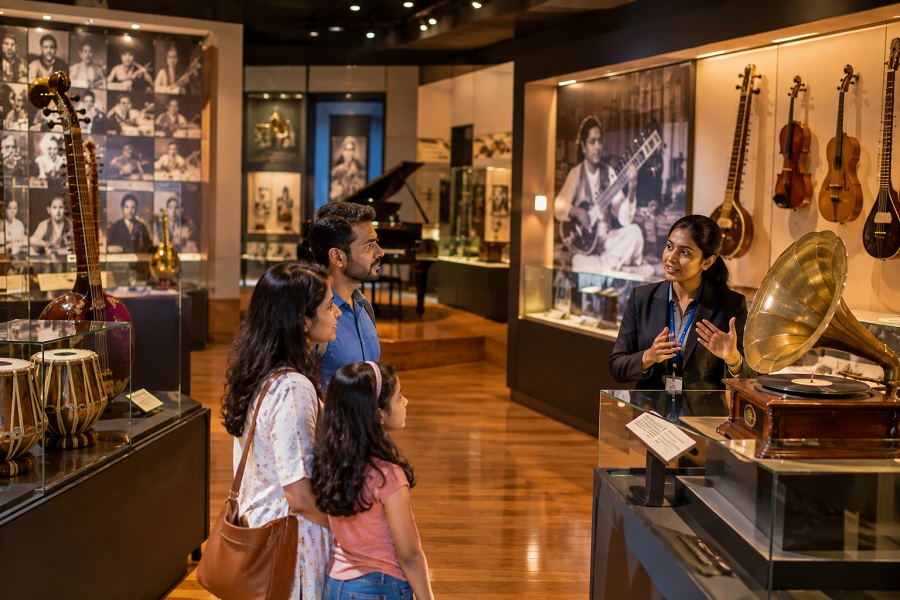
Cultural tourism involves visiting heritage sites, museums, festivals, traditional villages, and local markets to experience the customs and values of a destination. It goes beyond sightseeing, inviting travelers to engage with people, learn local crafts, taste authentic cuisine, and participate in age-old rituals.
Discovering History and Heritage
A key aspect of cultural tourism is exploring historical monuments, ancient ruins, and architectural marvels that tell stories of the past. From UNESCO World Heritage Sites to hidden gems, these places preserve the legacy of civilizations and offer insights into their art, religion, and social structures.
Festivals and Traditions
Cultural festivals are vibrant expressions of identity and community spirit. Whether it’s the colorful Holi in India, the lively Carnival in Brazil, or the solemn Dia de los Muertos in Mexico, participating in such events allows tourists to witness the essence of local culture firsthand.
Authentic Experiences
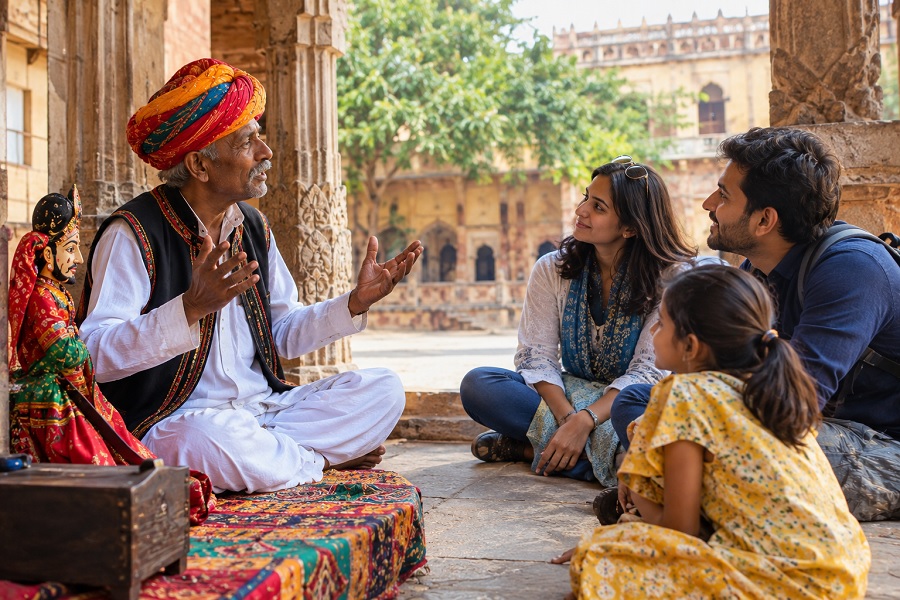
Engaging with local artisans, tasting traditional dishes, and staying in heritage accommodations enrich cultural travel. These authentic experiences foster mutual respect and create meaningful connections between visitors and hosts.
Benefits of Cultural Tourism
Cultural tourism supports the preservation of traditions and provides economic opportunities for local communities. It encourages sustainable tourism practices by promoting respect for cultural diversity and heritage conservation.
A Journey of Understanding
Ultimately, cultural tourism transforms travel into a learning experience that broadens horizons and deepens empathy. It invites travelers to celebrate diversity, honor history, and carry home stories that inspire lifelong appreciation for the world’s cultural wealth.