Cultural Tourism: Exploring Heritage, Traditions, and Timeless Stories

What Is Cultural Tourism?
Cultural tourism involves traveling to experience the heritage, customs, lifestyle, and artistic expressions of a place. This includes visits to historical landmarks, religious sites, festivals, traditional villages, local markets, art forms, music, dance, and regional cuisines. It helps travelers understand how the past shapes the present.
Why Cultural Tourism Matters
Cultural tourism plays a vital role in preserving heritage and promoting mutual respect among cultures. For travelers, it offers authenticity and depth. For local communities, it supports livelihoods, safeguards traditions, and encourages pride in cultural identity.
Key reasons behind its growing popularity include:
Desire for authentic and meaningful travel experiences
Interest in history, art, and local traditions
Responsible and sustainable tourism practices
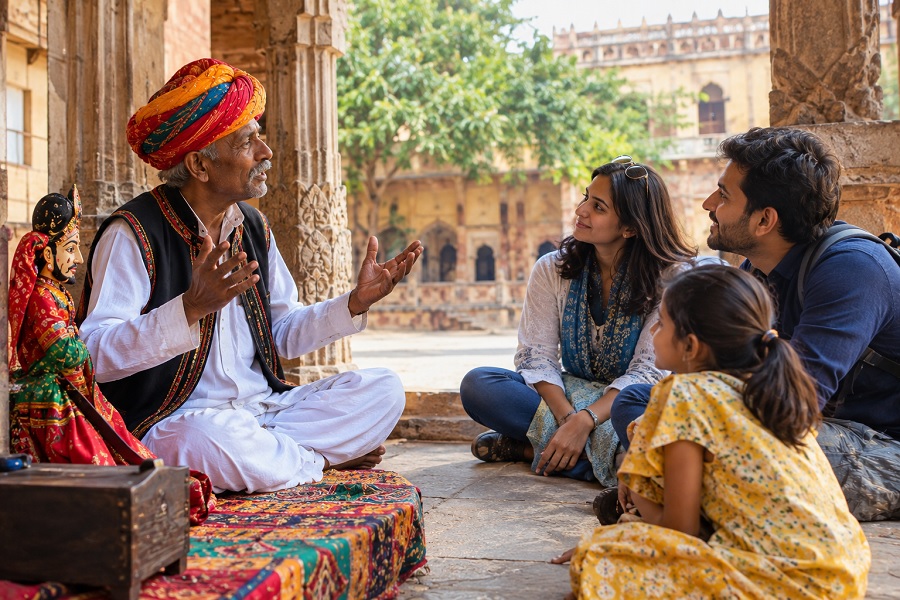
Learning through real-life cultural interactions
Popular Forms of Cultural Tourism
1. Heritage and Historical Tourism
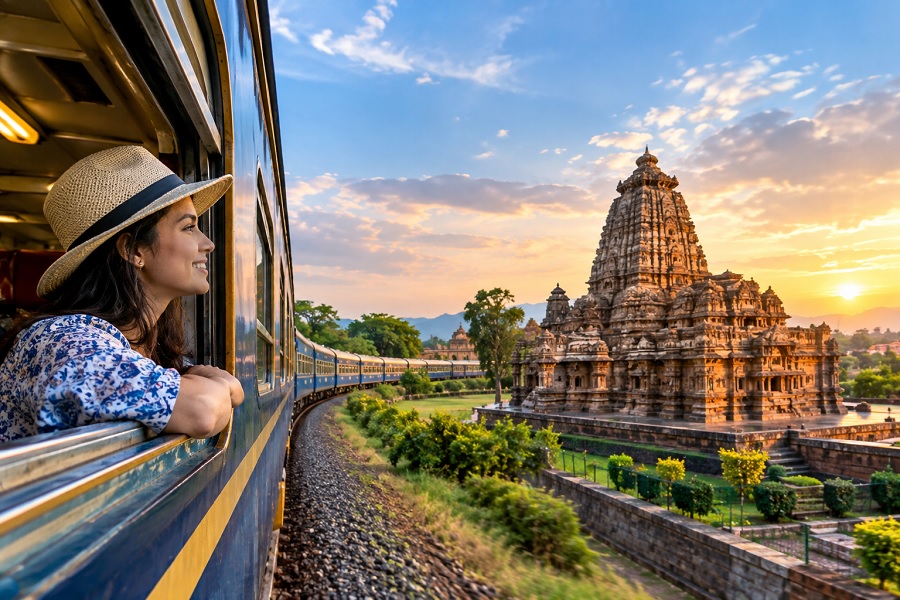
Exploring forts, palaces, temples, churches, mosques, archaeological sites, and UNESCO World Heritage Sites offers insight into ancient civilizations and architectural brilliance.
2. Religious and Spiritual Tourism
Pilgrimages and spiritual journeys to sacred destinations help travelers understand belief systems, rituals, and spiritual philosophies.
3. Festival and Event Tourism
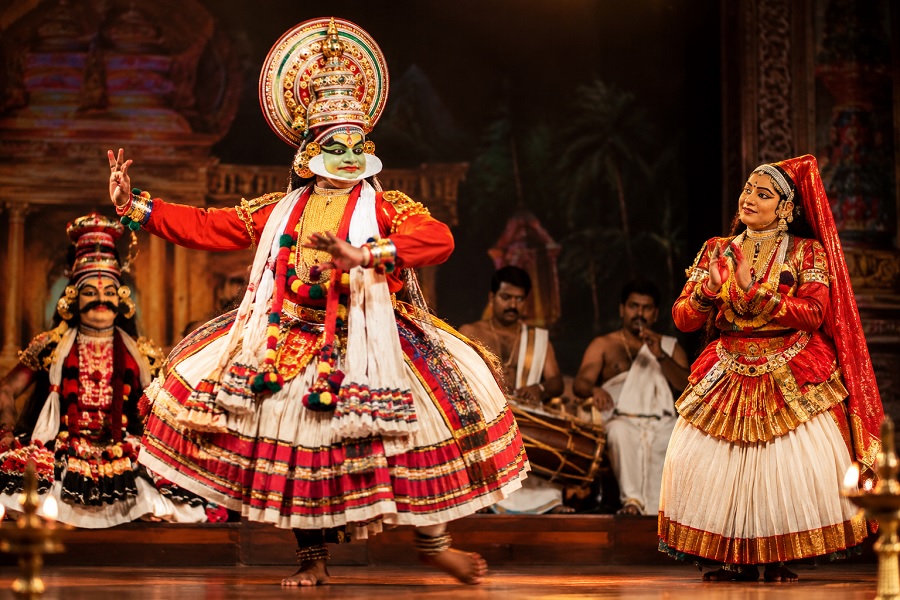
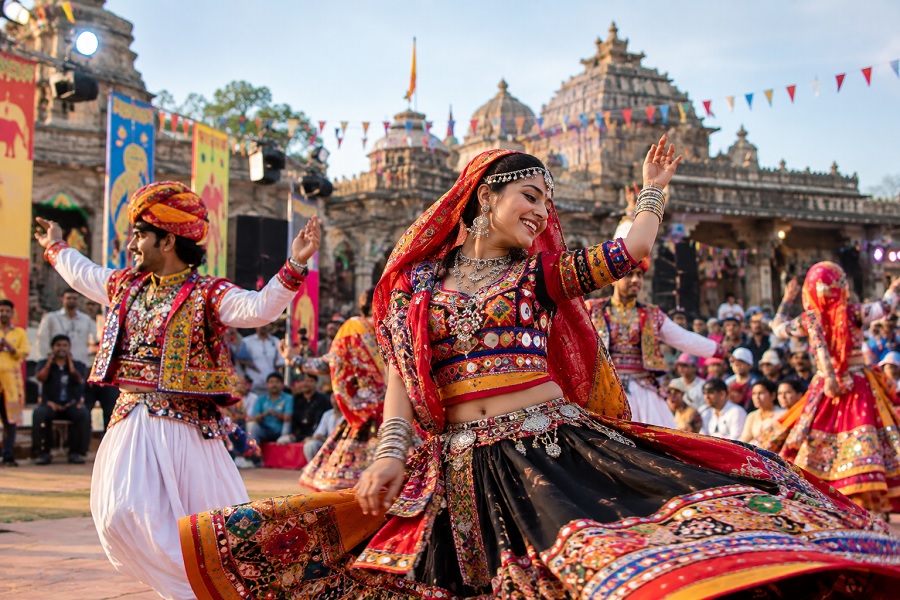
Local festivals, fairs, and cultural events showcase music, dance, costumes, and traditional celebrations, providing a vibrant glimpse into community life.
4. Art, Craft, and Culinary Tourism
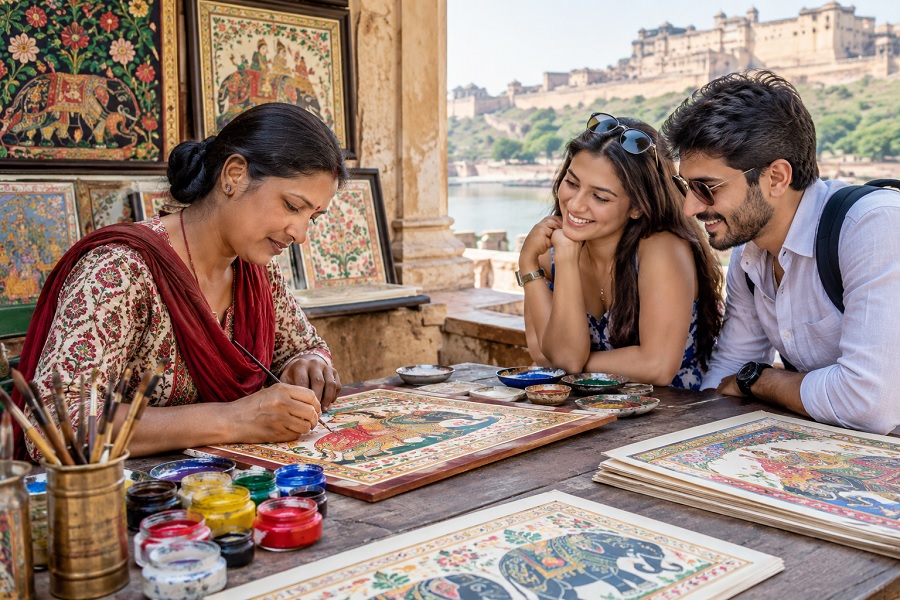
Handicrafts, folk art, regional cuisine, and cooking traditions reflect the creativity and heritage of a region, allowing travelers to experience culture through taste and craftsmanship.
Benefits of Cultural Tourism
Promotes cross-cultural understanding and tolerance
Preserves traditional art, architecture, and customs
Generates employment and supports local economies
Encourages sustainable and responsible travel
Offers educational and enriching experiences
Tips for Responsible Cultural Travel
Respect local customs, traditions, and dress codes
Support local artisans, guides, and businesses
Learn basic phrases of the local language
Avoid cultural exploitation and overcrowding
Be mindful while photographing people and sacred sites
Cultural Tourism in the Modern World
With digital storytelling, guided heritage walks, homestays, and community-based tourism, cultural tourism is becoming more interactive and inclusive. Travelers now seek deeper connections—listening to local stories, participating in workshops, and experiencing traditions firsthand rather than just observing them.
Conclusion
Cultural tourism is a journey through time, traditions, and human expression. It allows travelers to see the world not just as visitors, but as learners and respectful participants. By embracing cultural tourism, we help preserve heritage, celebrate diversity, and create meaningful travel experiences that leave lasting impressions on both travelers and destinations alike.