Cultural Tourism: Experiencing the Soul of a Destination
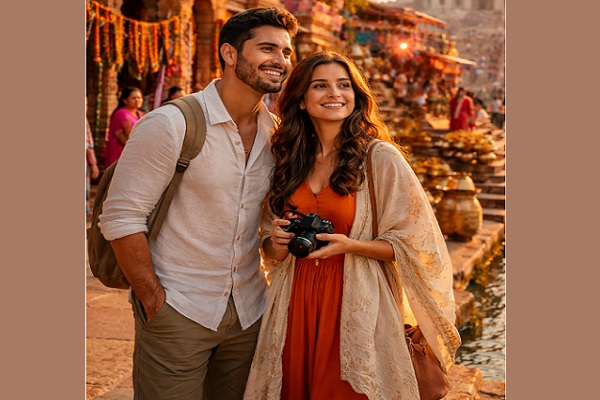
Cultural tourism is one of the most enriching forms of travel, allowing visitors to experience the traditions, heritage, art, cuisine, and everyday life of a destination. Beyond sightseeing, it focuses on understanding local communities, preserving heritage, and fostering meaningful cultural exchange.
What is Cultural Tourism?
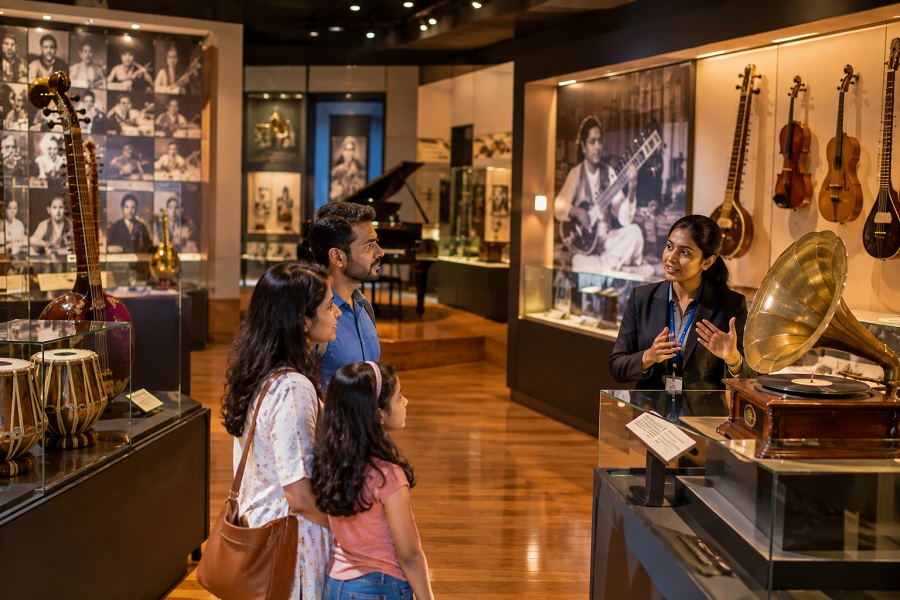
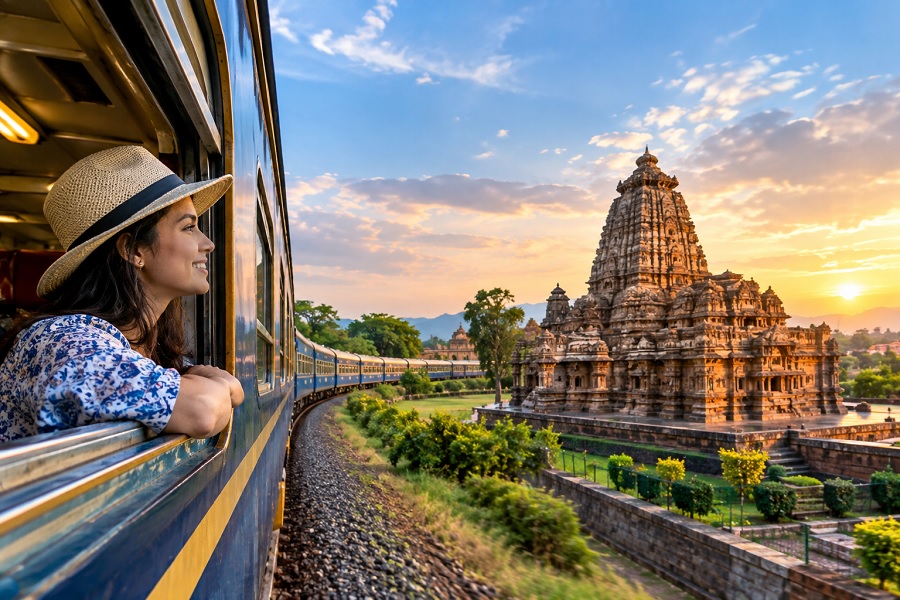
Cultural tourism involves travel motivated by the desire to explore a place’s history, customs, architecture, festivals, languages, and lifestyle. It includes visits to historical monuments, museums, heritage cities, spiritual sites, craft villages, cultural performances, and culinary trails.
Why Cultural Tourism Matters
Preserves heritage and traditions
Cultural tourism supports the conservation of historical sites, monuments, art forms, and indigenous traditions that might otherwise fade away.
Strengthens local economies
It creates employment for artisans, guides, performers, local businesses, and communities, ensuring tourism benefits reach grassroots levels.
Encourages responsible travel
Cultural travellers tend to value authenticity and sustainability, promoting respect for local customs and environments.
Builds global understanding
By interacting with diverse cultures, travellers gain broader perspectives and deeper appreciation of human diversity.
Popular Cultural Tourism Experiences
Exploring heritage cities like Rome, Kyoto, Varanasi, Jaipur, and Istanbul
Visiting UNESCO World Heritage Sites
Attending local festivals and rituals
Experiencing traditional cuisine and food trails
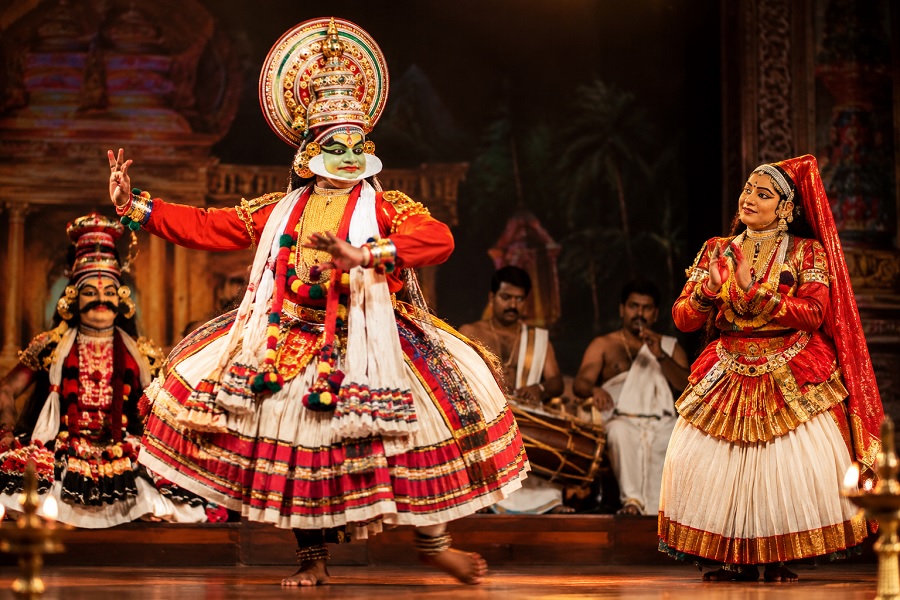
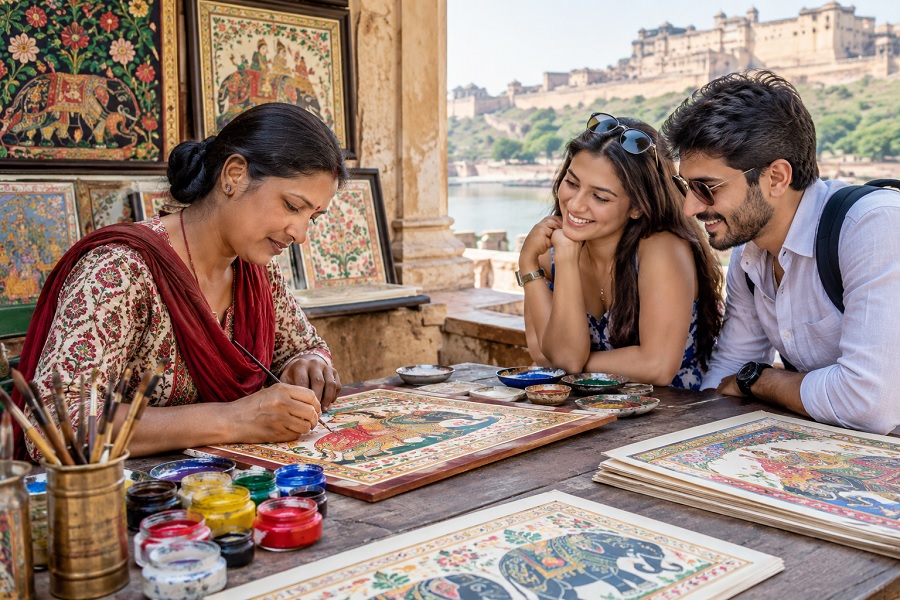
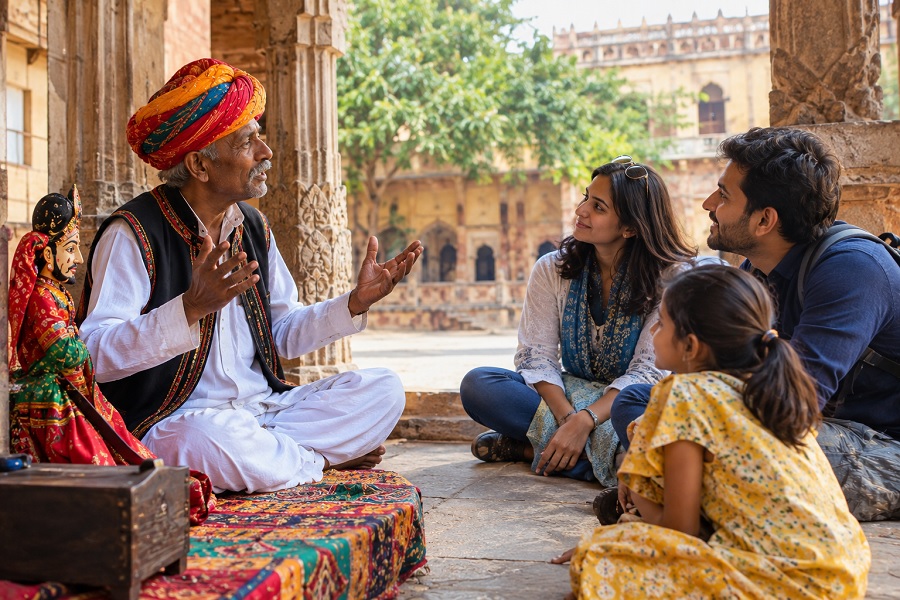
Learning crafts, music, dance, and folklore
Participating in village and community-based tourism
India’s Rich Cultural Tourism Landscape
India is a global cultural tourism powerhouse with its centuries-old civilisation, spiritual diversity, architectural marvels, and living traditions. From temple towns and Mughal monuments to tribal art, yoga retreats, and vibrant festivals, India offers immersive cultural experiences across regions.
The Future of Cultural Tourism
The future of cultural tourism lies in experiential, immersive, and sustainable travel. Digital storytelling, heritage walks, community-led experiences, and responsible tourism initiatives are shaping how travellers connect with culture while ensuring its preservation for future generations.
Conclusion
Cultural tourism goes beyond travel—it is a journey into the identity and soul of a destination. By celebrating traditions, respecting heritage, and engaging with local communities, cultural tourism creates meaningful experiences that enrich both travellers and host cultures alike.