Cultural Heritage Train Journeys: Exploring India’s Historic Railways and Rich Traditions
Cultural Heritage Train Journeys: Exploring History, Culture and Scenic Rail Travel
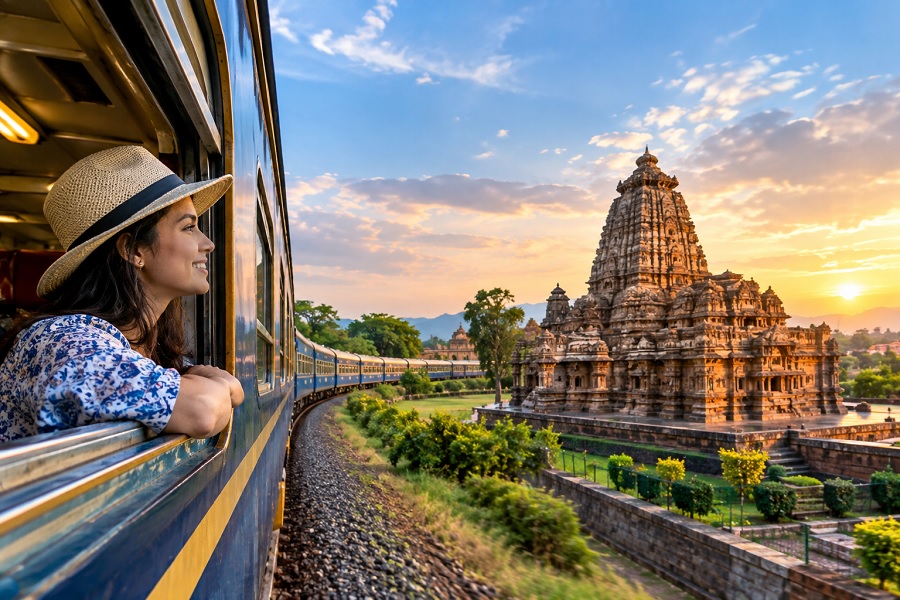
Cultural heritage train journeys offer travelers a unique way to discover history, architecture, landscapes, traditions and local communities while traveling by rail. Unlike ordinary train travel, heritage railway experiences make the journey itself part of the destination. Historic stations, vintage railway structures, traditional routes, mountain landscapes and local cultural experiences can transform a simple trip into a memorable cultural adventure.
India has a particularly rich railway heritage. The country's Mountain Railways of India include the Darjeeling Himalayan Railway, Nilgiri Mountain Railway and Kalka Shimla Railway. These three historic railways are recognized together as a UNESCO World Heritage property and continue to operate as living examples of historic railway engineering.
What Are Cultural Heritage Train Journeys?
Cultural heritage train journeys are travel experiences that combine railway travel with exploration of historical, architectural and cultural attractions. These journeys may involve heritage trains, historic railway lines, scenic mountain railways, luxury heritage trains or routes connected with important cultural destinations.
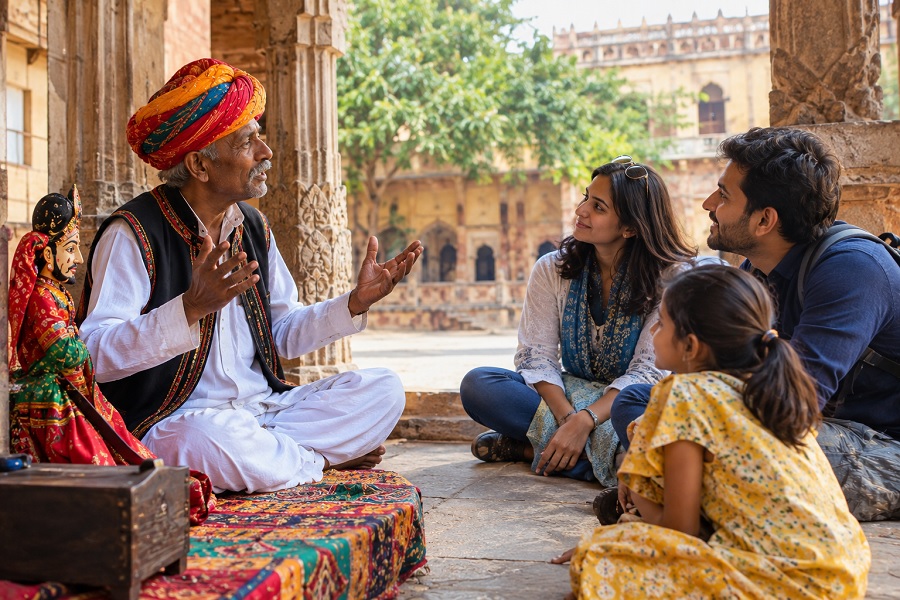
Travelers can experience more than just transportation. They can observe traditional communities, historic buildings, local cuisine, regional crafts, landscapes and cultural traditions along the route.
The main attraction is the combination of railway heritage and cultural discovery.
Why Are Heritage Train Journeys Popular?
Heritage train travel provides a slower and more immersive alternative to conventional transportation. Instead of simply reaching a destination, travelers get an opportunity to appreciate the route itself.
Some major reasons for choosing a cultural heritage train journey include:
Exploring historic railway infrastructure
Experiencing traditional train travel
Visiting heritage destinations
Enjoying scenic landscapes
Learning about railway history
Discovering regional cultures
Photographing historic stations and trains
Supporting heritage conservation
Enjoying local food and traditions
Creating memorable family and couple travel experiences
India's Mountain Railways Heritage
India's Mountain Railways are among the country's most significant railway heritage attractions. UNESCO describes the three railway lines as outstanding examples of engineering solutions developed for difficult mountainous terrain.
1. Darjeeling Himalayan Railway
The Darjeeling Himalayan Railway is one of India's best-known heritage railway experiences. It opened in 1881 and connects the Himalayan foothills with Darjeeling.
The railway is famous for its narrow-gauge track, mountain scenery, loops and zigzag sections. UNESCO records the route as approximately 88.48 kilometres long, passing through Ghoom at an elevation of around 2,258 metres.
A journey on this railway can combine mountain scenery with Darjeeling's tea culture, colonial-era architecture, local markets and Himalayan traditions.
2. Nilgiri Mountain Railway
The Nilgiri Mountain Railway in Tamil Nadu provides another distinctive heritage train experience. The railway was completed in 1908 and climbs through the Nilgiri Hills toward the hill station of Ooty.
UNESCO identifies the railway's historic engineering, mountain route and rack-and-pinion traction system as important elements of its heritage value. The line rises from approximately 326 metres to 2,203 metres.
Travelers can combine the train experience with visits to Ooty, Coonoor, tea plantations, botanical attractions and local cultural sites.
3. Kalka Shimla Railway
The Kalka Shimla Railway connects Kalka with Shimla through a scenic Himalayan route. UNESCO lists the railway at approximately 96.6 kilometres and recognizes it as one of the three components of the Mountain Railways of India World Heritage property.
The journey provides opportunities to experience mountain landscapes, historic railway stations, tunnels, bridges and the heritage atmosphere of Shimla.
Cultural Experiences Along Heritage Train Routes
A heritage train journey can become more meaningful when travelers explore the culture surrounding the railway route.
Local Food Experiences
Regional food is an important part of cultural tourism. Travelers can try local dishes, traditional snacks, sweets, tea and regional specialties during stops along the journey.
For example, visitors traveling through hill regions can explore local tea culture and regional cuisines while visiting nearby towns.
Traditional Arts and Crafts
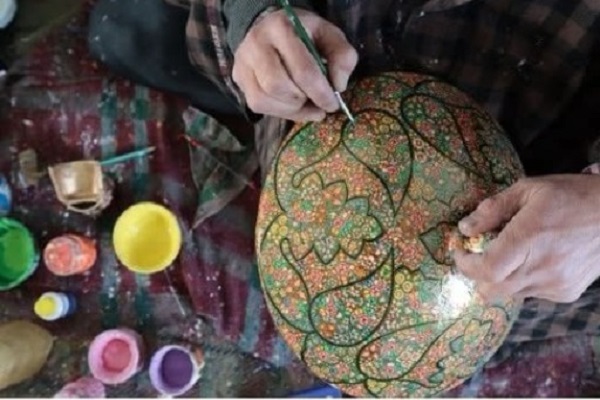
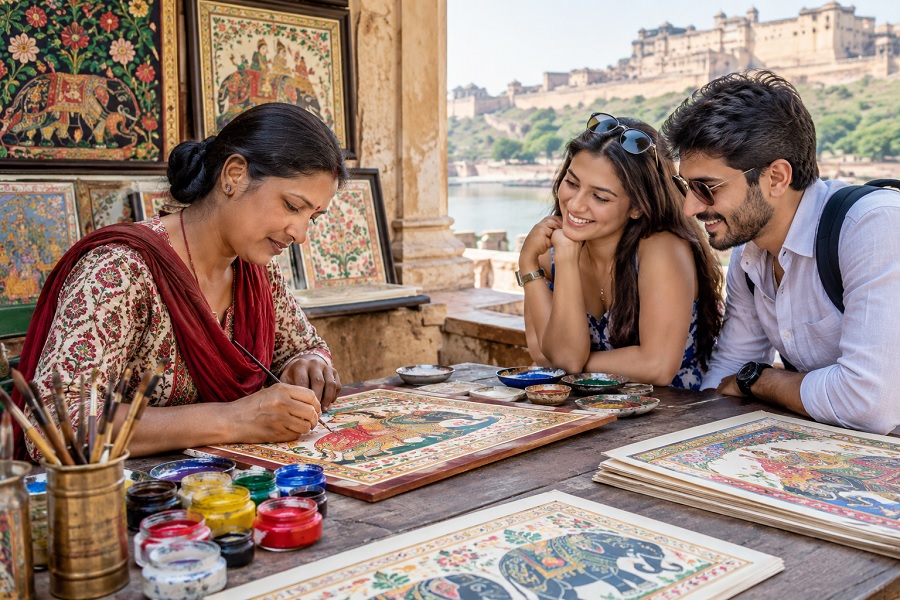
Many heritage destinations are connected with traditional handicrafts. Travelers can visit artisan workshops and local markets to discover textiles, pottery, woodwork, paintings, handmade products and other regional crafts.
Historic Architecture
Railway stations themselves can be important heritage attractions. Historic station buildings, bridges, tunnels, workshops and railway structures can provide insight into the development of transportation and architecture.
Local Festivals
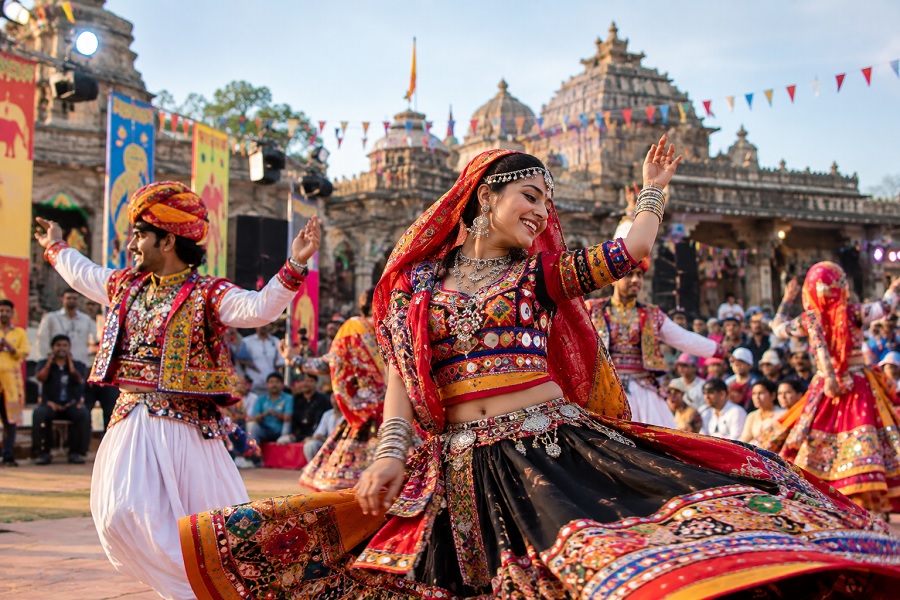
Planning a heritage railway journey around a regional festival can provide a deeper cultural experience. Travelers may encounter traditional music, dance, food, costumes, decorations and community celebrations.
Heritage Train Photography Tourism
Cultural heritage trains are excellent subjects for photography. Travelers can photograph historic locomotives, railway stations, bridges, mountain landscapes and traditional settlements.
Popular photography opportunities include:
Vintage locomotives
Railway station architecture
Mountain landscapes
Train curves and bridges
Historic railway signs
Local markets
Traditional communities
Tea plantations
Sunrise and sunset landscapes
Railway details and mechanical components
However, travelers should follow railway photography rules and avoid entering restricted areas or standing in unsafe locations.
Family Cultural Heritage Train Journeys
Heritage train journeys can be educational experiences for families. Children can learn about transportation history, engineering, geography, architecture and local culture while enjoying the journey.
Parents can make the trip more engaging by explaining how historic railways were constructed and why rail transportation was important to the development of mountain regions.
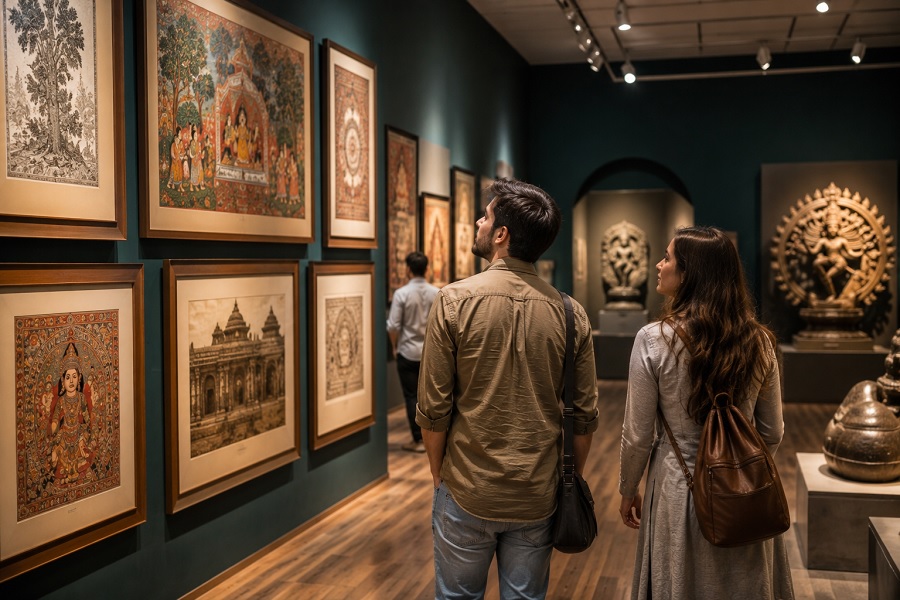
The journey can also be combined with museums, heritage walks, local food experiences and cultural attractions.
Couple Heritage Train Experiences
Couples can choose heritage railway journeys for a slower and scenic travel experience. Window-seat views, historic stations, mountain landscapes and local cultural activities can create memorable moments.
A couple's itinerary could include:
Heritage train journey
Historic station photography
Local lunch
Heritage walking tour
Visit to a cultural attraction
Sunset viewpoint
Local dinner
Overnight stay at a heritage property
Solo Cultural Train Travel
Solo travelers can also enjoy heritage train journeys as opportunities for cultural exploration. Traveling independently allows visitors to spend more time at museums, markets, heritage sites and local communities.
Solo travelers should plan train timings, accommodation, local transportation and weather conditions in advance, particularly on mountain routes.
Heritage Railway Museums
Railway museums can complement a cultural train journey by providing additional information about locomotives, railway technology and historical development.
Some heritage railway experiences also include museum or heritage attractions. For example, IRCTC Tourism lists heritage railway experiences connected with the Nilgiri Mountain Railway, Darjeeling Himalayan Railway and Kalka Shimla Railway, along with a rail heritage excursion associated with the Baba Bhalku Rail Heritage Museum in Shimla.
Cultural Heritage Train Itinerary
A simple three-day heritage train itinerary could be planned as follows:
Day 1: Arrival and Heritage Exploration
Arrive at the destination and explore the historic railway station and nearby heritage areas. Visit local markets and try regional food.
Day 2: Heritage Train Journey
Take the heritage railway journey and spend time enjoying the scenery, railway architecture and cultural landscapes along the route.
Day 3: Cultural Discovery
Visit museums, local craft markets, historic monuments and cultural attractions before returning home.
The exact itinerary should be adjusted according to the railway's operating schedule and seasonal conditions.
Best Time for Heritage Train Travel
The best travel period depends on the railway route and destination. Mountain regions can experience monsoon rainfall, landslides, winter weather and temporary operational changes.
Travelers should check official railway information before departure, especially during periods of extreme weather.
For UNESCO-listed mountain railways, it is important to remember that these are functioning railway systems rather than static museums. UNESCO notes that their continued operation is an important part of their heritage significance.
Sustainable Cultural Tourism
Heritage railway tourism can contribute to sustainable cultural tourism when travelers respect local communities, heritage structures and natural environments.
Responsible travelers should:
Avoid littering
Follow railway safety rules
Respect local traditions
Avoid damaging heritage structures
Purchase authentic local products
Support local businesses
Use public transportation where practical
Avoid disturbing local communities
Follow photography restrictions
Keep natural areas clean
Heritage conservation is especially important because working railway lines require continuous maintenance. UNESCO's documentation highlights ongoing conservation and maintenance challenges associated with keeping these historic railways operational.
How to Plan a Cultural Heritage Train Journey
Before booking a heritage train experience, travelers should consider:
1. Select the Railway Route
Choose a route based on your interests, such as mountain scenery, history, architecture, photography or local culture.
2. Check Train Availability
Heritage railway services can operate according to specific schedules. Check official railway information before making travel plans.
3. Plan Accommodation
Choose accommodation near railway stations or cultural attractions to reduce unnecessary travel time.
4. Research Local Culture
Learn about local customs, food, festivals and traditional practices before visiting.
5. Check Weather Conditions
Mountain routes can be affected by rainfall, landslides, fog or winter weather.
6. Keep Travel Documents Ready
Carry valid identification and booking details where required.
7. Pack Comfortably
Carry comfortable clothing, walking shoes, medicines if needed, a water bottle and basic travel essentials.
Why Cultural Heritage Train Journeys Matter
Heritage railways represent more than transportation history. They can tell stories about engineering, communities, economic development, architecture and changing travel patterns.
UNESCO describes India's Mountain Railways as living examples of railway engineering from the late 19th and early 20th centuries. Their continued operation allows travelers to experience heritage in an active environment rather than simply viewing historical objects in a museum.
Future of Cultural Heritage Train Tourism
The future of cultural heritage train tourism can include a combination of traditional experiences and modern travel technology. Digital guides, online ticketing, heritage interpretation, virtual tours and improved visitor information can make railway heritage easier to explore.
At the same time, conservation should remain an important consideration. Modern improvements need to respect the historical character of heritage railway infrastructure while maintaining passenger safety and operational requirements.
Conclusion
Cultural Heritage Train Journeys provide a distinctive way to explore India's history, landscapes and local cultures. From the Darjeeling Himalayan Railway to the Nilgiri Mountain Railway and Kalka Shimla Railway, India's heritage railways connect travelers with historic engineering and beautiful mountain environments.
A well-planned heritage train journey can combine railway history, cultural exploration, local cuisine, photography, traditional crafts and scenic travel. For families, couples, solo travelers and photography enthusiasts, these journeys can offer a memorable alternative to conventional sightseeing.
Most importantly, responsible cultural tourism helps travelers appreciate heritage while respecting the communities, landscapes and historic structures that make these railway experiences special.