Cultural Fashion Tourism
Cultural Fashion Tourism
Cultural Fashion Tourism is becoming one of the fastest-growing travel trends in the world. It combines traditional fashion, local culture, heritage, and travel experiences into a unique journey for tourists. Travelers today are not only visiting destinations for sightseeing but also exploring traditional clothing, textile art, handmade accessories, and cultural fashion festivals that reflect the identity of local communities.
From colorful Indian sarees and Japanese kimonos to African tribal prints and Middle Eastern embroidery, cultural fashion tourism allows visitors to experience the beauty of global traditions through fashion. It creates a strong connection between travelers and local cultures while supporting artisans and preserving traditional craftsmanship.
What is Cultural Fashion Tourism?
Cultural Fashion Tourism refers to travel experiences focused on discovering traditional clothing styles, local fashion heritage, textile industries, cultural fashion shows, and artisan communities. Tourists participate in fashion festivals, visit textile villages, shop for handmade garments, and learn about the history behind cultural clothing.
This form of tourism helps preserve ancient traditions while promoting sustainable and ethical fashion around the world.
Importance of Cultural Fashion Tourism
Cultural fashion tourism plays an important role in preserving traditional art forms and supporting local economies. Many small artisan communities depend on tourism for income. When travelers purchase handmade clothing or accessories, they directly support local craftsmen and women.
It also promotes cultural exchange by helping tourists understand the traditions, lifestyles, and artistic heritage of different regions.
Popular Cultural Fashion Tourism Destinations
India
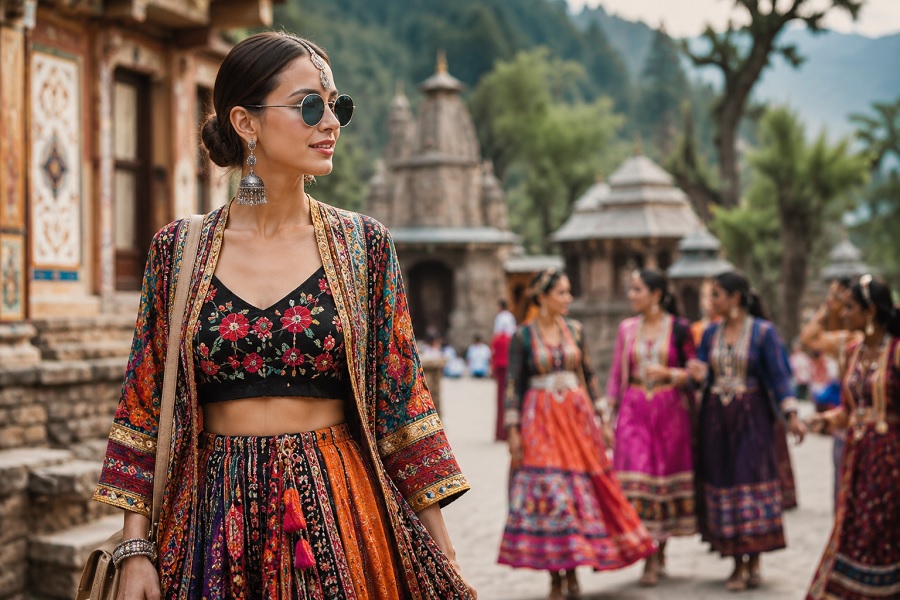
India is famous for its diverse traditional fashion, including sarees, lehengas, handloom fabrics, embroidery, and royal textile traditions. Cities like Jaipur, Varanasi, Kolkata, and Kanchipuram are major cultural fashion tourism destinations.
Japan
Japan attracts tourists with traditional kimonos, silk craftsmanship, and cultural dressing experiences in historic cities like Kyoto.
Morocco
Morocco is known for colorful kaftans, leather craftsmanship, traditional markets, and handmade textile products.
Italy
Italy combines luxury fashion with cultural heritage. Visitors explore traditional tailoring, leather industries, and fashion museums.
Africa
African countries offer vibrant tribal prints, handmade jewelry, beadwork, and cultural fashion festivals that attract global travelers.
Activities in Cultural Fashion Tourism
Travelers enjoy many unique experiences, such as:
Visiting traditional textile villages
Attending fashion and cultural festivals
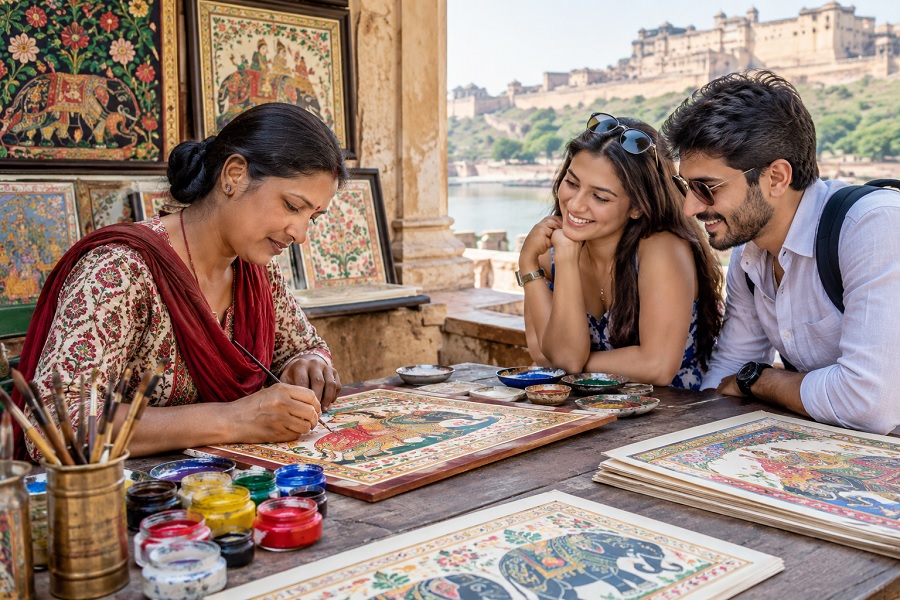
Learning local embroidery and weaving techniques
Shopping for handmade clothing and accessories
Participating in cultural dress photography sessions
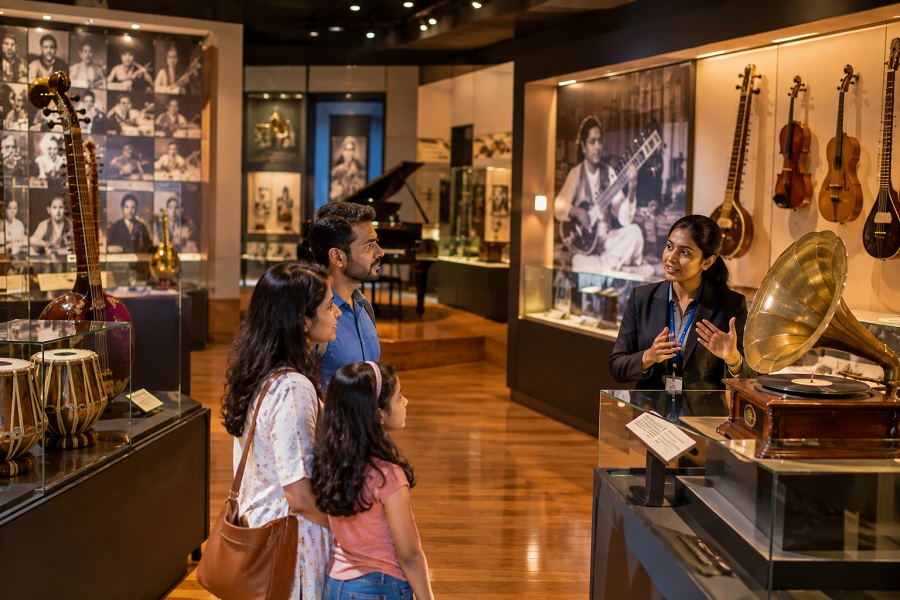
Exploring heritage fashion museums
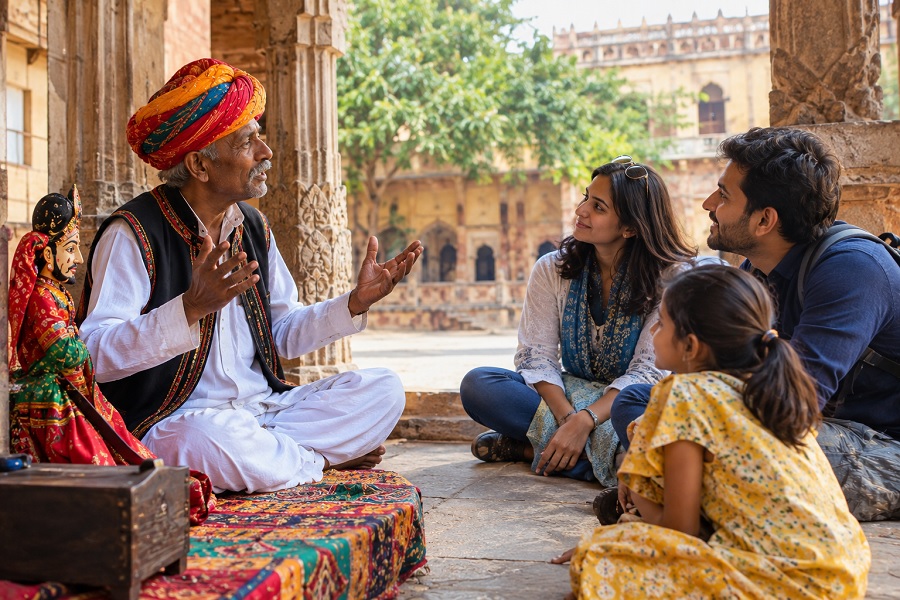
Watching traditional fashion performances
Meeting local artisans and designers
Benefits of Cultural Fashion Tourism
Supports Local Communities
Tourism generates employment opportunities for weavers, designers, artists, and local shop owners.
Preserves Traditional Craftsmanship
Ancient weaving, dyeing, embroidery, and tailoring techniques remain alive through tourism demand.
Encourages Sustainable Fashion
Handmade and traditional fashion products often use eco-friendly materials and ethical production methods.
Promotes Cultural Awareness
Travelers gain a deeper understanding of local traditions and cultural identity through fashion.
Future of Cultural Fashion Tourism
The future of cultural fashion tourism looks bright as travelers seek authentic and meaningful experiences. Social media, fashion influencers, and cultural festivals are increasing global interest in traditional fashion tourism. Sustainable travel and ethical shopping trends are also encouraging tourists to support handmade cultural products instead of mass-produced fashion.
Many countries are now organizing international textile festivals, heritage fashion exhibitions, and artisan tourism programs to attract visitors from around the world.
Conclusion
Cultural Fashion Tourism beautifully connects travel, art, heritage, and fashion. It allows tourists to explore the traditions of different cultures through clothing, craftsmanship, and local creativity. From colorful markets to traditional weaving villages, cultural fashion tourism offers unforgettable experiences while supporting artisans and preserving cultural identity for future generations.