Best Seasonal Fishing Experiences for Adventure Travelers
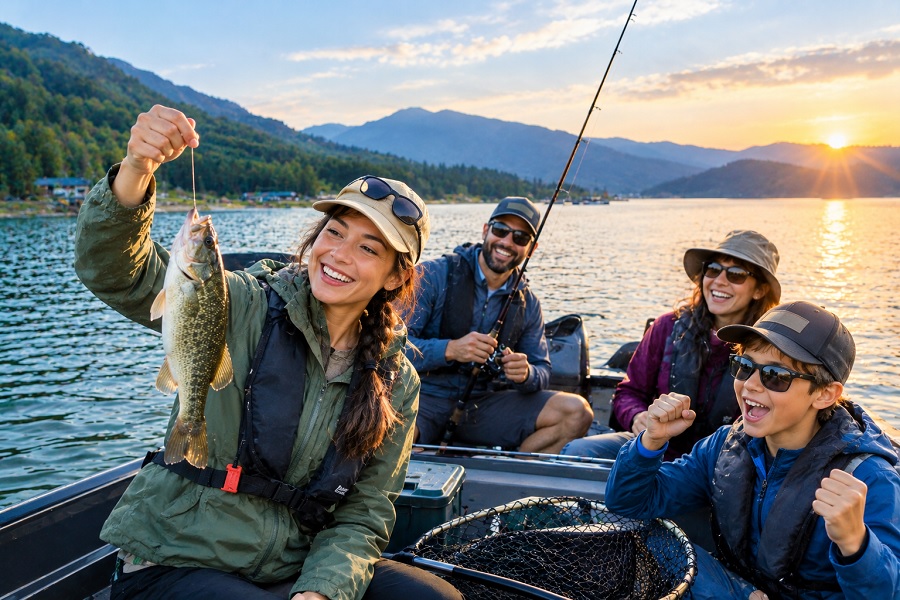
Seasonal Fishing Adventure Tourism
Seasonal Fishing Adventure Tourism is becoming an appealing form of nature-based travel for visitors who want to combine outdoor recreation, local culture and the excitement of fishing with scenic destinations. Unlike conventional sightseeing, fishing trips are strongly connected to seasons, weather, water conditions and fish behavior. This makes every trip different and gives travelers a reason to explore destinations at particular times of the year.
From mountain rivers and freshwater lakes to coastal waters and island destinations, seasonal fishing tourism can offer experiences for beginners, families, solo travelers and experienced anglers. At the same time, responsible management is important because tourism and fishing can place pressure on aquatic ecosystems if visitor demand is not carefully managed. Recent research highlights the importance of linking tourism with fisheries management, local livelihoods and conservation.
What Is Seasonal Fishing Adventure Tourism?
Seasonal Fishing Adventure Tourism involves traveling to a destination during a particular period when fishing conditions, target species, weather and local activities are especially suitable.
A seasonal fishing trip may include:
Recreational angling
Sport fishing
Catch-and-release fishing
Boat fishing
River fishing
Lake fishing
Coastal fishing
Fly fishing
Ice fishing
Fishing photography
Local seafood and culinary experiences
Fishing-community cultural tours
The experience is not only about catching fish. Travelers can also enjoy landscapes, wildlife, local traditions and outdoor adventure.
Why Seasonal Fishing Is Becoming Popular
Fishing tourism combines recreation with nature exploration. The seasonal element makes the experience more distinctive because different locations can offer different fishing opportunities throughout the year.
Recent research on fishing tourism has also emphasized environmentally responsible behavior, including reducing resource consumption and improving recycling practices at fishing destinations.
For travelers, this creates opportunities to enjoy fishing while learning about aquatic ecosystems and local communities.
Best Seasonal Fishing Experiences
Spring Fishing Adventures
Spring can be an attractive period for freshwater fishing in destinations where rivers and lakes become more accessible after winter.
Travelers can combine fishing with:
Forest walks
Mountain photography
Camping
Birdwatching
Wildlife observation
Riverside picnics
Spring fishing holidays can be particularly appealing to travelers looking for peaceful outdoor experiences.
Summer Fishing Holidays
Summer opens opportunities for lake, river and coastal fishing in many destinations.
Popular experiences can include:
Deep-sea fishing
Boat fishing
Island fishing trips
Fly fishing
Kayak fishing
Family fishing excursions
Sunrise fishing tours
Coastal destinations can combine fishing with beaches, water sports and seafood experiences.
Monsoon and Rainy-Season Fishing
Rainfall can dramatically change river and lake conditions. In some destinations, seasonal water movement can influence fish behavior and fishing opportunities.
However, travelers should always follow local safety guidance because heavy rainfall, flooding, strong currents and storms can create dangerous conditions.
Autumn Fishing Adventures
Autumn can provide attractive fishing conditions in many temperate destinations. Cooler temperatures can make long outdoor excursions more comfortable.
Travelers can combine fishing with:
Mountain landscapes
Autumn foliage photography
Camping
Hiking
Wildlife watching
Local food experiences
Winter Fishing Adventures
Winter fishing creates some of the most distinctive tourism experiences.
Depending on the destination, travelers can experience:
Ice fishing
Cold-water fishing
Winter river fishing
Snow-covered lakes
Cabin stays
Winter photography
Northern outdoor adventures
Ice fishing should only be undertaken where local authorities or experienced operators confirm that ice conditions are safe.
Fishing and Local Communities
One of the most valuable aspects of fishing tourism is its connection with local communities.
Small-scale fishing communities can benefit from tourism through guiding, boat services, accommodation, food, equipment rental and cultural experiences. Research on coastal tourism and fisheries shows that tourism can support livelihoods when it is properly connected with local communities and effective resource management.
In India, recreational angling has also been discussed as a potential conservation-linked tourism activity. Research on the Western Ramganga highlights how angling, wildlife and cultural tourism can create economic incentives for local communities to protect river ecosystems.
Catch-and-Release Fishing
Catch-and-release fishing can be an important part of responsible recreational angling, particularly where local rules and conservation programs support it.
The basic principle is to return eligible fish to the water rather than keeping every catch. Anglers should follow destination-specific regulations, use appropriate equipment and handle fish carefully.
Research on Indian recreational anglers has found support for stronger catch-and-release guidelines, conservation awareness and controls on illegal fishing practices.
Sustainable Fishing Tourism
Sustainability should be at the center of seasonal fishing tourism.
Responsible travelers should:
Follow local fishing regulations.
Respect seasonal closures.
Follow size and catch limits.
Avoid protected species.
Use licensed guides where required.
Avoid littering.
Reduce plastic waste.
Respect breeding areas.
Follow catch-and-release rules where applicable.
Support local businesses and communities.
Recent research shows that the relationship between tourism and fisheries is complex. Tourism can reduce fishing pressure in some circumstances, but it can also increase pressure on fish populations and ecosystems when demand is poorly managed.
Technology in Fishing Adventure Tourism
Technology is also changing fishing experiences.
Modern fishing tourism can incorporate:
GPS navigation
Digital maps
Weather applications
Fish-finding equipment
Satellite-based information
Digital booking systems
Online fishing permits
Underwater cameras
Digital photography
Electronic safety equipment
Recent research in India has examined satellite-based fishing advisories that can help identify productive fishing areas, potentially reducing search time and fuel consumption for fishing activities.
For tourists, technology can make fishing trips more organized, informative and safer when used responsibly.
Family-Friendly Fishing Adventures
Fishing tourism is not limited to experienced anglers.
Family-friendly fishing trips can introduce children to:
Aquatic ecosystems
Local wildlife
Outdoor recreation
Environmental conservation
Basic fishing skills
Local food traditions
Short fishing sessions, guided lake trips and easy-access rivers can be more suitable for families than demanding offshore or remote expeditions.
Fishing Tourism for Couples
Couples can combine fishing with a broader nature holiday.
A seasonal fishing itinerary could include:
Morning: Sunrise fishing
Afternoon: Local sightseeing or hiking
Evening: Riverside dinner or resort stay
This combination allows couples to enjoy adventure without making the entire trip focused exclusively on fishing.
Fishing Tourism for Solo Travelers
Solo travelers can choose guided fishing trips that provide both adventure and opportunities to meet local guides and fellow travelers.
Solo fishing tourism can include:
Fly-fishing retreats
Remote river adventures
Fishing camps
Kayak fishing
Photography-focused fishing trips
Wilderness fishing holidays
For remote locations, professional guides and reliable communication equipment can significantly improve safety.
Fishing Photography Experiences
Fishing tourism also offers excellent opportunities for outdoor photography.
Travelers can photograph:
Sunrise over rivers
Mountain lakes
Fishing boats
Local fishing communities
Wildlife
Traditional fishing techniques
Landscapes
Fishing equipment
Catch-and-release moments
Photography can become an important part of the travel experience even when the fishing itself is unsuccessful.
Food and Fishing Tourism
Fishing destinations can also connect adventure tourism with culinary tourism.
Visitors may experience:
Local seafood dishes
Traditional fishing-community cuisine
Coastal food markets
Freshwater fish recipes
Local cooking demonstrations
Seafood festivals
Traditional fishing villages
However, sustainable seafood choices are important. Tourism should not create additional demand for threatened or overexploited species.
India's Potential for Seasonal Fishing Tourism
India has diverse rivers, lakes, reservoirs, coastlines and mountain environments that create opportunities for different types of recreational fishing.
The Himalayas offer river and mountain angling experiences, while coastal regions provide opportunities for marine and sport-fishing activities. Research on India's west coast has documented strong seasonal variation in fishing activity and fishing hotspots, reinforcing the importance of understanding local seasonal patterns.
Destinations associated with recreational angling can potentially combine fishing with wildlife, adventure, cultural and nature tourism.
Safety Tips for Fishing Adventure Tourism
Safety should always come before the fishing experience.
Travelers should:
Check weather conditions before departure.
Use life jackets during boat trips.
Hire qualified local guides when appropriate.
Avoid unfamiliar waters without guidance.
Follow local boating regulations.
Carry drinking water and basic first-aid supplies.
Protect themselves from sun exposure.
Use appropriate footwear.
Keep communication equipment charged.
Follow local warnings about floods, storms and strong currents.
Seasonal weather can change quickly, so travelers should choose licensed operators and follow local authorities' instructions.
Future of Seasonal Fishing Adventure Tourism
The future of fishing tourism is likely to place greater emphasis on sustainability, local participation, technology and conservation.
Emerging trends include:
Conservation-focused fishing trips
Catch-and-release tourism
Digital fishing permits
Technology-assisted trip planning
Local fishing-community experiences
Eco-friendly fishing equipment
Low-impact boat tours
Fishing and wildlife combinations
Fishing photography holidays
Sustainable seafood tourism
As tourism policies increasingly focus on resilience, environmental protection and balanced economic benefits, fishing destinations will need to manage visitor numbers and fishing pressure carefully.
Conclusion
Seasonal Fishing Adventure Tourism offers travelers a unique way to experience rivers, lakes, oceans and fishing communities while enjoying outdoor adventure. Its greatest appeal comes from the changing nature of the experience. A spring river trip, summer coastal excursion, autumn lake adventure or winter ice-fishing holiday can each offer something completely different.
The long-term success of fishing tourism, however, depends on responsible practices. Protecting fish populations, respecting seasonal restrictions, supporting local communities and minimizing environmental impacts can help ensure that fishing destinations remain attractive for future generations.
With the right balance between adventure, conservation, technology, local culture and sustainable tourism, seasonal fishing can become much more than a recreational activity. It can be a meaningful nature-based travel experience.