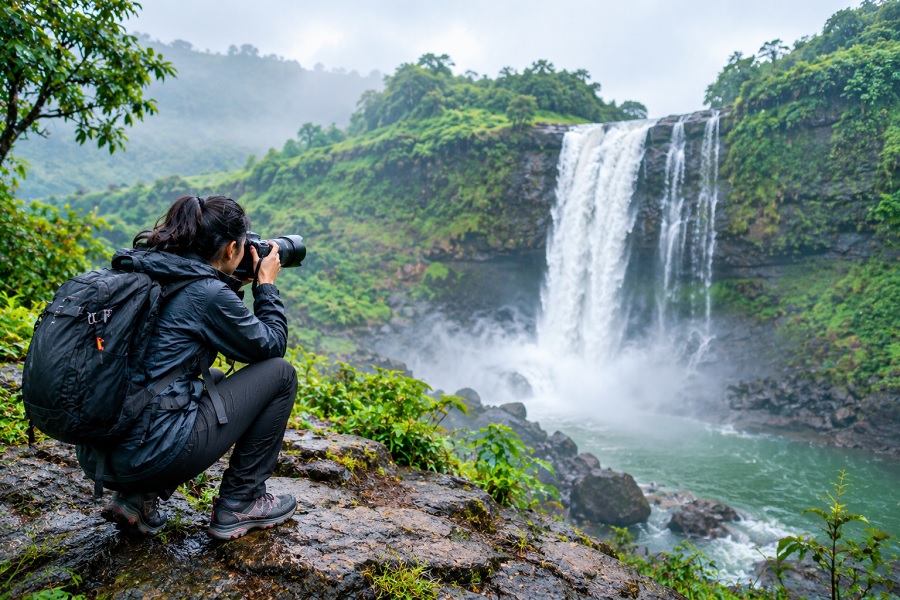
Best Spring Forest Photography Trips for Nature Lovers

Spring Forest Photography Trips
Introduction
Spring Forest Photography Trips are a wonderful way to combine outdoor adventure, nature exploration, camping, and photography. During spring, forests can offer fresh green foliage, colorful wildflowers, pleasant weather, morning mist, streams, birds, insects, and beautiful natural light. These seasonal changes create excellent opportunities for photographers to capture landscapes, wildlife, flowers, camping moments, and candid travel experiences.
Photography-focused outdoor trips are increasingly designed around learning how to work with natural light, composition, landscapes, and storytelling rather than simply visiting a destination. Photography camps and guided experiences in India commonly combine overnight stays, nature exploration, early-morning shoots, and practical photography guidance.
What Are Spring Forest Photography Trips?
Spring Forest Photography Trips are organized or self-planned journeys into forest and woodland destinations during the spring season. Travelers usually spend several hours or a few days exploring natural surroundings while photographing the changing landscape.
A typical trip may include:
Forest landscape photography
Wildflower photography
Bird and wildlife photography
Sunrise and sunset photography
Camping and outdoor photography
Macro photography of plants and insects
Nature portraits
Waterfall and stream photography
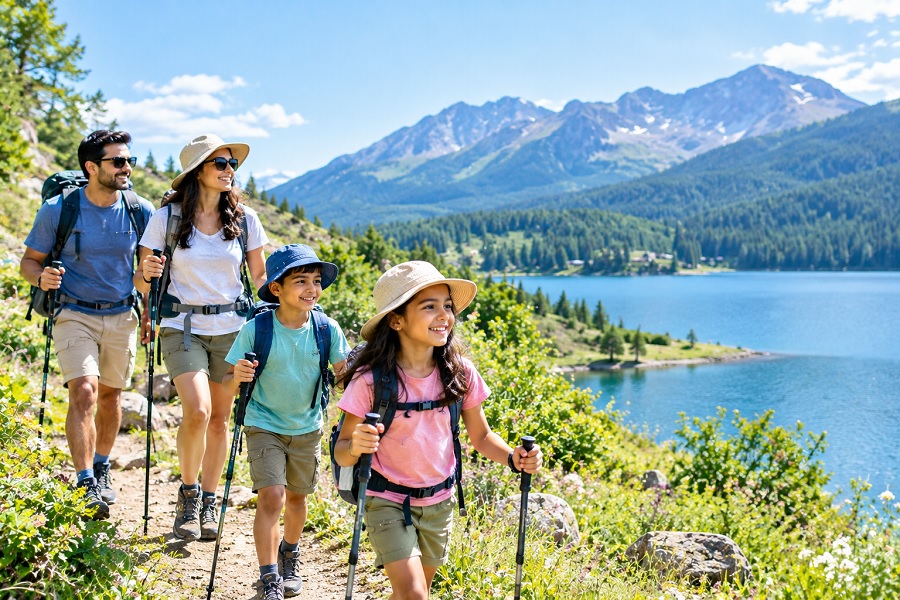
Hiking and nature walks
Night-sky photography where conditions permit
The combination of camping and photography makes these trips particularly appealing to friends, families, travel photographers, bloggers, and beginners who want to improve their skills while spending time outdoors.
Why Spring Is Excellent for Forest Photography
Spring brings noticeable changes to many forest environments. Fresh leaves, flowering plants, changing light, and active wildlife can provide photographers with a variety of subjects.
1. Fresh Green Landscapes
New foliage can create vibrant forest scenes. Wide-angle photographs can capture tree-covered trails, valleys, hillsides, and open clearings.
2. Colorful Wildflowers
Wildflowers provide excellent subjects for close-up and macro photography. Photographers can experiment with different perspectives, backgrounds, and depth of field.
3. Beautiful Morning Light
Early morning is often one of the best times to photograph forests. Soft light can create shadows between trees and highlight leaves, flowers, and mist.
4. Wildlife and Birds
Forests can provide opportunities to photograph birds, insects, and other wildlife. Responsible photography should always maintain a safe distance and avoid disturbing animals.
5. Natural Camping Scenes
Tents, backpacks, hiking equipment, forest trails, and friends enjoying the outdoors can add a strong storytelling element to travel photographs.
Best Photography Ideas for a Spring Forest Trip
A successful photography trip does not require photographing only large landscapes. Small details can tell equally interesting stories.
Forest Trails: Photograph winding trails surrounded by fresh greenery.
Wildflowers: Use close-up compositions to capture petals, colors, and natural textures.
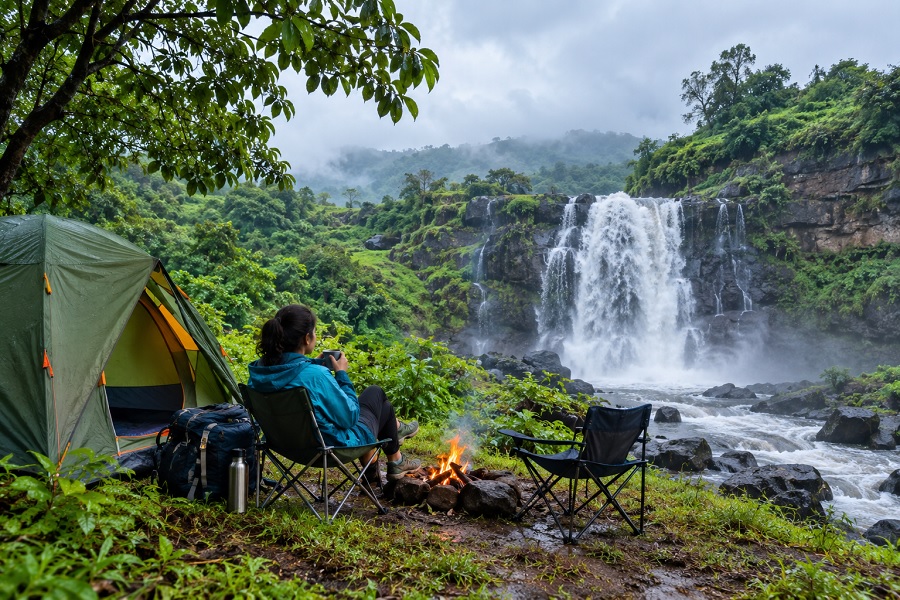
Camping: Photograph tents surrounded by trees, friends preparing for a hike, or people photographing nature.
Sunrise: Look for soft golden light filtering through trees.
Water: Streams, small waterfalls, and reflections can create interesting compositions.
Macro Subjects: Photograph leaves, flowers, insects, bark, moss, and other small details.
Wildlife: Use appropriate distance and avoid disturbing animals or nesting areas.
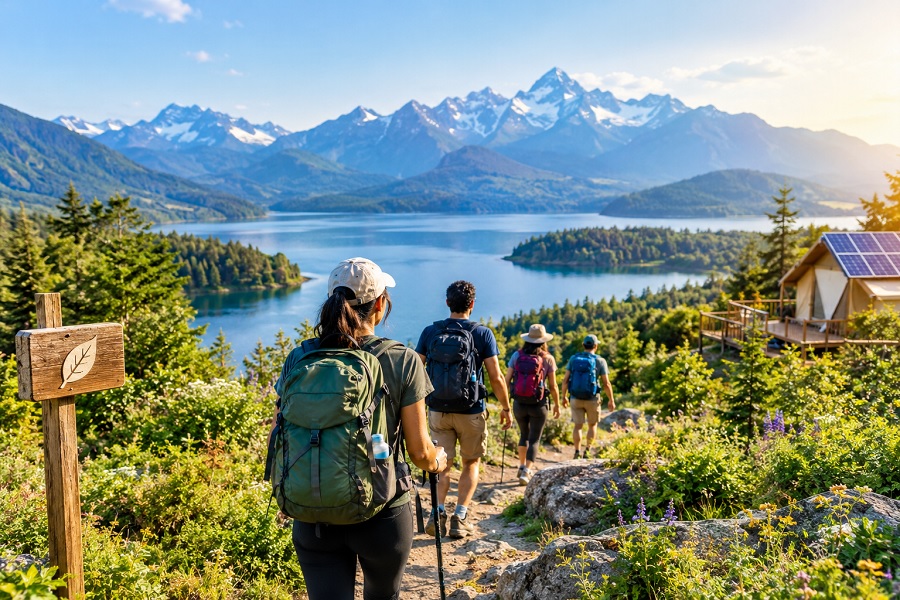
People in Nature: Include people walking through a forest to show scale and create a travel-story feeling.
Photography camps commonly encourage participants to work with composition, light, camera controls, and storytelling in natural environments.
Essential Photography Equipment
A spring forest photography trip can be enjoyed with either a smartphone or a dedicated camera.
For camera users, useful equipment includes:
DSLR or mirrorless camera
Wide-angle lens
Standard or telephoto zoom lens
Macro lens, if available
Lightweight tripod
Extra batteries
Extra memory cards
Camera rain cover
Lens cleaning cloth
Camera backpack
Polarizing filter, where appropriate
Extra batteries and memory cards are particularly useful on longer outdoor photography days. Photography expedition guides also commonly recommend rain protection and basic field supplies.
Camping Essentials
Because many photography trips begin early or continue until sunset, comfortable camping equipment can make the experience much easier.
Important items may include:
Comfortable tent
Sleeping bag
Headlamp or flashlight
Water bottle
Comfortable trekking shoes
Lightweight clothing
Sun protection
Insect repellent
Basic first-aid supplies
Power bank
Weather protection
A good backpack should keep photography equipment protected while leaving enough space for personal camping essentials.
Planning a Spring Forest Photography Trip
Before leaving, check the destination's weather, accessibility, camping rules, photography restrictions, and local regulations. If the trip involves a protected forest or wildlife area, follow the instructions of forest officials and guides.
Planning the route around sunrise and sunset can help photographers make better use of natural light. A simple itinerary could include an early morning forest walk, breakfast at the campsite, a daytime nature exploration session, afternoon photography, sunset shooting, and an optional night photography session.
Photography Tips for Better Spring Forest Images
Use Natural Light
Avoid relying on harsh midday sunlight when possible. Early morning and late afternoon often provide softer and more attractive light.
Try Different Perspectives
Photograph the same scene from eye level, low angles, and elevated viewpoints. Small changes in position can dramatically change a composition.
Include Foreground Elements
Leaves, flowers, rocks, and tree branches can create depth when used as foreground elements.
Look for Patterns
Trees, leaves, flowers, and shadows can create repeating patterns that work well for creative compositions.
Keep the Background Clean
When photographing flowers or wildlife, pay attention to distracting branches and bright areas behind the subject.
Capture the Story
Do not photograph only scenery. Include friends hiking, setting up camp, photographing flowers, or walking along forest trails to create a complete travel story.
Spring Forest Photography With Friends
Traveling with friends can make a photography trip more enjoyable. Everyone can explore different subjects and share ideas about compositions and locations.
One person might concentrate on landscapes while another photographs flowers, birds, or candid moments. Group photography can also create opportunities for creative portraits and environmental photographs.
The best results often come when the group balances photography with responsible outdoor recreation. Avoid damaging plants, leaving litter, making excessive noise, or approaching wildlife for photographs.
Responsible Nature Photography
Nature photography should always prioritize the environment over getting a particular photograph.
Travelers should:
Stay on permitted trails
Avoid picking flowers
Never feed wildlife
Keep a safe distance from animals
Avoid disturbing nests
Take all waste back with them
Follow campsite rules
Respect local communities
Follow forest and wildlife regulations
Ethical wildlife and nature photography helps protect the destinations that photographers enjoy visiting.
Benefits of Spring Forest Photography Trips
Spring forest photography trips offer more than photographic opportunities. They provide a chance to disconnect from busy routines, spend time outdoors, develop creative skills, and create memorable experiences with friends and family.
They can also help beginners understand basic photography concepts such as composition, exposure, depth of field, natural lighting, and visual storytelling.
For experienced photographers, seasonal forest trips can provide opportunities to experiment with macro photography, landscape compositions, environmental portraits, and creative nature photography.
Conclusion
Spring Forest Photography Trips are an excellent combination of photography, camping, adventure, and nature exploration. Fresh greenery, flowers, wildlife, forest trails, streams, and changing natural light provide photographers with a wide range of subjects.
Whether using a professional camera or a smartphone, travelers can create memorable images by observing the environment carefully, experimenting with composition, and respecting nature. A well-planned spring camping photography trip with friends can become both a creative learning experience and an unforgettable outdoor adventure.