Seasonal Beach Camping Getaways: Explore Nature, Relax by the Sea and Camp Under the Stars
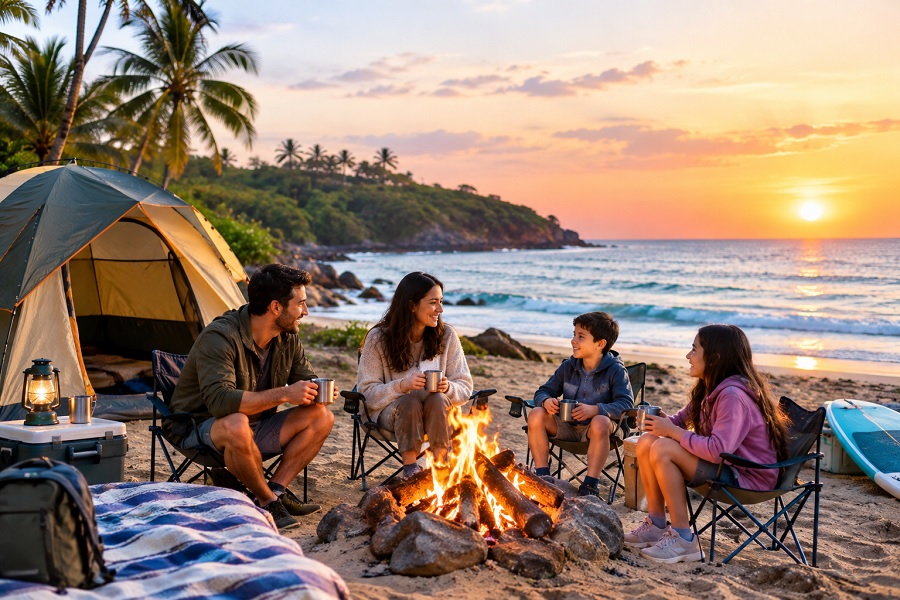
Seasonal Beach Camping: A Complete Guide to Planning the Perfect Coastal Adventure
Introduction
Seasonal Beach Camping is an exciting form of outdoor tourism that combines the beauty of coastal landscapes with the adventure of staying close to nature. Instead of spending a beach vacation only at hotels or resorts, travelers can stay in tents, eco-camps, beach camps, or designated coastal camping areas and enjoy the sea, sand, fresh air, sunsets, and outdoor activities.
The experience can be very different depending on the season. Summer may be ideal for swimming and water activities in suitable locations, while cooler seasons can offer comfortable conditions for walking, photography, campfires where legally permitted, and relaxing beside the sea.
Seasonal beach camping can be enjoyed by solo travelers, couples, families, groups of friends, photographers, and adventure enthusiasts.
What Is Seasonal Beach Camping?
Seasonal Beach Camping means planning a camping experience according to the weather, climate, tides, local regulations, and activities available during a particular season.
Depending on the destination, seasonal camping may include:
Tent camping
Glamping
Eco-camping
Beachside cabins
Coastal trekking
Swimming
Kayaking
Paddleboarding
Fishing where permitted
Sunset photography
Birdwatching
Stargazing
Beach walks
Outdoor cooking
Campfire experiences where permitted
The key is to choose a season and campsite that are appropriate for local environmental conditions.
Why Choose a Seasonal Beach Camping Holiday?
1. Close Connection With Nature
Camping near the coast allows travelers to experience natural surroundings more directly. The sound of waves, sea breeze, coastal vegetation, and changing skies can create a memorable outdoor experience.
2. Beautiful Scenery
Beaches provide excellent opportunities for sunrise and sunset photography. Seasonal changes can also influence the color, atmosphere, vegetation, and wildlife of coastal areas.
3. Outdoor Adventure
Beach camping can be combined with activities such as hiking, kayaking, cycling, swimming, snorkeling, and other suitable recreational activities.
4. Relaxation
Travelers can spend time reading, walking along the shoreline, watching the sunset, or simply enjoying the coastal environment.
5. Affordable Travel Option
Camping can sometimes be more affordable than traditional accommodation, although campsite fees, equipment, transportation, activities, and food should all be included when calculating the total cost.
Choosing the Best Season
The ideal season depends on the destination.
Summer Beach Camping
Summer can be attractive for travelers who want to enjoy swimming and water-based activities. However, high temperatures can make tents uncomfortable, and some coastal destinations may experience crowds.
Travelers should choose campsites with shade, ventilation, drinking-water access, and appropriate facilities.
Monsoon or Rainy Season
Rainy-season beach camping requires considerable caution. Heavy rain, strong winds, rough seas, lightning, flooding, and unstable ground can create dangerous conditions.
Camping should only be considered where local authorities and campsite operators confirm that conditions are safe.
Autumn Beach Camping
Autumn can provide comfortable temperatures in many destinations. It can be an excellent period for coastal walks, photography, sightseeing, and relaxed camping.
Winter Beach Camping
Winter beach camping can be particularly enjoyable in destinations with mild coastal weather. Cooler evenings make warm clothing, suitable sleeping equipment, and weather-resistant shelter important.
Spring Beach Camping
Spring can offer pleasant temperatures and opportunities to observe seasonal changes in coastal landscapes. It is often a good period for hiking, photography, wildlife observation, and outdoor recreation.
Popular Beach Camping Experiences in India
India has a long coastline with diverse beach environments. Depending on local rules and seasonal conditions, travelers may find organized camping or glamping experiences around destinations in Goa, Maharashtra, Karnataka, Kerala, Tamil Nadu, Odisha, Gujarat, Andhra Pradesh, and other coastal regions.
Some beaches are environmentally sensitive or have restrictions on camping. Travelers should always verify local regulations and use designated camping facilities instead of setting up tents wherever they wish.
Types of Beach Camping
Traditional Tent Camping
Travelers bring or rent camping equipment and stay in a standard tent.
Glamping
Glamping combines outdoor surroundings with more comfortable accommodation such as furnished tents, proper beds, lighting, and private facilities.
Eco-Camping
Eco-camps focus on minimizing environmental impact through responsible waste management, energy conservation, and local sourcing.
Group Camping
Friends, families, or organized groups can share a camping area and participate in activities together.
Solo Beach Camping
Solo camping provides a peaceful opportunity to enjoy nature independently, but travelers should choose established campsites and take additional safety precautions.
Essential Camping Equipment
A beach camping trip may require:
Weather-resistant tent
Sleeping bag
Sleeping mat
Lightweight blanket
Portable lighting
Power bank
Reusable water bottle
First-aid supplies
Comfortable clothing
Sun protection
Insect protection
Waterproof storage bags
Basic cooking equipment where permitted
Waste bags
Navigation and communication equipment
Equipment should be selected according to the destination and season.
Clothing for Beach Camping
Beach conditions can change significantly between day and night.
Useful clothing may include:
Lightweight daytime clothing
Warm layers for cool evenings
Comfortable walking shoes
Sandals
Rain protection when appropriate
Hat or cap
Sunglasses
Quick-drying clothing
Extra socks
Swimwear where swimming is permitted
Avoid relying on a single set of clothing, particularly when camping outdoors.
Beach Camping Activities
Sunrise Watching
Wake early to enjoy the changing colors of the morning sky.
Sunset Photography
Sunset is one of the most popular beach camping experiences. Photographers can capture changing light over the water, silhouettes, and coastal landscapes.
Coastal Walking
Walking along designated beach areas provides gentle outdoor exercise and opportunities to observe nature.
Swimming
Only swim in areas where swimming is permitted and conditions are considered safe. Avoid entering the water during dangerous tides, storms, or rough-sea conditions.
Kayaking
Kayaking can be an enjoyable coastal activity when offered by qualified operators and when weather and sea conditions are suitable.
Stargazing
Beaches away from bright city lights can offer excellent opportunities for observing the night sky when weather conditions are clear.
Birdwatching
Many coastal areas support birdlife. Travelers should maintain a respectful distance and avoid disturbing nesting areas.
Beach Camping Food Ideas
Outdoor meals should be simple, nutritious, and easy to store.
Good options may include:
Fresh fruit
Sandwiches
Wraps
Vegetable salads
Nuts and seeds
Oatmeal
Eggs where practical
Simple rice dishes
Grilled vegetables
Soups
Hydrating beverages
Food should be stored securely and protected from heat, insects, animals, and contamination.
Avoid leaving food waste on the beach.
Campfire Experiences
Campfires can create a memorable camping atmosphere, but they are not permitted everywhere.
Before having a fire:
Check local regulations.
Use designated fire areas.
Follow campsite instructions.
Keep fires away from tents and vegetation.
Never leave a fire unattended.
Extinguish it completely before leaving.
Where fires are prohibited, use safe alternatives such as lanterns or battery-powered lighting.
Safety Tips for Seasonal Beach Camping
Check Weather Conditions
Weather should be checked before departure and again during the trip.
Understand Tides
Tides can change the available beach area and may create serious hazards. Never camp in areas that could be affected by rising water.
Stay Away From Unstable Cliffs
Coastal cliffs can experience erosion and rockfalls. Follow designated paths and warning signs.
Protect Yourself From the Sun
Use suitable sun protection and seek shade during periods of strong sunlight.
Stay Hydrated
Outdoor activities and coastal heat can increase fluid requirements.
Secure Your Tent
Wind can become strong near the coast. Use suitable tent anchors and avoid exposed locations during severe weather.
Follow Local Warnings
If authorities or campsite operators advise evacuation or relocation because of storms, flooding, high waves, or other hazards, follow their instructions immediately.
Family-Friendly Beach Camping
Families can enjoy beach camping through age-appropriate activities.
Good options include:
Sandcastle building
Nature walks
Shell observation without collecting protected items
Storytelling
Photography
Birdwatching
Supervised swimming
Simple outdoor games
Children should remain supervised near water, rocks, cliffs, roads, and cooking equipment.
Solo Beach Camping
Solo travelers should select established campsites with reliable communication and emergency access.
It is useful to:
Share travel plans with someone you trust.
Keep your phone charged.
Avoid isolated areas.
Check weather conditions frequently.
Carry basic emergency supplies.
Follow local campsite rules.
Solo camping should prioritize safety over finding the most remote location.
Sustainable Beach Camping
Coastal ecosystems can be fragile. Responsible camping helps protect beaches and marine environments.
Travelers should:
Carry reusable bottles.
Avoid unnecessary plastic.
Take all waste away.
Never dump food or wastewater into the sea.
Avoid disturbing wildlife.
Stay on designated paths.
Respect nesting areas.
Avoid removing shells, plants, rocks, or other natural materials where prohibited.
Use established campsites.
Support responsible local businesses.
The goal should be to leave the beach as clean as—or cleaner than—it was when you arrived.
Budget Planning
The total cost of beach camping depends on the destination and camping style.
Major expenses may include:
Transportation
Campsite fees
Tent rental or purchase
Food
Outdoor equipment
Water activities
Local transportation
Entry fees
Safety equipment
Budget travelers can reduce expenses by choosing affordable campsites, preparing simple meals, renting equipment, and selecting free coastal activities such as walking and photography.
Luxury Beach Camping
Travelers who prefer comfort can choose glamping.
Luxury coastal camps may offer:
Comfortable beds
Private bathrooms
Electricity
Furnished tents
On-site dining
Guided activities
Outdoor seating
Wellness experiences
Private beach access where legally and environmentally appropriate
Glamping is a useful option for travelers who enjoy nature but do not want to sacrifice comfort.
Sample 3-Day Seasonal Beach Camping Itinerary
Day 1: Arrival and Coastal Exploration
Arrive at the campsite, set up your accommodation, explore the surrounding beach area, enjoy a sunset walk, and have a relaxed dinner.
Day 2: Outdoor Adventure
Start with a morning beach walk, enjoy breakfast, participate in a suitable water activity, relax during the afternoon, and spend the evening stargazing or enjoying an authorized campsite activity.
Day 3: Nature and Departure
Wake early for sunrise, enjoy breakfast, clean the campsite thoroughly, take a final coastal walk, and depart.
Best Tips for a Comfortable Experience
To make the trip enjoyable:
Select the right season.
Book an authorized campsite.
Check weather and tide information.
Pack suitable clothing.
Carry enough drinking water.
Keep food properly stored.
Avoid overplanning.
Respect wildlife and local communities.
Keep the beach clean.
Have an emergency plan.
Common Mistakes to Avoid
Travelers should avoid:
Camping in unauthorized areas
Setting up too close to the water
Ignoring tide information
Underestimating coastal winds
Leaving food exposed
Forgetting warm layers
Ignoring weather warnings
Leaving plastic or food waste behind
Swimming in unsafe conditions
Lighting fires where prohibited
Health and Wellness Benefits
Beach camping can encourage physical activity through walking, hiking, swimming, and other outdoor activities. Time spent in natural surroundings can also provide an opportunity to disconnect from routine and enjoy slower-paced activities.
However, travelers should not treat camping as a substitute for medical care or professional health advice. Activities should be selected according to individual ability and environmental conditions.
The Future of Seasonal Beach Camping
Beach camping is increasingly moving toward sustainable and experience-based tourism.
Future trends may include:
Eco-friendly camps
Solar-powered camping facilities
Low-waste travel
Luxury glamping
Guided coastal nature experiences
Wellness-focused beach camps
Responsible wildlife tourism
Local food experiences
Family-friendly camping packages
Digital detox camping
As coastal tourism grows, responsible management will be increasingly important for protecting beaches and marine ecosystems.
Conclusion
Seasonal Beach Camping offers a unique way to experience coastal landscapes while enjoying outdoor adventure, relaxation, nature, and quality time away from everyday routines. The experience can range from simple tent camping to comfortable eco-friendly glamping, depending on personal preferences and budget.
The key to a successful trip is choosing the right season, checking weather and tide conditions, using authorized camping areas, packing appropriate equipment, and respecting local environmental rules.
With thoughtful planning and responsible behavior, Seasonal Beach Camping can become a memorable travel experience that combines adventure, relaxation, natural beauty, and sustainable tourism.