Cozy Winter Campfire Travel Experiences for Nature Lovers
Winter Campfire Travel Experiences: A Cozy Way to Explore the Outdoors
Winter transforms outdoor travel into a completely different experience. Cold evenings, quiet landscapes, mountain views and glowing campfires create an atmosphere that encourages travelers to slow down and enjoy nature. Winter Campfire Travel Experiences combine camping, outdoor exploration, warm food, storytelling and time around a fire to create memorable seasonal getaways.
Winter camping is especially appealing because many destinations become quieter during the colder months. In Maharashtra, for example, destinations such as Pawna Lake and Bhandardara are promoted for camping during October to March, when conditions are generally more pleasant for outdoor stays.
What Are Winter Campfire Travel Experiences?
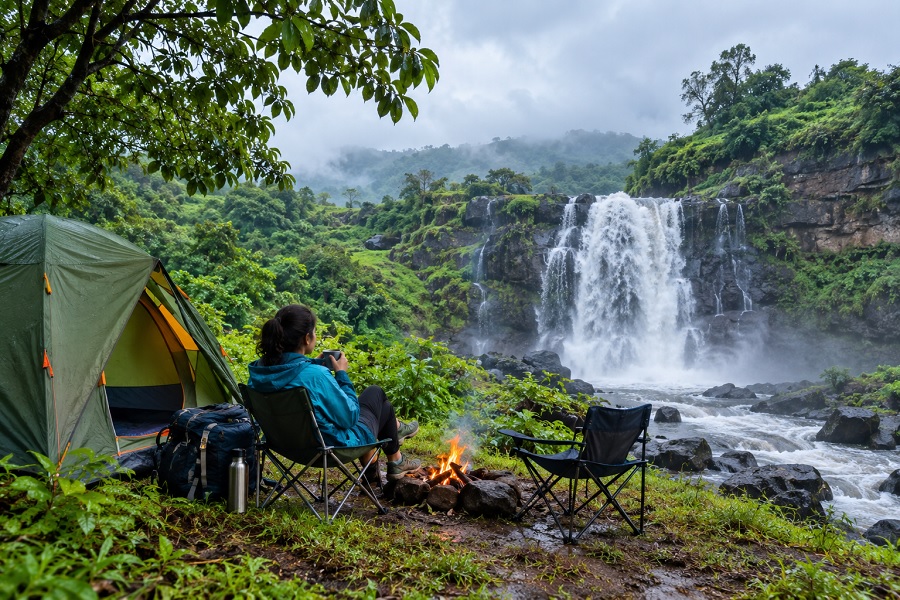
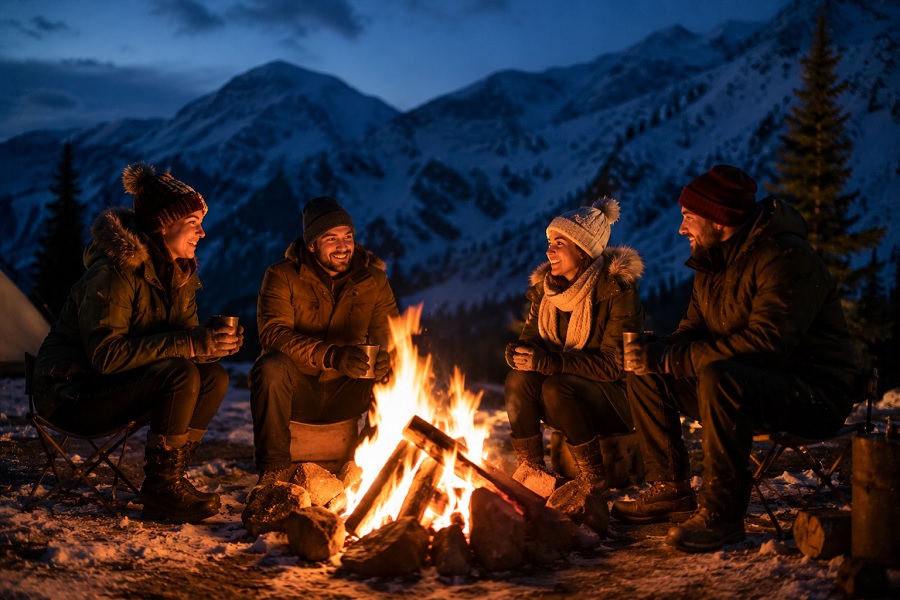
Winter Campfire Travel Experiences are outdoor holidays centered around spending time at a campsite during the colder season. The experience can include camping in tents or cottages, enjoying a supervised campfire, hiking, stargazing, photography, local food, music and conversations with fellow travelers.
Rather than focusing only on sightseeing, these trips emphasize the atmosphere of the destination. A quiet evening beside a fire, a hot cup of tea and a clear winter sky can become as memorable as visiting a major tourist attraction.
Why Winter Campfire Trips Are Becoming Popular
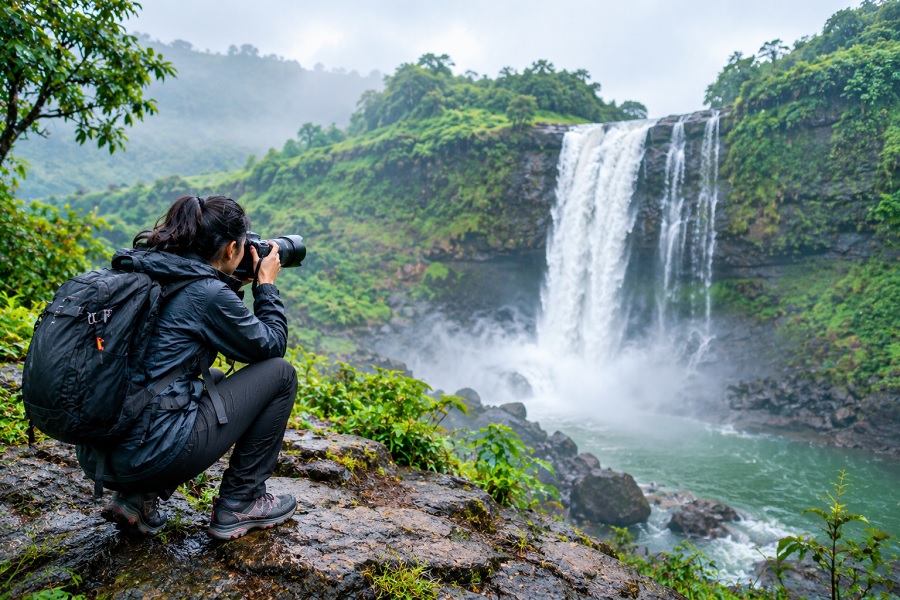
Winter camping provides an opportunity to experience landscapes with fewer crowds and a peaceful atmosphere. In and around Pune, night trekking and overnight camping have attracted adventure travelers during winter, with sunrise experiences being one of the popular attractions.
The appeal comes from several factors:
Peaceful natural surroundings
Cooler outdoor temperatures
Scenic mountain and lakeside landscapes
Campfire gatherings
Winter photography opportunities
Stargazing
Hiking and trekking
Local food experiences
Digital-detox opportunities
Group bonding and social experiences
Best Destinations for Winter Campfire Experiences
1. Mountain Camps
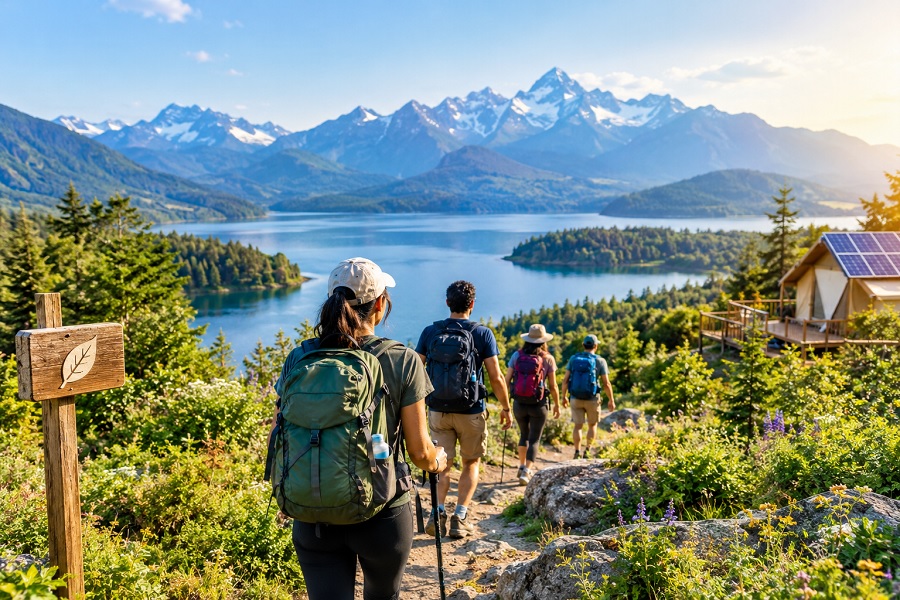
Mountain destinations are ideal for travelers who enjoy cold-weather landscapes. Camps surrounded by hills can combine short hikes, sunrise viewpoints and evening campfires.
2. Lakeside Camps
Lakeside camping creates a relaxing winter atmosphere. Destinations such as Pawna Lake are known for camping, bonfires and outdoor evening activities, with Maharashtra Tourism identifying October to March as a favorable period.
3. Forest Camps
Forest camping can provide a quieter experience, particularly when camps are located near permitted recreational areas. Travelers should always follow local regulations and avoid disturbing wildlife.
4. Desert Camps
Winter is particularly attractive for desert camping because daytime conditions can be more comfortable than during the hotter months. Evening campfires, traditional meals, folk performances and stargazing can add cultural depth to the experience.
5. Snow-Covered Camps
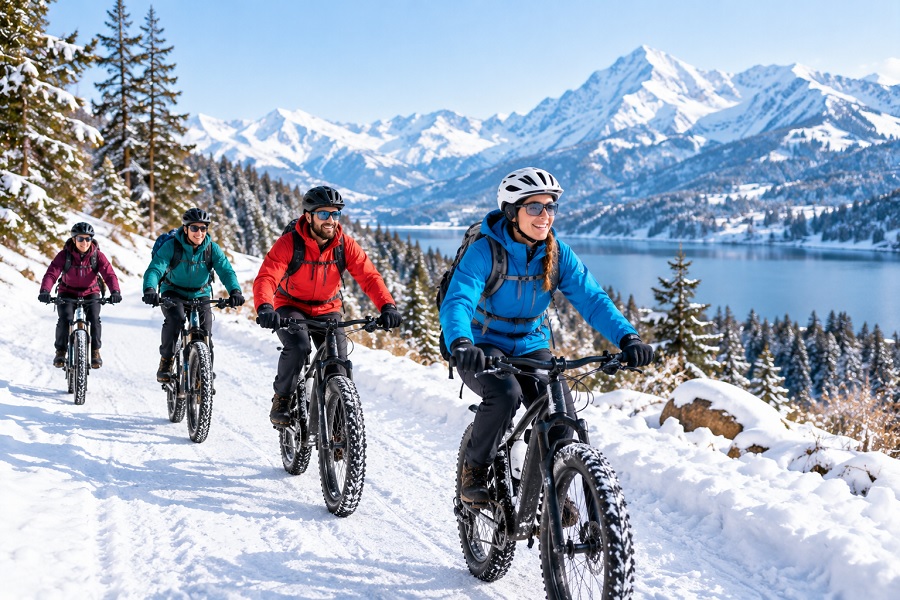
For experienced travelers, snowy destinations offer a more demanding version of winter camping. Snowshoeing, skiing and winter trekking can be combined with an evening at an appropriate campsite.
Activities to Include
A successful winter campfire holiday does not need to be complicated. Popular activities include:
Campfire storytelling
Stargazing
Winter photography
Sunrise hikes
Short nature walks
Acoustic music sessions
Outdoor cooking
Local food tasting
Birdwatching
Snow activities
Board games
Nature journaling
Meditation
Night-sky photography
Cultural performances
Winter Campfire Food Experiences
Food can become one of the highlights of a winter camping trip. Travelers can enjoy hot soups, roasted vegetables, grilled foods, traditional snacks, tea, coffee and regional dishes.
Outdoor cooking should always be conducted according to campsite rules and with appropriate equipment. In some protected areas, fires are completely prohibited, so travelers should never assume that a campfire is permitted simply because it is winter. Yellowstone National Park, for example, prohibits backcountry fires in its winter camping areas.
Romantic Winter Campfire Getaways
Couples can turn winter camping into a romantic experience with a scenic campsite, warm beverages, sunset photography and stargazing. A private cottage or properly managed campsite can provide more comfort for travelers who do not want a fully rugged camping experience.
The key is to balance romance with safety. Cold-weather conditions can change quickly, so comfort and preparation should remain priorities.
Family Winter Campfire Holidays
Families can enjoy winter camping through simpler activities such as nature walks, storytelling, outdoor games and supervised campfire sessions.
For families with children, choose established campsites with appropriate facilities rather than remote winter wilderness. Keep children warm, dry and supervised around any fire.
Solo Winter Campfire Experiences
Solo travelers may enjoy the quiet atmosphere of winter camping, photography and nature observation. However, remote winter travel requires additional preparation. National Park Service guidance recommends telling someone where you are going and when you expect to return, and notes that winter travelers should not depend entirely on mobile-phone coverage.
For beginners, a managed campsite or guided experience is generally a better starting point than remote backcountry camping.
Essential Winter Camping Gear
A winter campfire trip requires more preparation than ordinary warm-weather camping.
Important items can include:
Thermal or moisture-managing base layers
Insulated jacket
Waterproof outer layer
Warm hat and gloves
Insulated footwear
Winter-rated sleeping bag
Insulated sleeping mat
Headlamp
Extra batteries
First-aid kit
Navigation equipment
Emergency blanket
Water and high-energy food
Weather-appropriate shelter
Emergency communication equipment
Winter conditions can change rapidly, and official guidance recommends carrying appropriate navigation, emergency and cold-weather equipment.
Campfire Safety
A campfire should only be used where it is legally permitted and where the campsite provides a suitable fire area.
Travelers should:
Follow campsite and forest regulations
Keep combustible materials away from flames
Never leave a fire unattended
Keep water or an approved extinguishing method available
Fully extinguish the fire before leaving
Never use open flames inside a tent
Avoid lighting fires during dangerous wind conditions
Follow local fire restrictions
Some winter camping programs explicitly prohibit flames inside tents, teepees and snow shelters because of fire and carbon-monoxide risks.
Winter Weather and Health
Cold weather requires careful planning. Hypothermia and frostbite are among the major hazards associated with winter wilderness travel.
Travelers should check the forecast before departure and prepare for changing conditions. Layering is important because clothing can be adjusted as activity levels change. Staying hydrated and carrying sufficient food are also important during cold-weather activities.
Sustainable Winter Camping
Responsible tourism is important even when the landscape is covered with snow. Travelers should stay on appropriate routes, follow campsite regulations, minimize waste and avoid disturbing wildlife.
Winter environments can be fragile, particularly during periods when snow cover is thin or melting. Responsible travel practices help reduce damage to vegetation and natural habitats.
Ideal Winter Campfire Travel Itinerary
Day 1:
Arrive at the destination → check into the campsite → explore the surroundings → enjoy sunset → supervised campfire and dinner → stargazing.
Day 2:
Early morning sunrise walk → breakfast → short trek or nature activity → local sightseeing → lunch → photography → return home.
For snow destinations or remote areas, the itinerary should be adjusted according to weather, daylight and the traveler's experience level.
Who Should Try Winter Campfire Travel?
Winter campfire experiences can suit:
Solo travelers
Couples
Families
Friend groups
Photography enthusiasts
Nature lovers
Adventure travelers
Weekend travelers
Corporate outdoor groups
Slow-travel enthusiasts
Beginners should start with organized campsites or guided trips rather than remote winter wilderness. Winter travel can involve serious hazards, and official guidance emphasizes appropriate experience, equipment and planning.
Final Thoughts
Winter Campfire Travel Experiences offer a combination of nature, adventure, relaxation and social connection. From lakeside camps in Maharashtra to mountain and snow destinations, travelers can enjoy a slower and more atmospheric style of holiday during the colder months.
The campfire itself is only one part of the experience. The real attraction is spending time outdoors, exploring seasonal landscapes, sharing warm food, watching the stars and creating memories away from crowded tourist attractions. With proper planning, responsible camping practices and attention to weather and fire regulations, winter can become one of the most rewarding seasons for outdoor travel.