Best Coffee Plantation Tours and Estate Stays in India
Coffee Plantation Tourism in India: Exploring Coffee, Nature and Local Culture
Coffee Plantation Tourism in India offers travelers a unique opportunity to explore beautiful coffee-growing landscapes while learning about cultivation, harvesting, processing, and the cultural traditions connected with coffee production. From misty plantations in Karnataka to the green hills of Kerala and Tamil Nadu, coffee estates provide a refreshing combination of nature, agriculture, food, and rural experiences.
For travelers looking beyond conventional sightseeing, a coffee plantation visit can become an immersive journey through farms, forests, local communities, and regional cuisine.
What Is Coffee Plantation Tourism?
Coffee plantation tourism, also known as coffee estate tourism, involves visiting coffee-growing regions to experience how coffee is cultivated and processed.
Depending on the property, visitors may take guided plantation walks, observe coffee plants, learn about harvesting methods, visit processing areas, participate in coffee tastings, enjoy local meals, and stay in plantation cottages or homestays.
These experiences connect tourism with agriculture and give visitors a better understanding of the journey from coffee plant to cup.
India's Coffee-Growing Regions
India has several important coffee-growing regions, each offering a distinct landscape and travel experience.
Karnataka
Karnataka is one of India's major coffee-producing states. Regions such as Coorg, Chikkamagaluru, and Sakleshpur are known for scenic plantations surrounded by hills, forests, and greenery.
Coorg, also known as Kodagu, is particularly popular for plantation stays and coffee-related experiences.
Kerala
Kerala's coffee-growing areas include the highlands of Wayanad and parts of the Western Ghats. Visitors can combine plantation experiences with wildlife, waterfalls, village tourism, and nature activities.
Tamil Nadu
The hill regions of Tamil Nadu, including Yercaud and the Nilgiris, offer opportunities to explore coffee estates alongside mountain scenery and other plantation crops.
Andhra Pradesh and Other Regions
Coffee cultivation is also associated with the Araku Valley region of Andhra Pradesh, where visitors can experience coffee farms alongside tribal culture and scenic landscapes.
Coffee Plantation Experiences
1. Guided Plantation Walks
Plantation walks are one of the most popular activities. Local guides can explain how coffee plants grow, how shade trees are used, and how farmers manage plantations.
Visitors can also learn about other crops that may grow alongside coffee, such as pepper, cardamom, fruits, and spices.
2. Coffee Harvesting Experiences
During the harvest season, visitors may have opportunities to observe or participate in selected harvesting activities, depending on the plantation's policies.
This provides insight into the amount of work involved in collecting ripe coffee cherries.
3. Coffee Processing Tours
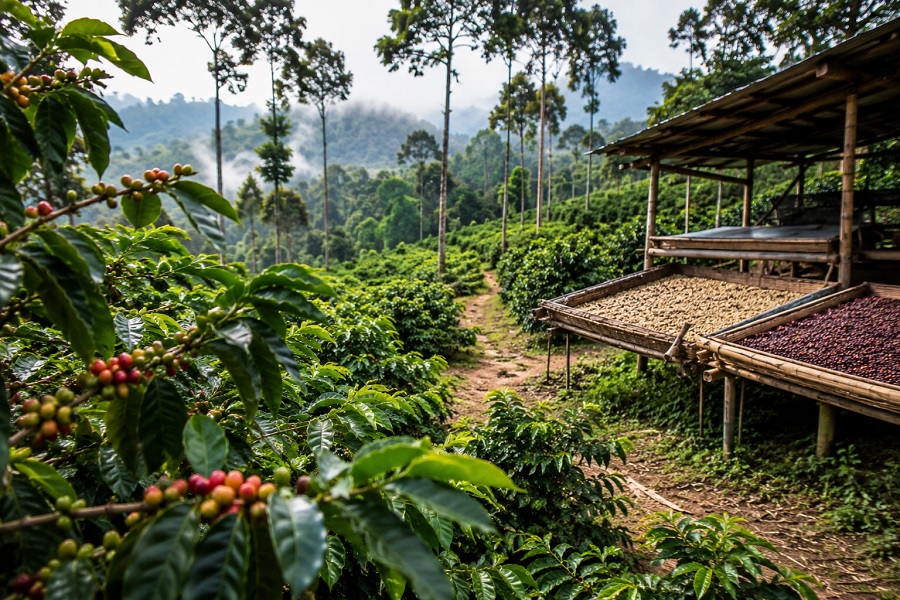
After harvesting, coffee cherries go through several stages before becoming roasted beans. Plantation tours may explain processes such as pulping, drying, sorting, grading, and processing.
Seeing these stages helps travelers understand the effort involved in producing coffee.
4. Coffee Tasting Sessions
Coffee tasting is an important part of plantation tourism. Guests may be introduced to different beans, roast levels, aromas, and brewing methods.
Guides can explain how factors such as altitude, soil, climate, processing methods, and roasting influence flavor.
5. Plantation Cooking Experiences
Some estate stays combine coffee tourism with local cuisine. Guests may enjoy traditional meals prepared using locally sourced ingredients.
This creates a broader culinary experience that connects coffee production with regional food culture.
Best Time to Visit Indian Coffee Plantations
The best time depends on the destination and the experience travelers want.
The cooler months are generally comfortable for plantation walks and outdoor exploration. Harvest periods can be particularly interesting for visitors who want to observe coffee-picking activities, although exact harvest timing varies by region and year.
Travelers should check local plantation schedules before planning a visit.
Coffee Plantation Stays
Many plantations offer accommodation ranging from heritage bungalows and cottages to homestays and boutique estate resorts.
Staying on or near a plantation allows visitors to experience the landscape at a slower pace. Early morning walks, birdwatching, plantation tours, and freshly brewed local coffee can become part of the stay.
These properties can be especially attractive to couples, families, photographers, nature lovers, and travelers looking for peaceful rural experiences.
Coffee and Nature Tourism
Coffee plantations are often located in biodiverse mountain environments. Depending on the estate, travelers may encounter birds, butterflies, native plants, streams, and other forms of wildlife.
Plantation tourism can therefore be combined with:
Nature walks
Birdwatching
Hiking
Photography
Wildlife experiences
Village visits
Waterfall trips
Spice plantation tours
Visitors should follow local rules and avoid disturbing wildlife or entering restricted plantation areas.
Coffee and Local Culture
Coffee tourism is also a way to discover the communities that have shaped India's coffee-growing regions.
Local guides, farmers, estate workers, homestay owners, cooks, and artisans can contribute to the visitor experience. Learning about farming traditions and regional lifestyles can make a plantation trip more meaningful.
In places such as Araku Valley, coffee tourism can also be connected with local tribal culture and community-based tourism initiatives.
Sustainable Coffee Plantation Tourism
Sustainability is an important part of responsible plantation tourism.
Coffee estates can contribute to environmental protection through shade-grown cultivation, responsible water use, soil conservation, biodiversity protection, and reduced chemical use where appropriate.
Travelers can support sustainable tourism by choosing locally operated accommodation, respecting plantation rules, reducing waste, and purchasing coffee directly from responsible producers when possible.
Benefits for Local Communities
Coffee plantation tourism can create additional income for rural communities. Visitors spend money on accommodation, food, guides, transportation, coffee products, handicrafts, and local experiences.
This can help diversify rural economies and encourage the preservation of agricultural landscapes and local traditions.
Coffee Plantation Tourism for Families
Coffee estates can be interesting family destinations because they combine education with outdoor exploration.
Children can learn where coffee comes from, see coffee plants, explore farms, and discover how agricultural products reach consumers.
Families should choose plantations with safe walking routes and activities appropriate for children's ages.
Coffee Tourism for Couples
Coffee plantations offer a peaceful setting for couples seeking a relaxed getaway. Plantation walks, scenic viewpoints, private estate stays, coffee tasting, and local dining can create a memorable romantic experience.
Many plantation properties also offer opportunities for nature photography and quiet outdoor activities.
Photography Opportunities
Indian coffee plantations offer excellent photography opportunities throughout the year. Travelers can capture rows of coffee plants, mist-covered hills, shade trees, coffee cherries, traditional estate buildings, processing activities, and scenic landscapes.
Early mornings can provide particularly atmospheric conditions in many hill regions.
Visitors should ask permission before photographing workers or private areas.
Tips for Planning a Coffee Plantation Tour
Before booking a plantation experience, travelers should check:
Plantation location and accessibility.
Best visiting season.
Availability of guided tours.
Coffee tasting options.
Accommodation facilities.
Meal arrangements.
Walking requirements.
Weather conditions.
Family and pet policies.
Photography rules.
Transportation options.
Comfortable walking shoes, light clothing, rain protection, insect protection, and a reusable water bottle can be useful.
The Future of Coffee Plantation Tourism in India
Coffee plantation tourism has strong potential as travelers increasingly seek agricultural, culinary, nature-based, and community-focused experiences.
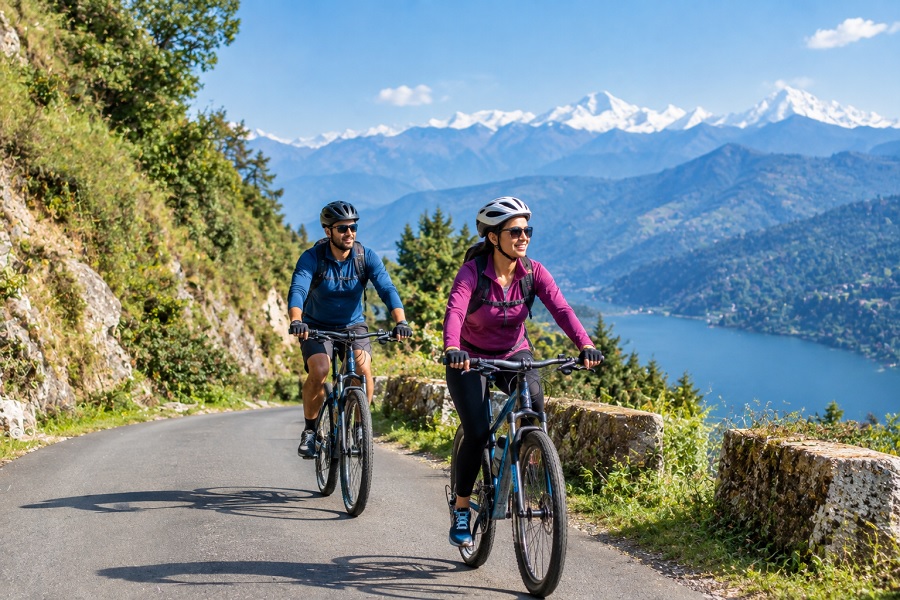
Future plantation tourism can combine coffee with farm stays, wellness retreats, cycling routes, birdwatching, culinary workshops, sustainable farming education, and local cultural experiences.
Digital booking platforms and social media are also making it easier for smaller estates and rural properties to reach travelers.
Conclusion
Coffee Plantation Tourism in India provides an engaging way to explore the country's coffee-growing landscapes while discovering agriculture, local culture, cuisine, and nature. From guided estate walks and coffee tastings to plantation stays and farm experiences, travelers can experience the journey of coffee from cultivation to cup.
With responsible tourism practices and strong community participation, coffee plantation tourism can support rural economies while encouraging appreciation for India's agricultural heritage. For travelers seeking a peaceful and educational getaway in 2026, India's coffee-growing regions offer a distinctive combination of scenery, flavor, and cultural experience.