Bengali Food Tourism: Discover the Flavours and Culinary Traditions of Bengal
Bengali Food Tourism Experiences: Explore Bengal Through Its Flavours
Introduction
Bengali food tourism offers travelers an opportunity to discover the culture, traditions, history, and everyday life of Bengal through food. Known for its distinctive combination of rice, fish, vegetables, lentils, spices, sweets, and desserts, Bengali cuisine has a diverse culinary identity.
From traditional home-style meals and bustling street-food stalls to famous sweets and festive dishes, food travelers can explore many different sides of Bengali culinary culture. Kolkata and different regions of West Bengal offer opportunities to experience both classic recipes and modern interpretations of traditional food.
Bengali food tourism is not simply about eating. It is also about understanding local ingredients, cooking traditions, family recipes, festivals, markets, and the cultural stories connected with food.
What Is Bengali Food Tourism?
Bengali food tourism involves traveling to Bengal to experience its traditional and contemporary food culture.
A Bengali culinary journey may include:
Traditional Bengali meals
Local street food
Bengali sweets
Fish and seafood dishes
Vegetarian Bengali cuisine
Rice and lentil preparations
Regional snacks
Traditional cooking methods
Local food markets
Home-cooked meals
Food festivals
Cooking demonstrations
Heritage dining experiences
These experiences allow visitors to connect food with the communities and traditions of the region.
Why Bengali Food Tourism Is Popular
Bengali cuisine has a wide variety of flavours and ingredients. Different dishes can range from mildly spiced vegetable preparations to rich fish curries and delicate sweets.
Food tourism in Bengal can appeal to travelers because it offers:
Authentic regional flavours
Traditional recipes
Diverse vegetarian dishes
Famous Bengali sweets
Local market experiences
Seasonal food traditions
Cultural and festival connections
Home-style cooking experiences
Street-food exploration
For travelers interested in cultural tourism, food can provide an easy and enjoyable way to learn about local traditions.
Traditional Bengali Meals
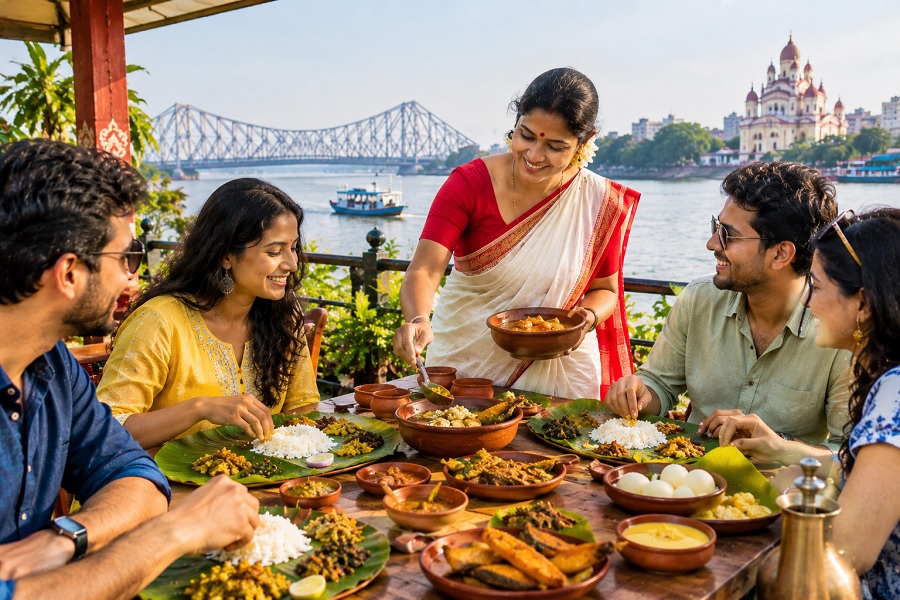
A traditional Bengali meal can include several courses, with rice playing an important role.
Common components may include:
Rice
Dal
Vegetable preparations
Fish curry
Chutney
Pickles
Sweets
One interesting feature of traditional Bengali dining is the variety of dishes served during a meal. Different ingredients and cooking techniques create contrasting textures and flavours.
Bengali Vegetarian Food Experiences
Bengali cuisine has a substantial vegetarian culinary tradition.
Travelers can explore dishes prepared with vegetables, lentils, leafy greens, potatoes, pumpkin, eggplant, bananas, and other seasonal ingredients.
Popular vegetarian preparations may include:
Shukto
Aloo Posto
Begun Bhaja
Cholar Dal
Dal with seasonal vegetables
Mixed vegetable preparations
Mochar Ghonto
Labra
Vegetarian travelers can therefore discover a broad selection of Bengali dishes beyond the region's well-known fish preparations.
Bengali Fish and Seafood Cuisine
Fish is strongly associated with Bengali cuisine and forms an important part of many traditional meals.
Travelers may encounter preparations featuring:
Rohu
Katla
Hilsa
Pabda
Bhetki
Chingri
Popular preparations include fish curry, mustard-based dishes, fried fish, and other regional recipes.
Hilsa is particularly associated with Bengali culinary traditions and is often featured during seasonal and cultural occasions.
Mustard and Bengali Flavours
Mustard is an important ingredient in many Bengali recipes. Mustard oil and mustard-based preparations contribute a distinctive flavour to the cuisine.
Travelers interested in regional cooking can explore dishes where mustard is combined with fish, vegetables, or other ingredients.
Other commonly used ingredients include:
Panch phoron
Turmeric
Green chilli
Ginger
Cumin
Nigella seeds
Coriander
Coconut
Exploring these ingredients can help visitors understand how Bengali cooks build flavour in everyday dishes.
Bengali Sweets and Dessert Tourism
Bengali sweets are an important part of the region's food culture and can become a major attraction for culinary travelers.
Popular sweets include:
Rasgulla
Sandesh
Mishti Doi
Rajbhog
Chamcham
Kheer Kadam
Payesh
Langcha
Sweet shops are found throughout West Bengal, and travelers can explore different varieties, preparation styles, and regional specialties.
Kolkata Street Food Experiences
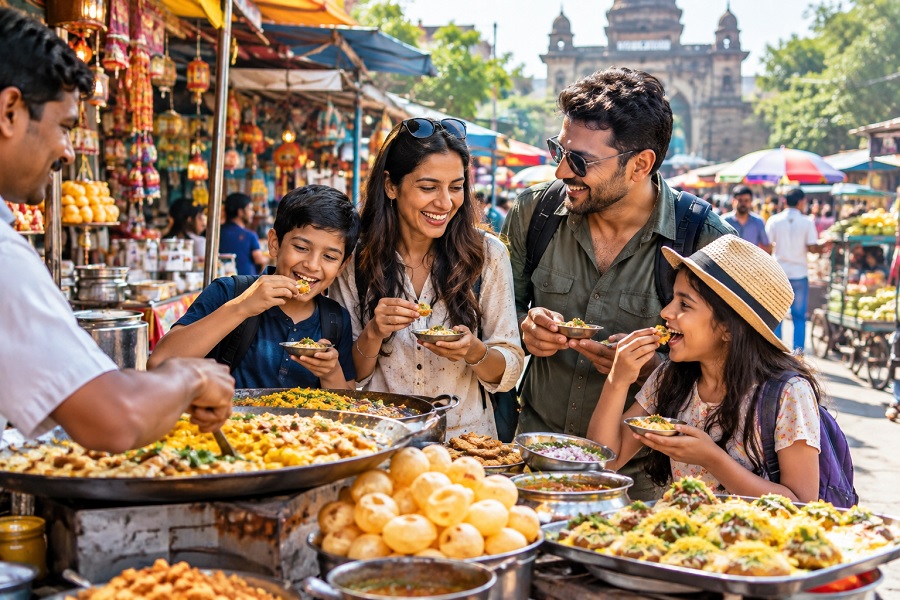
Kolkata offers a lively street-food culture that can be included in a Bengali food tour.
Travelers may explore snacks such as:
Kathi rolls
Phuchka
Jhalmuri
Ghugni
Telebhaja
Singara
Chops
Mughlai-style rolls
Street-food exploration can be particularly interesting for visitors who want to experience the everyday food culture of the city.
Travelers should select hygienic vendors, prefer freshly prepared food, and use safe drinking water while exploring street food.
Bengali Breakfast Experiences
Breakfast can provide another way to explore Bengali culinary traditions.
Depending on the location and household, travelers may encounter dishes such as:
Luchi
Alur Dom
Cholar Dal
Radhaballabhi
Kachori
Singara
Paratha
Tea
A traditional breakfast experience can be especially enjoyable when paired with a visit to a local market or neighborhood food establishment.
Bengali Food Markets
Local markets are an important part of food tourism because they allow travelers to see the ingredients used in regional cooking.
A market visit can introduce visitors to:
Fresh vegetables
Fish
Fruits
Spices
Rice varieties
Lentils
Sweets
Snacks
Pickles
Seasonal ingredients
Exploring markets with a knowledgeable local guide can make the experience more informative and help visitors understand regional food habits.
Bengali Festival Food Tourism
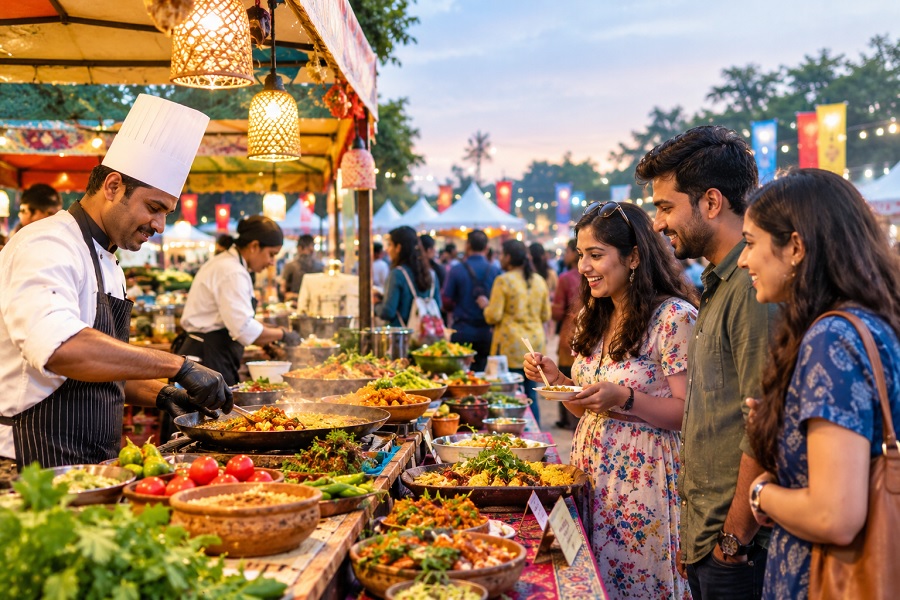
Food is closely connected with festivals and celebrations in Bengal.
During different cultural and religious occasions, travelers may find special sweets, snacks, vegetarian preparations, festive meals, and seasonal dishes.
Food-focused festival travel can provide an opportunity to experience:
Traditional recipes
Community celebrations
Local markets
Seasonal ingredients
Family cooking traditions
Regional sweets
Travelers should respect local customs and follow the rules of the communities and venues they visit.
Bengali Home-Cooked Food Experiences
Home dining can provide one of the most personal ways to experience regional cuisine.
A home-cooked Bengali meal may allow travelers to learn about:
Family recipes
Traditional cooking methods
Seasonal ingredients
Meal customs
Food preparation techniques
When participating in a home-dining experience, travelers should choose legitimate and responsible hosts and respect household privacy and cultural practices.
Bengali Cooking Classes
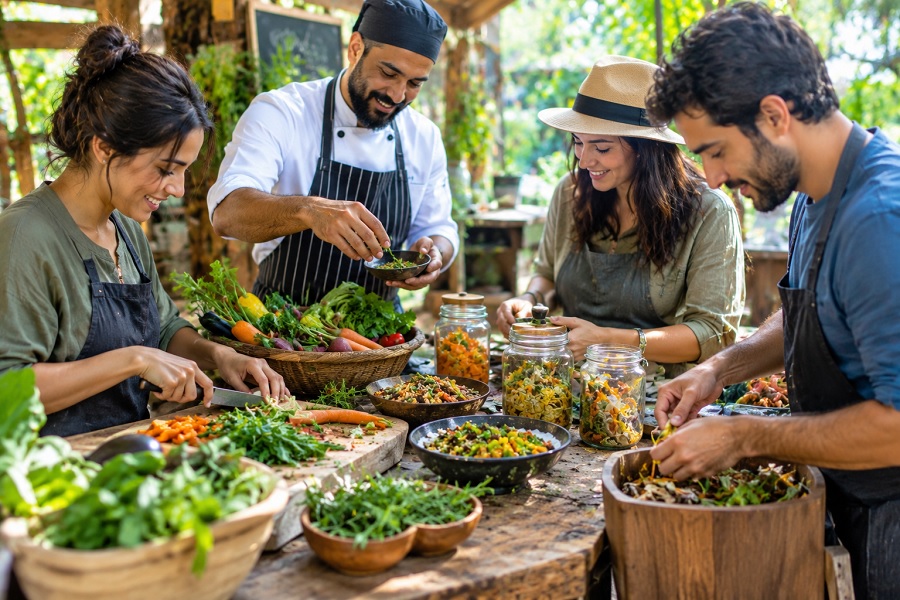
Cooking classes can turn food tourism into a hands-on cultural experience.
Visitors may learn how to prepare dishes such as:
Dal
Aloo Posto
Shukto
Fish curry
Cholar Dal
Bengali vegetable dishes
Payesh
Traditional sweets
A cooking class can also introduce visitors to Bengali spices, ingredients, utensils, and traditional cooking techniques.
Regional Bengali Food Experiences
Bengali food culture extends beyond Kolkata.
Different parts of West Bengal offer their own culinary traditions and local specialties. Travelers can explore food experiences in destinations such as:
Kolkata
Darjeeling
Siliguri
Murshidabad
Malda
Shantiniketan
Bishnupur
Digha
Sundarbans region
Each destination can offer a different combination of local ingredients, cultural influences, traditional dishes, and food experiences.
Food and Cultural Tourism
Bengali food tourism can be combined with cultural and heritage travel.
Visitors can create an itinerary that combines food with:
Heritage buildings
Museums
Traditional markets
Handicraft villages
Music and cultural performances
Festivals
Historical destinations
This combination helps travelers understand food as part of a larger cultural landscape.
Sustainable Bengali Food Tourism
Responsible food tourism can benefit local communities while reducing unnecessary environmental impact.
Travelers can support sustainable tourism by:
Choosing locally owned restaurants
Buying from local food producers
Supporting small sweet shops
Avoiding unnecessary food waste
Carrying reusable water bottles
Choosing seasonal ingredients
Respecting local food traditions
Supporting community-based culinary experiences
Local food tourism can help small businesses and traditional food producers benefit directly from visitors.
Food Photography in Bengal
Bengali cuisine can also be an excellent subject for food photography.
Travelers can photograph:
Traditional thalis
Bengali sweets
Local markets
Street-food preparation
Seasonal produce
Traditional cooking
Food festivals
Always ask permission before photographing people, private homes, or food vendors in situations where photography may not be appropriate.
Tips for Planning a Bengali Food Tour
Before starting a Bengali culinary trip, travelers should:
Research local specialties.
Plan food experiences around opening hours.
Try both vegetarian and non-vegetarian dishes if suitable for your diet.
Explore local markets.
Include traditional sweets.
Look for reputable cooking classes.
Carry basic information about food allergies.
Choose hygienic food establishments.
Drink safe water.
Leave room in the itinerary for spontaneous local discoveries.
Best Time for Bengali Food Tourism
Bengal offers food experiences throughout the year, but seasonal ingredients and festivals can influence what travelers find.
Winter can be particularly interesting for seasonal produce and certain traditional sweets and dishes. Festival periods can also provide special culinary experiences, although travelers should expect busy markets and popular food destinations.
The best time ultimately depends on the type of food and cultural experience a traveler wants to explore.
Bengali Food Tourism for Different Travelers
For Solo Travelers
Solo travelers can explore food markets, street food, cooking classes, and guided culinary walks at their own pace.
For Couples
Couples can combine Bengali cuisine with heritage walks, cultural experiences, and traditional dining.
For Families
Families can explore sweets, breakfast dishes, markets, cooking activities, and child-friendly culinary experiences.
For International Travelers
International visitors can use food tourism as an accessible introduction to Bengali culture and regional traditions.
Benefits of Bengali Food Tourism
Bengali food tourism can provide several benefits:
Supports local restaurants and food businesses
Promotes regional culinary traditions
Creates cultural connections
Encourages local shopping
Supports food artisans
Introduces travelers to traditional recipes
Encourages exploration beyond major tourist attractions
Helps preserve culinary heritage
Future of Bengali Food Tourism
The future of Bengali food tourism is likely to combine traditional culinary heritage with modern travel experiences.
Food walks, cooking classes, digital food guides, farm experiences, heritage dining, local-market tours, and community-based culinary experiences can create new opportunities for travelers.
At the same time, preserving traditional recipes and supporting local food businesses will remain important for maintaining Bengal's culinary identity.
Conclusion
Bengali Food Tourism Experiences offer travelers much more than a chance to taste delicious dishes. They provide an opportunity to explore Bengal's culture through traditional meals, sweets, street food, markets, festivals, cooking techniques, and local communities.
From a plate of rice and dal to iconic Bengali sweets and regional fish preparations, every food experience can reveal something about the history and traditions of the region. A thoughtfully planned Bengali food journey can therefore become an important part of India's wider culinary and cultural tourism experience.