Ukadiche Modak Tourism: Experience Authentic Maharashtrian Flavors and Festival Traditions

Ukadiche Modak Tourism: Exploring Maharashtra’s Traditional Sweet Heritage
Introduction
Ukadiche Modak Tourism is a unique form of food and beverage tourism centered around one of Maharashtra’s most iconic traditional sweets, Ukadiche Modak. Made with a soft steamed rice-flour covering and a sweet filling of coconut and jaggery, modak is closely associated with Ganesh Chaturthi and Maharashtra’s culinary heritage.
For travelers, exploring Ukadiche Modak is more than tasting a dessert. It can include visiting traditional sweet shops, learning how modaks are prepared, participating in cooking workshops, exploring local markets, and experiencing the cultural traditions connected with the festival.
What Is Ukadiche Modak Tourism?
Ukadiche Modak Tourism focuses on discovering the history, preparation, regional variations, and cultural importance of steamed modaks.
Tourists can experience:
Traditional modak preparation
Local sweet shops and food markets
Modak-making workshops
Maharashtrian home-style cooking
Ganesh Chaturthi celebrations
Local ingredients such as coconut and jaggery
Traditional culinary techniques
Regional food traditions
This makes modak an excellent subject for culinary, cultural, family, and festival tourism.
Cultural Importance of Ukadiche Modak
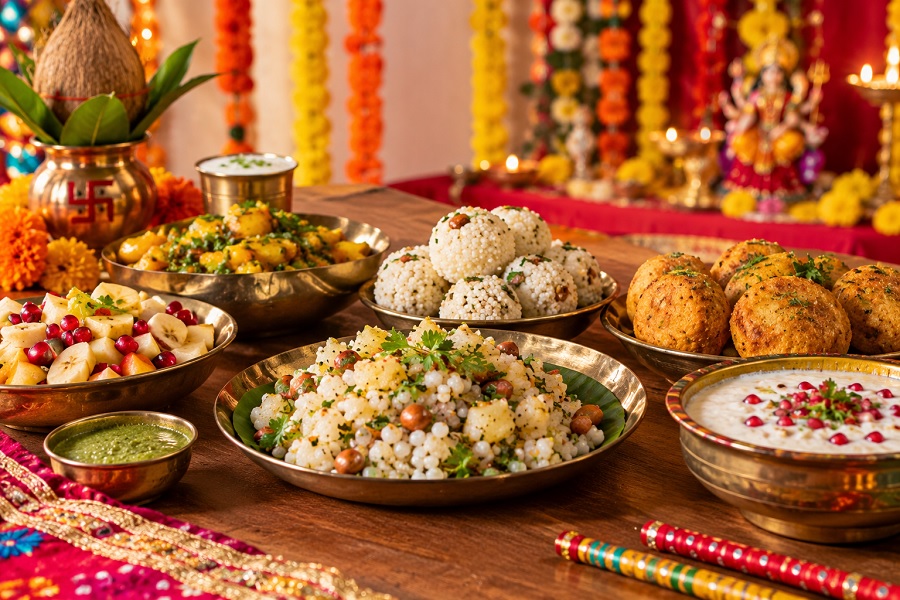
Modak has a strong cultural connection with Lord Ganesha, and it is traditionally offered as a devotional food during Ganesh Chaturthi. In Maharashtra, preparing and sharing modaks is an important part of the festival experience.
For tourists, this provides an opportunity to understand how food connects with family traditions, religious celebrations, local communities, and regional identity.
How Ukadiche Modak Is Traditionally Prepared
Traditional Ukadiche Modak generally uses simple ingredients:
Rice flour
Fresh coconut
Jaggery
Cardamom
Ghee
Water
Optional ingredients such as saffron or nuts
The coconut and jaggery filling is cooked first. Rice flour is then prepared into a soft dough, which is shaped into a thin covering. The filling is placed inside, and the dough is carefully folded into the characteristic pleated modak shape.
Finally, the modaks are steamed until the outer layer becomes soft and cooked.
Modak-Making Workshops for Tourists
One of the most attractive experiences in Ukadiche Modak Tourism is a hands-on cooking workshop.
Visitors can learn:
How to prepare the filling
How to make rice-flour dough
How to create traditional pleats
How to steam modaks
How to serve them traditionally
How different families prepare their own versions
Such workshops can be especially popular with families, international travelers, food enthusiasts, and culinary students.
Exploring Traditional Sweet Shops
Tourists can also explore traditional Maharashtrian sweet shops and local food markets.
A sweet-shop trail can introduce visitors to:
Fresh steamed modaks
Fried modaks
Different fillings
Seasonal sweets
Maharashtrian snacks
Traditional festive foods
This type of food walk allows travelers to discover local businesses while experiencing authentic regional flavors.
Best Time for Ukadiche Modak Tourism
The most popular period is Ganesh Chaturthi, when modaks become widely available across Maharashtra.
However, travelers interested in culinary experiences do not necessarily need to visit only during the festival. Cooking classes, traditional food demonstrations, and Maharashtrian culinary experiences can be organized throughout the year.
Popular Destinations for Modak Experiences
Maharashtra offers many opportunities to explore modak traditions. Potential destinations include:
Mumbai
Pune
Nashik
Kolhapur
Nagpur
Thane
Ratnagiri
Konkan villages
Traditional Maharashtrian food hubs
Rural destinations can offer particularly interesting experiences because visitors may get an opportunity to see home-style preparation and learn directly from local cooks.
Family-Friendly Culinary Tourism
Ukadiche Modak Tourism can be an enjoyable family activity. Parents and children can participate in cooking workshops, shape their own modaks, visit local markets, and learn about Maharashtrian food traditions.
Children can also learn about:
Traditional ingredients
Local cooking methods
Food culture
Festival traditions
The importance of preserving culinary heritage
Modak Tourism and Local Communities
Food tourism can provide opportunities for local communities by creating demand for traditional culinary experiences.
Local women, home cooks, small restaurants, sweet makers, farmers, and food artisans can potentially participate in tourism activities.
Community-based modak experiences may include home cooking, village food tours, workshops, demonstrations, and local ingredient experiences.
Sustainable Ukadiche Modak Tourism
Sustainability can also be incorporated into modak tourism.
Tour operators and culinary businesses can encourage:
Locally sourced ingredients
Seasonal produce
Traditional cooking techniques
Reusable serving equipment
Reduced food waste
Local employment
Small-scale food businesses
Responsible tourism practices
Using locally produced coconut, jaggery, rice flour, and other ingredients can also help connect visitors with regional food systems.
Modern Innovations in Modak Tourism
While traditional Ukadiche Modak remains the main attraction, modern variations are becoming part of culinary exploration.
Tourists may encounter flavors such as:
Chocolate modak
Dry-fruit modak
Mango modak
Saffron modak
Pista modak
Rose modak
Nut-based modak
However, traditional coconut-and-jaggery Ukadiche Modak remains especially important for travelers looking for an authentic Maharashtrian food experience.
Photography and Social Media
Modak-making can also become an attractive food photography experience. The distinctive shape, steaming process, ingredients, and traditional presentation provide plenty of visual opportunities.
Tourism businesses can use social media to showcase:
Modak-making demonstrations
Local food markets
Cooking workshops
Traditional recipes
Festival food experiences
Local culinary artisans
This can help introduce Maharashtrian culinary traditions to a wider audience.
Challenges in Ukadiche Modak Tourism
Despite its potential, this niche tourism segment has some challenges.
These include:
Seasonal demand
Maintaining traditional preparation methods
Training tourism hosts
Food hygiene and safety
Managing large festival crowds
Maintaining consistent quality
Protecting culinary authenticity
Avoiding excessive commercialization
Balancing tourism demand with cultural authenticity will be important for long-term growth.
Future of Ukadiche Modak Tourism
The future of Ukadiche Modak Tourism can extend beyond simply selling sweets. Culinary businesses and tourism operators can develop complete experiences around the dish.
Future possibilities include:
Interactive modak-making classes
Maharashtrian culinary tours
Village food experiences
Ganesh Chaturthi food trails
Traditional cooking demonstrations
Farm-to-table modak experiences
Online cooking experiences
Culinary heritage tours
Family food holidays
International Maharashtrian food workshops
Digital platforms can also help travelers discover local cooks, workshops, food trails, and traditional culinary experiences.
Conclusion
Ukadiche Modak Tourism combines food, culture, tradition, festivals, and local experiences into a memorable culinary journey. From learning the traditional preparation technique to visiting local sweet shops and participating in Ganesh Chaturthi food experiences, travelers can discover an important part of Maharashtra's culinary identity.
With responsible tourism practices, community participation, and authentic cooking experiences, Ukadiche Modak can become a strong attraction within Maharashtra's growing food and beverage tourism sector.