Traditional Family Rituals Around the World
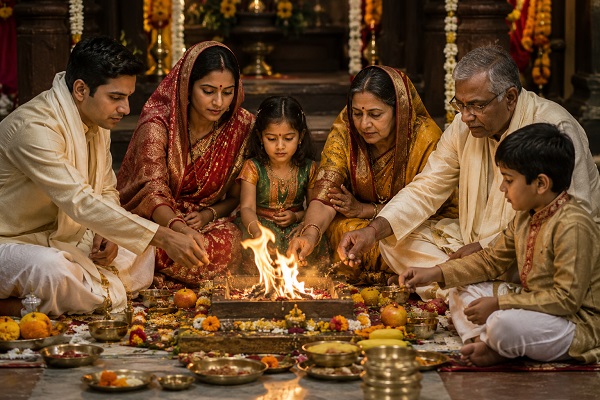
Family rituals are the heartbeat of every culture. Passed down from generation to generation, these traditions strengthen family bonds, preserve cultural identity, and create cherished memories. Across the globe, families celebrate life’s milestones, seasonal festivals, and everyday moments with meaningful customs that reflect their heritage and values. From tea ceremonies in Asia to festive family feasts in Europe, traditional rituals continue to unite people despite the fast pace of modern life.
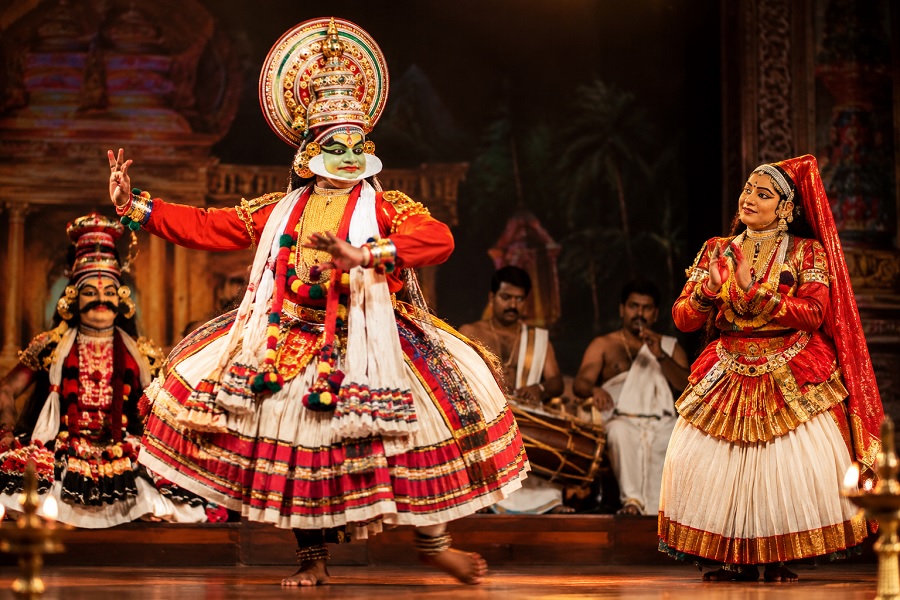
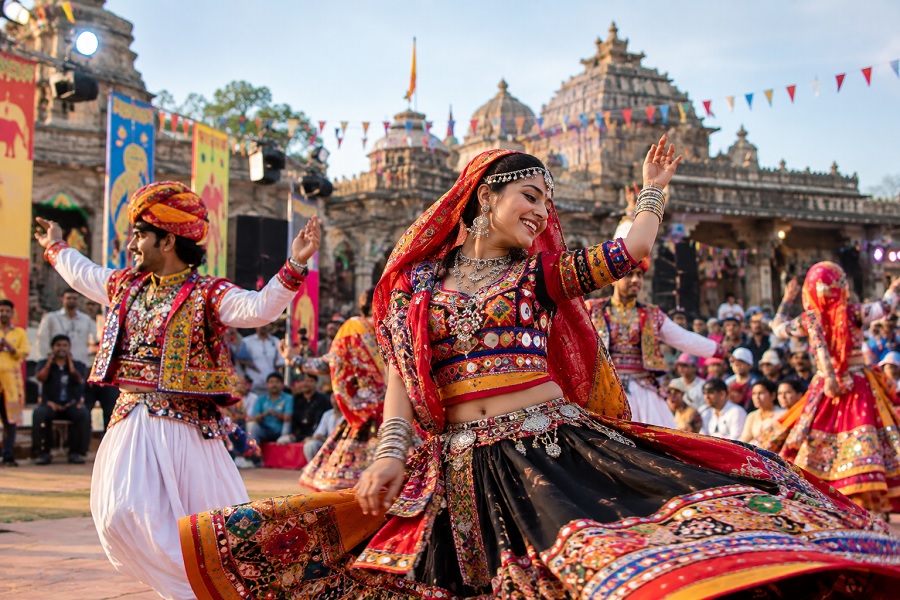
In many Asian countries, family rituals are deeply connected to respect for elders and ancestors. In Japan, families celebrate the New Year with traditional meals, shrine visits, and gatherings that symbolize renewal and gratitude. In India, festivals such as Diwali, Pongal, and Raksha Bandhan bring relatives together through prayers, food, gifts, and storytelling. Chinese families honor ancestors during Qingming Festival by cleaning gravesites and offering food as a sign of remembrance and respect.
European cultures also treasure family-centered traditions. In Italy, Sunday family lunches are a cherished ritual where multiple generations gather around homemade meals and lively conversations. In Scandinavian countries, cozy family gatherings during winter, often known as “hygge,” focus on warmth, candles, comfort food, and togetherness. In Eastern Europe, holiday rituals often include traditional songs, handcrafted decorations, and recipes preserved for centuries.
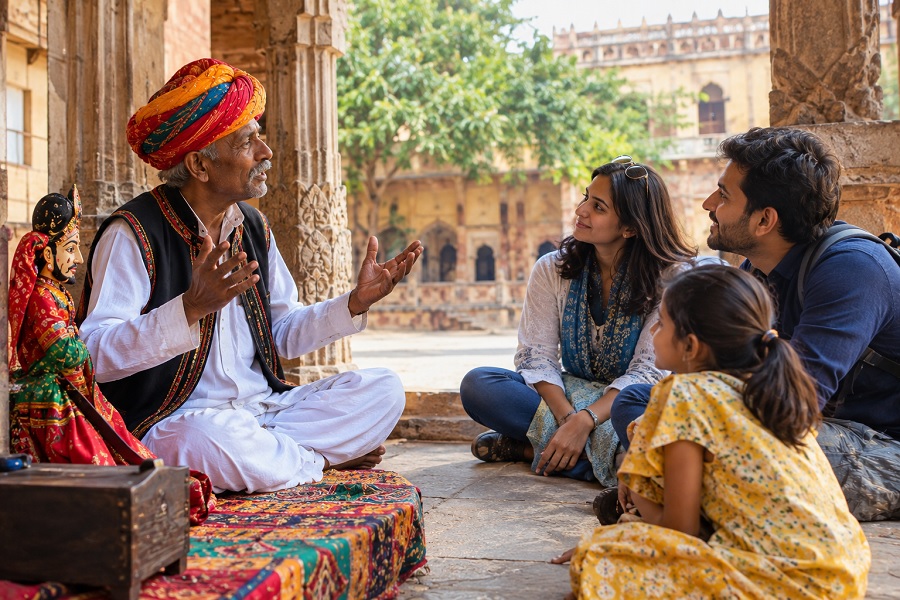
African family rituals emphasize community, storytelling, and connection with heritage. Many African communities celebrate births, weddings, and coming-of-age ceremonies with music, dance, and symbolic customs. Elders play an important role in passing wisdom to younger generations through oral traditions and family gatherings. These rituals strengthen identity and social unity while honoring ancestors and cultural roots.
In Latin America, family traditions are vibrant and emotional. Celebrations such as Día de los Muertos in Mexico bring families together to honor loved ones who have passed away. Families create colorful altars with flowers, candles, photographs, and favorite foods of the deceased, turning remembrance into a joyful celebration of life and legacy. Across the region, music, dance, and shared meals remain central to family rituals.
Middle Eastern cultures are known for their warm hospitality and close-knit family structures. Rituals often revolve around communal meals, religious observances, and welcoming guests. During Ramadan, families gather each evening for iftar meals, strengthening spiritual and emotional connections. Weddings and family celebrations are grand affairs filled with traditional music, attire, and cultural pride.
Indigenous communities around the world maintain sacred family rituals closely tied to nature and spirituality. Ceremonies celebrating the seasons, harvests, and life transitions are often accompanied by traditional songs, storytelling, and handcrafted art. These customs preserve ancestral knowledge while reinforcing respect for the environment and community values.
Modern lifestyles may change how families live, but traditional rituals continue to adapt and survive. Whether it is sharing recipes, celebrating festivals, or gathering for weekly meals, these customs provide comfort, continuity, and belonging. In an increasingly digital world, family rituals remind people of the importance of connection, heritage, and shared experiences.
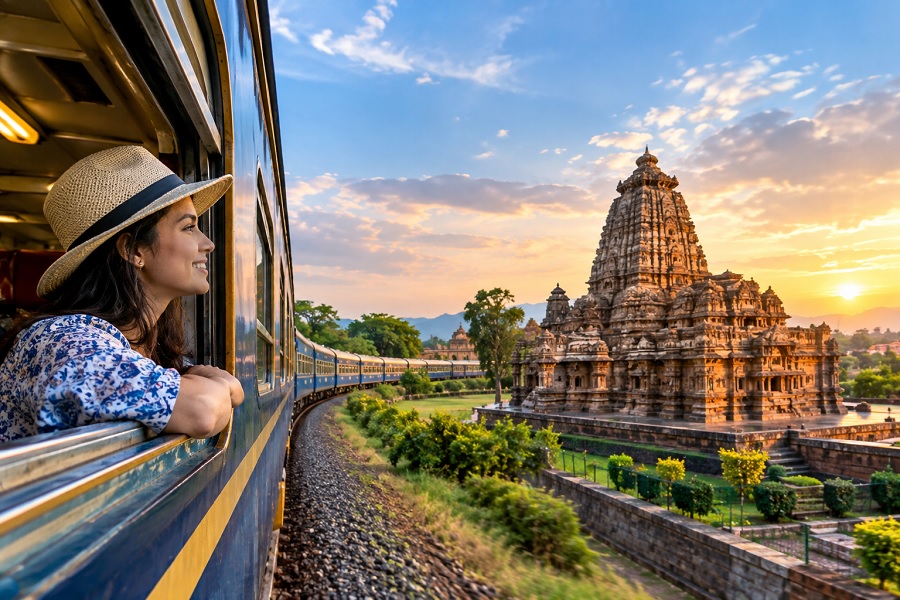
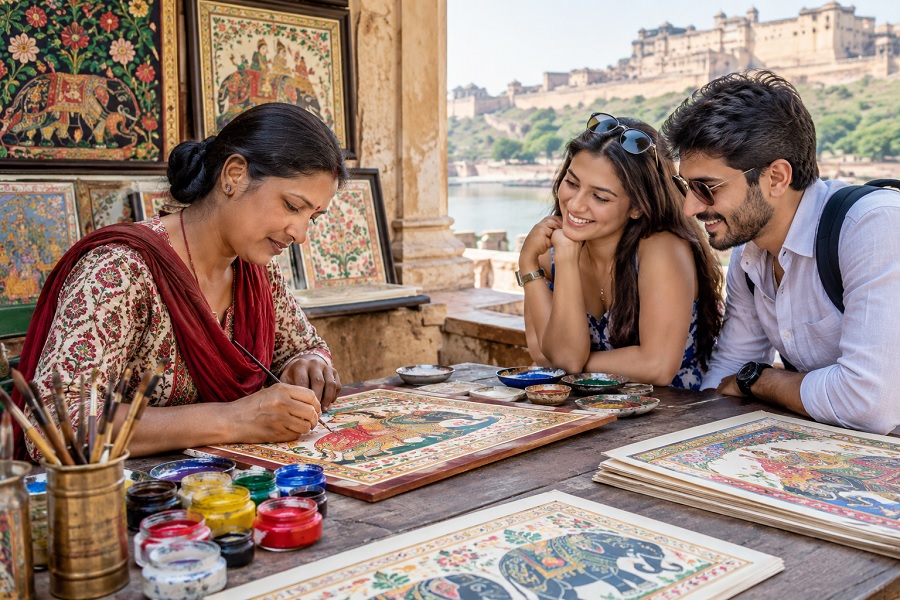
Travelers interested in cultural tourism often seek opportunities to witness or respectfully participate in traditional family customs. Experiencing local festivals, family-run homestays, and community celebrations allows visitors to understand cultures on a deeper level. These authentic interactions create meaningful travel experiences while helping preserve cultural traditions for future generations.
Traditional family rituals are more than customs; they are living expressions of love, identity, and cultural memory. They connect the past with the present and teach future generations the values that shape communities around the world. As global cultures continue to evolve, these rituals remain a powerful reminder that family and tradition are universal bonds shared by humanity.