The rise of connected vehicles and smart dashboards
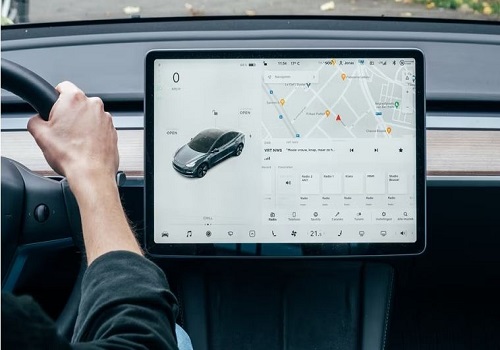
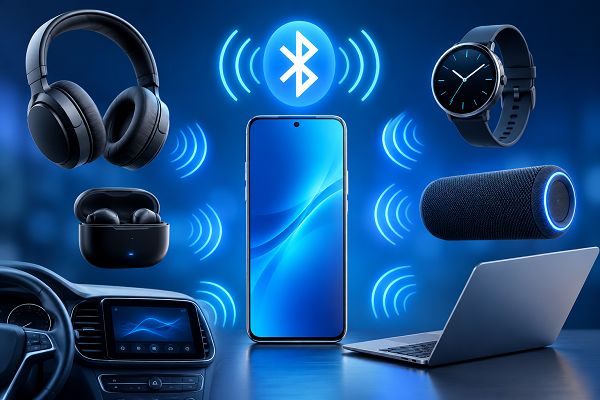
The modern vehicle is no longer just a machine that moves you from one place to another—it’s becoming an intelligent, connected space that interacts with your digital life. The rise of connected vehicles and smart dashboards reflects a broader shift where cars and bikes are evolving into extensions of our smartphones, habits, and preferences.
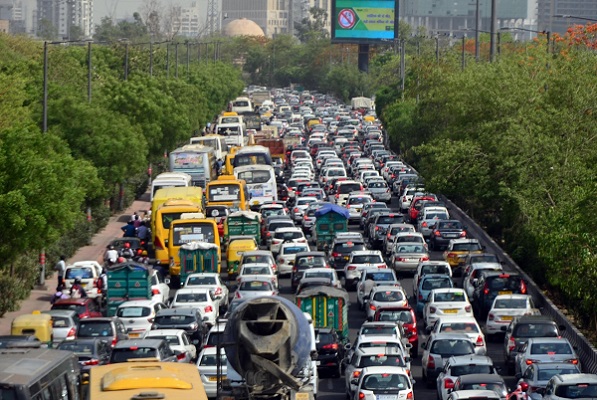
At the center of this transformation is connectivity. Today’s vehicles are increasingly equipped with internet access, sensors, and software systems that allow them to communicate with other devices, infrastructure, and even other vehicles. This connectivity enables features like real-time navigation updates, traffic predictions, remote diagnostics, and over-the-air software updates. Instead of being static machines, vehicles are now continuously improving and adapting over time.
Smart dashboards play a crucial role in this evolution. Traditional dashboards once focused only on speed, fuel levels, and basic indicators. In contrast, modern dashboards are interactive digital hubs. Touchscreens, voice controls, and customizable interfaces allow drivers to manage navigation, entertainment, calls, and vehicle settings seamlessly. The goal is not just convenience, but also reducing distraction by making interactions more intuitive and accessible.
One of the biggest advantages of connected vehicles is personalization. Drivers can set preferences for seat position, climate control, music, and even driving modes. Over time, systems can learn behavior patterns and make automatic adjustments. This creates a more comfortable and tailored driving experience, where the vehicle feels less like a tool and more like a responsive environment.
Safety is another major area where connectivity is making an impact. Advanced driver-assistance systems can provide alerts for lane departures, blind spots, and potential collisions. Some systems can even take corrective action in critical situations. With connected technology, vehicles can also share information about road conditions, accidents, or hazards, helping drivers make safer decisions in real time.
However, this shift also raises important questions. As vehicles become more connected, concerns around data privacy and cybersecurity grow. A car that collects and transmits data must be protected against misuse or unauthorized access. Manufacturers and users alike need to take these risks seriously to ensure that convenience does not come at the cost of security.
Another challenge is the balance between technology and simplicity. While smart dashboards offer many features, too much complexity can overwhelm drivers. The most successful systems are those that simplify interaction rather than complicate it—where technology supports the driving experience without becoming a distraction.
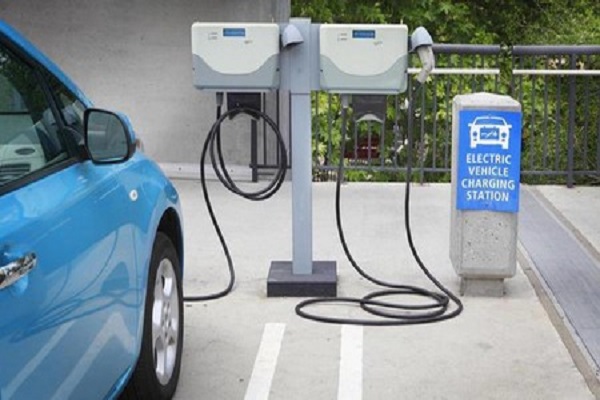
Looking ahead, connected vehicles are likely to become even more integrated with smart cities and digital ecosystems. Traffic systems, parking infrastructure, and navigation networks may all communicate seamlessly with vehicles, creating smoother and more efficient travel experiences. For bikes, especially in urban environments, similar smart integrations could enhance safety and navigation while keeping the riding experience lightweight and intuitive.
In the end, the rise of connected vehicles and smart dashboards is about more than innovation—it’s about redefining how we interact with mobility. As technology continues to evolve, vehicles will not just take us to our destinations; they will actively shape the journey itself.