How to Improve Bike Mileage: Simple Tips to Get More Kilometres Per Litre
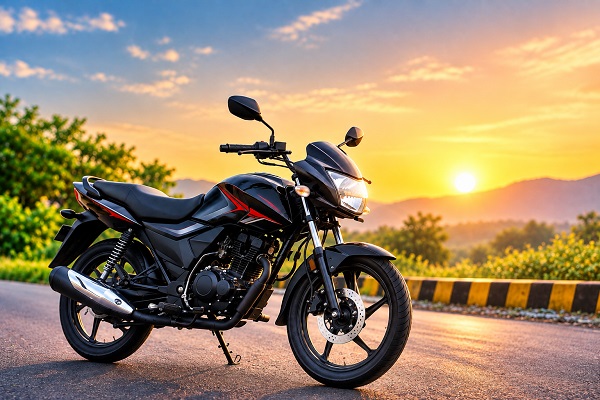
Fuel prices can make daily commuting expensive, especially for people who regularly use their bikes. The good news is that riding habits, regular maintenance and proper tyre care can make a noticeable difference to fuel efficiency.
You do not necessarily need a new bike to improve mileage. A few simple changes in the way you ride and maintain your motorcycle can help you get more kilometres from every litre of fuel.
1. Maintain a Steady Riding Speed
Constantly accelerating and braking can increase fuel consumption. Try to maintain a steady speed whenever traffic conditions allow.
Smooth riding puts less stress on the engine and can help improve fuel efficiency.
2. Avoid Unnecessary Hard Acceleration
Sudden acceleration may feel exciting, but it generally requires more fuel. Instead, accelerate gradually and smoothly.
This is particularly useful during daily city commuting, where frequent stops and starts are common.
3. Use the Correct Gear
Riding in the wrong gear can affect both performance and mileage.
Avoid excessively low gears at high speeds and avoid forcing the engine to work hard in a high gear at very low speeds. Shift gears smoothly according to the road and engine conditions.
4. Maintain Correct Tyre Pressure
Tyre pressure has a direct effect on rolling resistance. Under-inflated tyres can make the engine work harder and may reduce fuel efficiency.
Check your tyre pressure regularly and follow the pressure recommended by the motorcycle manufacturer.
5. Service Your Bike Regularly
Regular servicing helps keep important components working properly.
Engine oil, air filters, spark plugs, fuel systems and other components should be inspected according to the manufacturer's service schedule.
6. Replace a Dirty Air Filter
The engine needs a proper supply of clean air for efficient combustion. A clogged or excessively dirty air filter can affect engine performance and fuel economy.
Have the filter inspected during routine servicing and replace or clean it as recommended for your particular bike.
7. Use the Recommended Engine Oil
Engine oil reduces friction between moving components inside the engine. Using the correct grade and specification recommended by the manufacturer helps the engine operate efficiently.
Avoid choosing engine oil solely because it is cheaper or more expensive.
8. Keep the Chain Properly Maintained
For motorcycles with a chain drive, chain condition can affect efficiency and smoothness.
Keep the chain properly lubricated and adjusted according to the manufacturer's recommendations. A chain that is excessively loose, tight or poorly maintained can increase mechanical losses.
9. Avoid Carrying Unnecessary Weight
Extra weight means the engine has to work harder, particularly during acceleration and uphill riding.
Remove unnecessary items from the bike or storage compartments when they are not required.
10. Reduce Unnecessary Idling
Leaving the engine running while waiting for long periods wastes fuel.
If you are stopped for an extended period and it is safe and appropriate to do so, switching off the engine can help reduce unnecessary fuel consumption.
11. Plan Your Routes
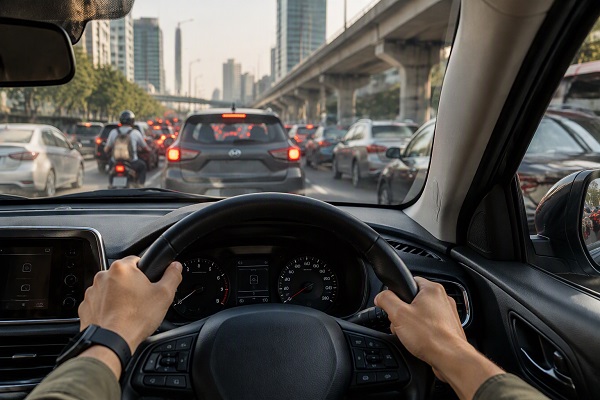
Traffic congestion, frequent stops and short trips can negatively affect mileage.
Using a route with smoother traffic flow can sometimes be more fuel-efficient than taking a shorter but heavily congested route.
12. Avoid Frequent Short Trips
Very short journeys may not allow the engine to operate under ideal conditions for long enough.
Whenever practical, combine multiple nearby errands into one trip instead of making several separate journeys.
13. Keep Your Bike Clean and Well Maintained
Regular cleaning is not just about appearance. It also gives you an opportunity to notice issues such as damaged tyres, loose components, chain problems or leaks.
A well-maintained motorcycle is generally more likely to deliver consistent performance.
14. Avoid Aggressive Riding
Frequent high-speed acceleration, sudden braking and rapid lane changes can increase fuel consumption.
A smooth and predictable riding style is usually better for mileage as well as safety.
15. Check for Mechanical Problems
A sudden drop in mileage should not always be blamed on riding habits.
Problems involving the engine, brakes, tyres, fuel system, clutch or drivetrain can affect efficiency. If your bike's mileage suddenly falls, get it inspected by a qualified technician.
16. Use Good-Quality Fuel From Reliable Stations
Buying fuel from a reliable fuel station can help reduce the risk of fuel-quality-related problems.
Avoid making fuel choices solely based on assumptions about which fuel will automatically provide better mileage. Follow your motorcycle manufacturer's recommendations.
17. Do Not Modify the Bike Just for Mileage
Aftermarket exhausts, air filters, performance modifications and other changes can alter the way a motorcycle operates.
Some modifications may negatively affect fuel efficiency or engine performance. Before making changes, consider their impact on the bike as a whole.
18. Track Your Actual Mileage
One of the easiest ways to understand your bike's fuel efficiency is to track it over several refuelling cycles.
Fill the tank, record the distance travelled and calculate the fuel consumed. Avoid judging mileage based only on a single short trip.
How to Calculate Bike Mileage
You can calculate mileage using a simple formula:
**Mileage = Distance Travelled ÷ Fuel Consumed**
For example, if your bike travels 450 km after using 10 litres of fuel:
**450 ÷ 10 = 45 km/l**
Tracking this over multiple trips gives you a better idea of your bike's real-world fuel efficiency.
Conclusion
Improving bike mileage is mostly about combining good riding habits with regular maintenance. Smooth acceleration, correct gear usage, proper tyre pressure, timely servicing and good chain maintenance can all contribute to better fuel efficiency.
Most importantly, do not sacrifice safety just to save fuel. Ride at a sensible speed, maintain your motorcycle properly and focus on consistent riding habits. Over time, these small changes can help reduce fuel costs while keeping your bike running smoothly.