Car Maintenance Tips for Beginners: A Complete Guide to Keeping Your Car in Good Condition
Owning a car brings convenience, comfort and freedom, but maintaining it properly is equally important. Regular car maintenance helps improve vehicle performance, maintain fuel efficiency and reduce the chances of unexpected breakdowns. For beginners, understanding basic car care practices can make vehicle ownership easier and more affordable.
You do not need to be a professional mechanic to take care of your car. By following a few simple maintenance habits and checking important components regularly, you can keep your vehicle in good condition for years.
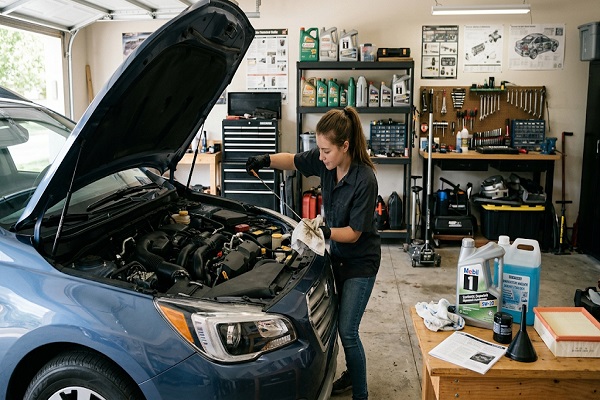
1. Check Engine Oil Regularly
Engine oil plays an important role in keeping the engine components lubricated and reducing friction. Over time, engine oil becomes dirty and loses its effectiveness.
Beginners should check the engine oil level according to the vehicle manufacturer's instructions. If the oil level is low, top it up using the recommended grade. Also, follow the scheduled oil replacement intervals mentioned in the owner's manual.
Using the correct engine oil helps maintain smooth engine performance and supports long-term engine health.
2. Maintain Proper Tyre Pressure
Tyres are among the most important safety components of a car. Incorrect tyre pressure can affect handling, braking performance and fuel efficiency.
Check tyre pressure regularly, preferably when the tyres are cold. Follow the recommended pressure mentioned in the owner's manual or on the vehicle's tyre information sticker.
Also, inspect tyres for cuts, cracks, uneven wear and other visible damage. Proper tyre maintenance improves driving stability and helps extend tyre life.
3. Keep the Car Battery in Good Condition
The car battery supplies electrical power to start the engine and operate various electronic systems.
Beginners should periodically check the battery for signs of corrosion around the terminals, loose connections or physical damage. If the car takes longer than usual to start or the headlights become unusually dim, the battery may need inspection.
Most modern batteries require limited maintenance, but regular checks can help prevent unexpected starting problems.
4. Inspect the Braking System
A properly functioning braking system is essential for safe driving. Pay attention to unusual sounds, vibrations or changes in brake pedal response.
Common warning signs include:
Squeaking or grinding noises while braking
A soft or unusually hard brake pedal
Vibrations during braking
The car taking longer to stop
A brake warning light on the dashboard
If you notice any of these symptoms, get the braking system inspected by a qualified mechanic. Never ignore possible brake-related problems.
5. Replace Air Filters When Required
A car generally has an engine air filter that prevents dust and other particles from entering the engine. Many vehicles also have a cabin air filter that helps keep dust and pollutants out of the passenger compartment.
A dirty engine air filter can affect engine performance, while a clogged cabin filter may reduce airflow from the air-conditioning system.
Check both filters according to the manufacturer's maintenance schedule and replace them when necessary.
6. Monitor Coolant Levels
Coolant helps regulate engine temperature and prevents overheating. Maintaining the correct coolant level is important, particularly during hot weather and long journeys.
Check the coolant level in the reservoir when the engine is completely cool. If the level is consistently low, there may be a leak or another cooling-system issue.
Never open the radiator cap when the engine is hot, as pressurised hot coolant can cause serious burns. Always use the coolant recommended by the manufacturer.
7. Take Care of Your Car's Exterior
Regular cleaning helps protect your car's paintwork and maintain its appearance. Dust, mud, bird droppings and other contaminants can affect the exterior if left for long periods.
Some simple car-cleaning habits include:
Wash the car using automotive cleaning products.
Use a soft microfiber cloth to avoid scratches.
Clean the windows and mirrors regularly.
Remove bird droppings and stubborn dirt promptly.
Apply suitable car wax or paint protection when required.
Parking in a shaded or covered area can also help protect the vehicle from excessive sunlight and environmental exposure.
8. Maintain the Car's Interior
A clean interior makes every journey more comfortable. Dust, food particles and moisture can accumulate inside the cabin over time.
Vacuum the seats, carpets and floor mats regularly. Clean the dashboard and other interior surfaces using suitable products. Avoid applying harsh chemicals to delicate materials.
Also, keep the air-conditioning vents clean and replace the cabin air filter according to the recommended schedule.
9. Check All Vehicle Lights
Headlights, tail lights, brake lights, indicators and reverse lights are essential for visibility and communication with other road users.
Check that all lights are working correctly. Replace damaged or non-functional bulbs promptly and keep the light covers clean.
Properly functioning lights are particularly important when driving at night, during rain or in low-visibility conditions.
10. Follow the Scheduled Service Plan
Every car comes with a manufacturer's recommended maintenance schedule. It generally includes periodic inspections, oil changes, filter replacements and checks of important mechanical components.
Follow the service intervals mentioned in the owner's manual. Do not delay scheduled servicing simply because the car appears to be running normally.
Maintaining service records can also help you track repairs, replacements and maintenance expenses.
11. Pay Attention to Dashboard Warning Lights
Modern cars use dashboard warning lights to inform drivers about potential issues. Beginners should understand the meaning of common warning symbols.
Some important warning indicators include:
Engine warning light: May indicate an engine or emissions-related issue.
Battery warning light: Can indicate a charging-system problem.
Oil pressure warning light: May signal dangerously low engine oil pressure.
Coolant temperature warning light: Indicates that the engine may be overheating.
ABS warning light: May indicate a problem with the anti-lock braking system.
Tyre pressure warning light: Indicates that one or more tyres may have incorrect pressure.
If a red warning light appears, stop safely when appropriate and follow the instructions in the owner's manual. Do not continue driving if doing so could cause damage or create a safety risk.
12. Drive Smoothly to Reduce Wear and Tear
Driving habits have a direct impact on vehicle maintenance. Aggressive acceleration, sudden braking and unnecessarily high engine speeds can increase wear on different components.
For better vehicle care:
Accelerate gradually.
Maintain a safe following distance.
Avoid unnecessary hard braking.
Follow the recommended gear and speed practices.
Avoid carrying unnecessary heavy loads.
Do not ignore unusual noises or vibrations.
Smooth driving can help reduce unnecessary stress on the engine, brakes, tyres and suspension.
13. Prepare Your Car for Different Weather Conditions
Weather conditions can affect vehicle performance and maintenance requirements.
During summer, monitor the cooling system, tyre pressure and air-conditioning performance. During the monsoon, check the wipers, brakes, tyres and lights. In winter, pay attention to battery performance and visibility.
If you regularly drive through areas with heavy rainfall, inspect the tyres and ensure the windshield wipers are in good condition.
14. Keep an Emergency Car Kit
Every car owner should keep a basic emergency kit inside the vehicle. It can be useful when unexpected situations occur during a journey.
Some useful items include:
First-aid kit
Reflective warning triangle
Spare tyre and jack
Tyre pressure gauge
Portable tyre inflator
Jumper cables or a suitable jump starter
Flashlight
Basic tools
Drinking water
Also, keep roadside assistance contact details and important vehicle documents accessible.
15. Learn When to Visit a Professional Mechanic
Basic maintenance can be handled by car owners, but certain repairs require professional knowledge and equipment.
Engine repairs, transmission problems, brake-system repairs, electrical faults and suspension issues should be inspected by trained technicians.
If you notice fluid leaks, excessive smoke, unusual engine sounds or repeated warning lights, arrange a professional inspection rather than attempting complicated repairs yourself.
Conclusion
Car maintenance does not have to be complicated, even for beginners. Regularly checking engine oil, tyre pressure, battery condition, coolant levels, brakes and vehicle lights can help keep your car safe and reliable.
Following the manufacturer's service schedule and developing good driving habits are equally important. With consistent care and timely professional inspections, car owners can reduce unexpected repair expenses and enjoy a smoother driving experience.