Automotive Industry: How Innovation Is Transforming the Future of Cars
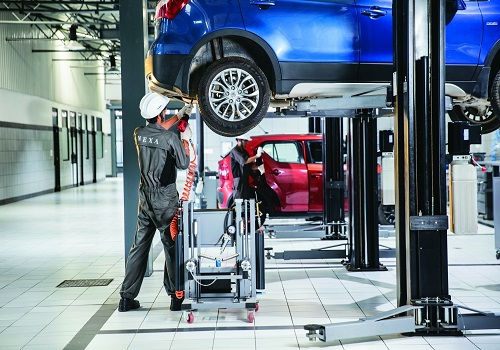
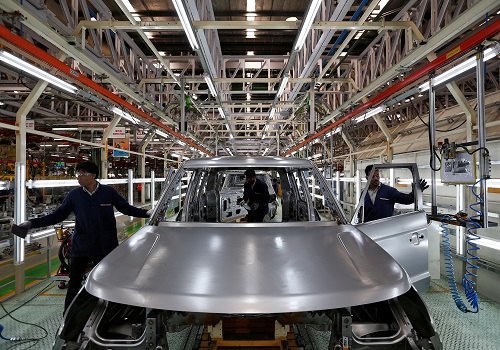
The automotive industry is experiencing a major transformation as technological advancements, changing consumer expectations and environmental concerns reshape the future of mobility. Cars are no longer viewed simply as modes of transportation. They are becoming smarter, more connected and increasingly focused on safety, efficiency and driving comfort.
Electric Vehicles Are Changing the Market
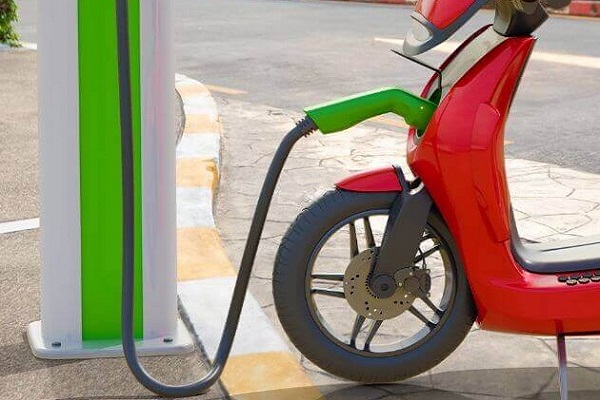
Electric vehicles (EVs) are gaining attention as automakers explore alternatives to conventional petrol and diesel-powered cars. Improvements in battery technology, charging infrastructure and vehicle performance are helping make electric mobility more accessible.
Governments and automotive manufacturers are also investing in cleaner transportation solutions. However, battery costs, charging availability, driving range and affordability remain important factors influencing consumer adoption.
Smart Technology Is Redefining Driving
Modern vehicles are increasingly equipped with advanced technologies designed to improve convenience and safety. Features such as touchscreen infotainment systems, connected car applications, voice commands, digital instrument clusters and smartphone integration are becoming more common.
Advanced Driver Assistance Systems (ADAS) are another important development. Features such as adaptive cruise control, lane departure warnings, automatic emergency braking and blind-spot monitoring can help drivers identify potential risks and improve road safety.
Changing Consumer Preferences
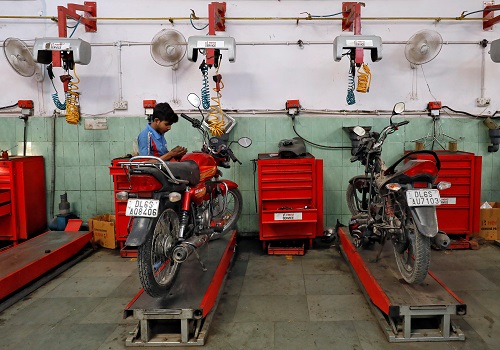
Car buyers are increasingly looking beyond engine performance and exterior design. Fuel efficiency, maintenance costs, comfort, safety ratings and resale value are becoming important considerations when purchasing a vehicle.
SUVs continue to attract attention among consumers seeking spacious interiors, higher ground clearance and versatile driving capabilities. At the same time, hatchbacks and sedans remain relevant for buyers prioritising affordability, manoeuvrability and everyday practicality.
The Rise of Connected and Autonomous Mobility
Connected car technology is transforming the driving experience by allowing vehicles to communicate with smartphones, navigation systems and cloud-based services. Real-time vehicle diagnostics, remote access and location-based assistance are improving convenience for drivers.
Automakers are also exploring autonomous driving technologies that could eventually reduce the need for continuous human intervention. While fully autonomous mobility still faces technological, regulatory and safety challenges, developments in vehicle automation are shaping the industry's long-term direction.
Sustainability Beyond Electric Vehicles
Sustainability in the automotive sector extends beyond electric powertrains. Manufacturers are exploring lightweight materials, recyclable components, energy-efficient production processes and improved battery recycling methods.
These initiatives can help reduce the environmental impact of vehicle manufacturing and ownership. Improving the efficiency of conventional engines and hybrid technologies also remains relevant during the transition towards cleaner mobility.
What Lies Ahead for the Automotive Industry?
The future of the automotive industry will depend on how effectively manufacturers combine technological innovation, affordability, safety and sustainability. Electric mobility, connected features and intelligent safety systems are expected to remain important areas of development.
As consumer expectations continue to evolve, automakers that deliver reliable, efficient and technologically advanced vehicles will be better positioned to compete in an increasingly dynamic automotive market.