How Weather Affects Your Vehicle
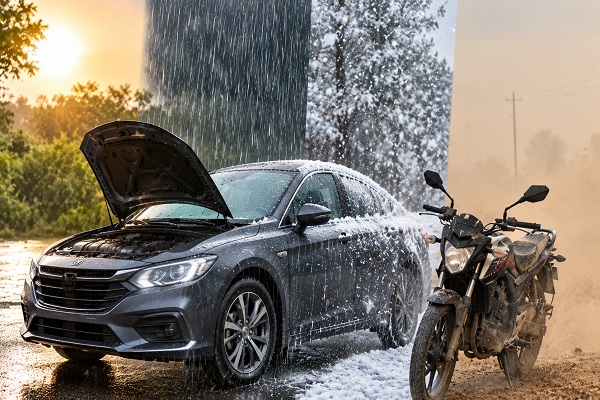
Weather plays a far greater role in your vehicle's performance than many drivers realize. From scorching summer temperatures and heavy monsoon rains to chilly winter mornings and dusty conditions, every season presents unique challenges that can impact your car or motorcycle. While modern vehicles are designed to withstand varying climates, regular maintenance and weather-specific care are essential for ensuring safety, reliability, and long-term performance.
Understanding how different weather conditions affect your vehicle can help prevent costly repairs and keep every journey smooth and safe.
Hot Weather Can Strain Your Engine
High temperatures increase the workload on your vehicle's cooling system. As the engine generates heat during operation, the radiator, coolant, and cooling fan work together to maintain an optimal operating temperature. During extremely hot days, these components are placed under greater stress.
Low coolant levels, worn hoses, or a faulty radiator can cause the engine to overheat, potentially leading to expensive repairs. Drivers should regularly inspect coolant levels and ensure the cooling system is serviced according to the manufacturer's recommendations.
Parking in shaded areas and using windshield sunshades can also help reduce cabin temperatures and protect interior materials from sun damage.
Batteries Suffer in Extreme Temperatures
Many people associate battery problems with winter, but intense summer heat can be equally damaging. High temperatures accelerate the chemical reactions inside a battery, shortening its lifespan and increasing the risk of failure.
Corroded terminals, weak charging systems, or an aging battery are more likely to cause starting problems during extreme weather.
Routine battery inspections and replacing older batteries before they fail can prevent unexpected breakdowns.
Rain Reduces Traction and Visibility
Monsoon weather creates some of the most challenging driving conditions. Wet roads reduce tire grip, increasing braking distances and the risk of skidding or hydroplaning.
Heavy rainfall also limits visibility, making it more difficult to spot pedestrians, road hazards, and other vehicles.
To improve safety during rainy conditions:
* Maintain adequate tire tread depth.
* Replace worn windshield wipers regularly.
* Ensure headlights and brake lights function properly.
* Reduce speed and maintain a greater following distance.
* Avoid sudden braking or sharp steering inputs on wet roads.
Proper tire pressure and regular brake inspections become even more important during the rainy season.
Cold Weather Affects Mechanical Performance
Although severe winters are uncommon in many regions, lower temperatures can still affect vehicle performance. Engine oil becomes thicker, batteries produce less power, and tire pressure naturally decreases as temperatures drop.
Allowing the engine to warm up briefly before driving and maintaining recommended tire pressure can improve both performance and fuel efficiency.
For motorcycles, checking chain lubrication during colder months also helps ensure smooth operation.
Tires Respond to Temperature Changes
Tires are the only point of contact between your vehicle and the road. Their performance changes with temperature fluctuations.
Hot roads accelerate tire wear, while cold weather causes tire pressure to drop. Underinflated tires reduce fuel efficiency, affect handling, and increase the risk of tire failure.
Checking tire pressure at least once a month—and before long trips—is one of the simplest ways to improve both safety and performance.
Humidity and Moisture Can Lead to Corrosion
Constant exposure to rainwater, humidity, and standing water can accelerate rust formation, particularly underneath the vehicle.
Metal components, brake lines, suspension parts, and the exhaust system are especially vulnerable if moisture is left untreated.
Regular washing, especially after driving through muddy or flooded roads, helps remove dirt, salt, and contaminants that contribute to corrosion.
Applying protective coatings can further improve long-term durability.
Air Conditioning Works Harder During Summer
During hot weather, the air conditioning system operates for longer periods, placing additional load on both the engine and compressor.
Weak cooling performance may indicate low refrigerant levels, clogged cabin air filters, or compressor issues.
Servicing the air conditioning system before peak summer months improves comfort and prevents unnecessary strain on the vehicle.
Fuel Efficiency Changes with Weather
Weather conditions also influence fuel consumption. Hot temperatures often require increased air conditioning use, while cold weather causes engines to consume more fuel before reaching their ideal operating temperature.
Rain, strong headwinds, and poor road conditions also reduce overall efficiency by increasing rolling resistance and engine workload.
Maintaining steady speeds, avoiding aggressive acceleration, and keeping tires properly inflated can help improve fuel economy throughout the year.
Seasonal Maintenance Is Essential
Rather than waiting for problems to appear, proactive seasonal maintenance helps prevent breakdowns.
A comprehensive inspection should include:
* Engine oil and coolant levels
* Battery health
* Tire pressure and tread depth
* Brake performance
* Windshield wipers and washer fluid
* Lights and indicators
* Air conditioning system
* Belts and hoses
Regular servicing not only improves reliability but also extends the lifespan of important vehicle components.
Final Thoughts
Weather is an unavoidable part of driving, but its impact on your vehicle doesn't have to be costly. By understanding how heat, rain, cold, and humidity affect various systems, drivers can take simple preventive measures that improve safety, performance, and reliability.
Routine maintenance, careful driving habits, and seasonal inspections are the keys to protecting your investment and ensuring your vehicle remains ready for every journey—regardless of the weather.
Whether you drive a compact city car, an SUV, or a motorcycle, preparing for changing weather conditions is one of the smartest steps you can take toward safer and more enjoyable driving.