How Much Should You Spend on a Car?
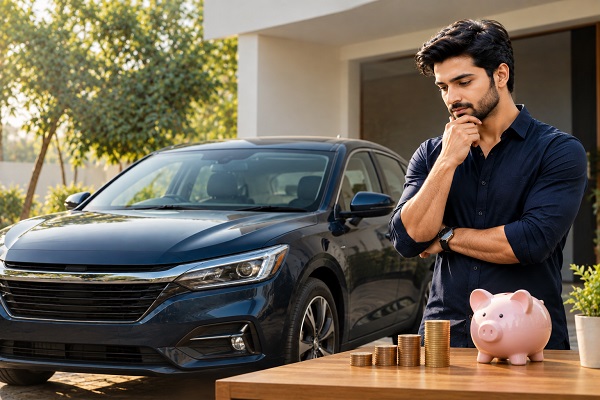
Buying a car is a major financial decision, and it is easy to focus only on the showroom price or monthly EMI. However, the real cost of owning a car includes insurance, fuel, maintenance, taxes, parking, and depreciation.
A good car budget should allow you to enjoy your vehicle without putting unnecessary pressure on your finances.
Consider Your Monthly Income
Your income is one of the most important factors when deciding how much to spend on a car. Instead of choosing a car based on the maximum loan amount available to you, consider what you can comfortably afford every month.
A commonly used approach is to keep your total car-related expenses within a manageable portion of your monthly take-home income.
Don't Look Only at the EMI
A low EMI does not necessarily mean that a car is affordable. A longer loan tenure can reduce the monthly payment while increasing the total interest paid.
Before buying, calculate the complete monthly cost, including:
* Car EMI
* Fuel expenses
* Insurance
* Regular servicing
* Repairs and maintenance
* Parking charges
* Tolls
* Registration and other ownership costs
Keep a Down Payment Ready
Making a reasonable down payment can reduce the amount you need to borrow. A larger down payment generally means a lower EMI and less interest paid over the life of the loan.
However, avoid using all your savings for the down payment. You should still have enough money available for emergencies and other financial goals.
Consider the 20/4/10 Rule
The 20/4/10 rule is a popular budgeting guideline for car buyers. It suggests making a down payment of around 20%, keeping the loan tenure to four years or less, and limiting monthly transportation costs to around 10% of gross monthly income.
It is not a universal rule, but it can be used as a starting point when evaluating affordability.
Think About Your Other Financial Goals
A car should not come at the expense of important financial priorities. Before purchasing one, consider whether you are already saving for retirement, building an emergency fund, investing regularly, or paying off existing debt.
If buying a particular car prevents you from making progress toward these goals, choosing a less expensive model may be the smarter decision.
New Car or Used Car?
A used car can provide better value if you want to keep your purchase cost lower. However, you should carefully check the vehicle's condition, service history, insurance records, mileage, and potential repair requirements.
A new car usually offers more predictable maintenance during the early years but generally costs more upfront.
Factor in Depreciation
Cars lose value over time, and depreciation is one of the biggest costs of ownership. Some vehicles retain their resale value better than others.
If you plan to change cars after a few years, resale value should be part of your buying decision.
Choose Based on Your Usage
The right budget also depends on how you plan to use the vehicle. Someone who drives mainly within the city may not need an expensive SUV, while someone who regularly travels long distances may value comfort, safety, space, and fuel efficiency more.
Think about your actual driving requirements rather than buying features you may rarely use.
Avoid Stretching Your Budget for Features
Premium variants often come with additional features, but not every feature is essential. Compare different variants and identify which safety, comfort, and technology features genuinely matter to you.
A slightly cheaper variant that meets your requirements can leave more room in your monthly budget.
Build a Car Ownership Budget
Before visiting a dealership, calculate the estimated five-year cost of ownership. Include the purchase price, loan interest, insurance, fuel, servicing, maintenance, parking, and expected resale value.
This gives you a much clearer picture of what the car will actually cost.
Final Thoughts
There is no single car price that is right for everyone. The ideal budget depends on your income, savings, existing debt, lifestyle, driving needs, and long-term financial goals.
Instead of asking **"How expensive a car can I buy?"**, ask **"How much can I comfortably afford while still meeting my other financial goals?"**
A car should make your life easier-not create financial stress.