Gen Z and the New Definition of Lifestyle
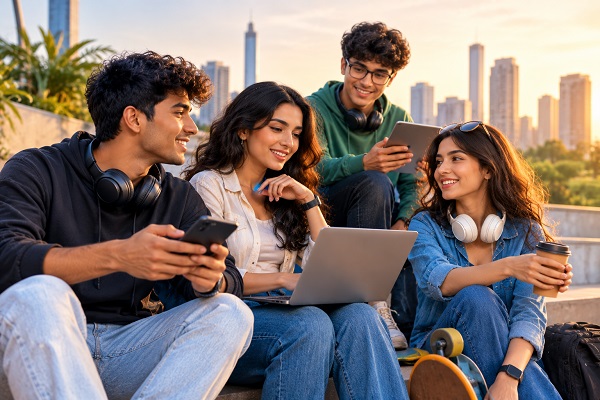
Generation Z is changing the way people think about modern living. Born into a world of smartphones, social media, streaming platforms and instant connectivity, Gen Z has developed a lifestyle that looks very different from previous generations.
For this generation, lifestyle is no longer simply about owning expensive products, following traditional career paths or maintaining a particular social image. Instead, experiences, flexibility, personal identity, financial independence, digital convenience and mental well-being are becoming equally important.
A Digital-First Generation
Technology is deeply integrated into everyday Gen Z life.
From communication and entertainment to shopping, education and work, digital platforms are often the starting point for everyday decisions.
Social media platforms influence everything from fashion and food to travel destinations and career choices. At the same time, smartphones have made information and entertainment available almost instantly.
This has created a generation that is highly comfortable with digital environments and quick to adopt new technologies.
Experiences Over Possessions
One noticeable shift in lifestyle preferences is the growing importance of experiences.
Travel, concerts, dining, hobbies, festivals and other experiences can be just as valuable as physical possessions.
Rather than spending all their money on products that signal status, many young consumers are increasingly interested in experiences that create memories or reflect their personal interests.
This doesn't mean Gen Z has stopped buying products. Instead, the reason behind purchases is changing.
A New Approach to Work
Gen Z is also entering the workforce with different expectations.
Traditional ideas about staying with one company for decades are being challenged by greater interest in flexibility, skill development and meaningful work.
Remote and hybrid working have also changed expectations around where and how people work.
For many young professionals, a good career is increasingly about more than salary. Workplace culture, flexibility, learning opportunities and personal growth can also influence career decisions.
Financial Awareness Is Growing
Despite being associated with spending on experiences and digital products, Gen Z is also becoming increasingly interested in personal finance.
Investing, budgeting, side incomes and financial independence are frequently discussed across social media.
Financial content has become much more accessible, allowing young people to learn about stocks, mutual funds, entrepreneurship and personal finance without relying entirely on traditional sources.
However, the abundance of financial information online also creates a challenge: not every piece of advice on social media is accurate or suitable for everyone.
The Rise of Side Hustles
The traditional idea of earning money from a single job is being challenged by the popularity of side hustles.
Freelancing, content creation, online businesses, digital services and creator-based income have opened new possibilities.
For some Gen Z consumers, a side hustle isn't simply about earning extra money. It can also be a way to experiment with business ideas, develop skills or eventually build an independent career.
Personal Identity Matters More
Gen Z tends to place considerable importance on individuality and personal expression.
Fashion, music, hobbies, online profiles and lifestyle choices can all become ways of expressing identity.
This has also influenced brands. Young consumers increasingly expect brands to understand their values, communicate authentically and provide products that feel relevant to their lifestyles.
As a result, businesses are moving away from one-size-fits-all marketing and increasingly focusing on communities and personalisation.
Social Media Has Become Part of Lifestyle
For Gen Z, social media is not simply entertainment.
It can function as a search engine, shopping platform, communication tool, learning resource and source of inspiration.
A restaurant, fashion brand, travel destination or gadget can become popular because it goes viral online.
This has created an environment where trends can emerge and disappear extremely quickly.
The downside is that constant exposure to curated lifestyles can also create pressure to keep up with other people's lives.
Wellness Is Becoming More Holistic
Wellness is another area where Gen Z is influencing lifestyle trends.
The concept is expanding beyond traditional fitness and increasingly includes sleep, relaxation, personal development, social connections and creating a healthier relationship with technology.
Young consumers are showing greater interest in routines that help them feel productive without constantly being overwhelmed.
This is contributing to the popularity of activities such as walking, journaling, meditation, hobbies and digital breaks.
Sustainability and Conscious Consumption
Environmental concerns are also influencing purchasing decisions among younger consumers.
Interest in sustainable fashion, reusable products, second-hand shopping and environmentally conscious brands has grown.
At the same time, Gen Z consumers remain highly price-conscious, meaning affordability continues to play a major role.
This creates an interesting balance: young consumers may want sustainable products, but they also expect reasonable prices and convenience.
The Influence of the Creator Economy
The creator economy has fundamentally changed the relationship between consumers and media.
Gen Z doesn't necessarily look to traditional celebrities for recommendations. Influencers, content creators and niche online communities can have an equally strong impact.
Creators often build highly engaged audiences around specific interests such as technology, fashion, fitness, finance, travel or gaming.
This has created new career opportunities while also changing how brands market their products.
Convenience Is a Major Priority
Gen Z has grown up with on-demand services.
Food delivery, online shopping, digital payments, streaming services and instant communication have made convenience an expected part of everyday life.
Consumers increasingly expect services to be fast, simple and mobile-friendly.
Businesses that fail to provide a smooth digital experience can quickly lose younger customers to competitors.
The Future of Lifestyle Is Becoming More Flexible
Perhaps the biggest change Gen Z is bringing to lifestyle is flexibility.
There is less interest in following a single predefined path.
Career, education, relationships, travel, personal interests and financial goals can all be approached differently.
A person can work remotely, travel while working, build a side business, learn online and create a career around multiple skills.
This flexibility is helping redefine what a successful lifestyle looks like.
Final Thoughts
Gen Z is not simply following existing lifestyle trends — it is helping create new ones.
Digital connectivity, flexible careers, financial awareness, personal expression, experiences, wellness and convenience are becoming important parts of modern life.
The influence of this generation will likely extend far beyond fashion or social media. As Gen Z becomes a larger part of the workforce, consumer market and business world, its preferences will continue shaping how companies operate and how society thinks about work, money, technology and everyday living.
**The new definition of lifestyle is less about fitting into a traditional idea of success and more about creating a life that fits the individual.**