The Rise of Pet-Friendly Homes: How Modern Living Is Embracing Pets
Description: Pet-friendly homes are becoming an important part of modern lifestyle and interior design. Discover how homeowners are creating comfortable, stylish and safe spaces for pets through smart furniture, dedicated play areas, easy-to-clean flooring, indoor plants and thoughtful home décor ideas.
Introduction
Pets have become an important part of many families, bringing companionship, happiness and emotional comfort into everyday life. As more people welcome dogs, cats and other animals into their homes, the concept of pet-friendly living is gaining popularity. Modern homeowners are increasingly looking for ways to create comfortable spaces that meet the needs of both people and their furry companions.
The rise of pet-friendly homes reflects a broader lifestyle change in which pets are considered family members rather than simply household animals. This shift is influencing interior design, furniture choices, home layouts and even the materials used in residential spaces.
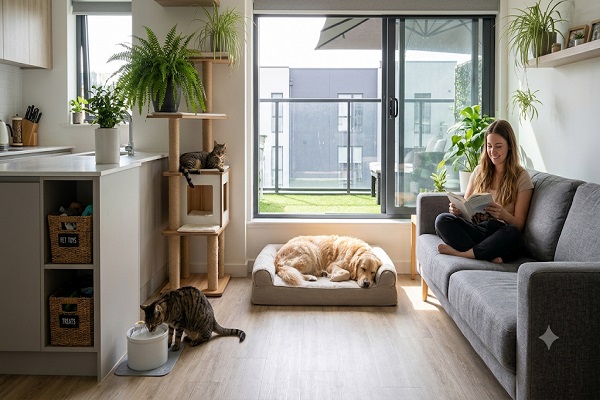
From dedicated sleeping corners and indoor play areas to scratch-resistant furniture and easy-to-clean flooring, pet-friendly home design combines practicality with modern aesthetics. The goal is to create a welcoming environment where pets can feel comfortable while homeowners can enjoy a beautiful and organised living space.
1. What Are Pet-Friendly Homes?
Pet-friendly homes are residential spaces designed to accommodate the comfort, safety and everyday requirements of pets. They include thoughtful features that make it easier for animals to move, rest, play and interact with their surroundings.
Unlike traditional home designs, pet-friendly interiors consider the habits and behaviours of animals when selecting furniture, flooring, accessories and room arrangements.
Some common features include:
Comfortable sleeping spaces for pets.
Durable and easy-to-clean flooring.
Dedicated feeding and drinking stations.
Safe indoor play areas.
Pet-friendly furniture and fabrics.
Secure balconies, windows and outdoor spaces.
Organised storage for pet food and accessories.
These design choices help create a more harmonious living environment for pets and their owners.
2. Dedicated Spaces for Pets
One of the growing trends in pet-friendly interior design is creating dedicated spaces for animals. Instead of allowing pet accessories to occupy random areas, homeowners are incorporating organised pet corners into their home layouts.
A small area under the staircase, an unused corner of the living room or a quiet bedroom space can be transformed into a comfortable pet zone.
Popular ideas include:
Soft pet beds with washable covers.
Small indoor pet houses.
Comfortable resting cushions.
Dedicated toy storage baskets.
Feeding stations with separate food and water bowls.
These spaces provide pets with a familiar place to relax while helping homeowners maintain an organised interior.
3. Pet-Friendly Furniture and Fabrics
Furniture selection is an important consideration when designing a pet-friendly home. Pets may scratch, shed fur or accidentally stain furniture, making durability an important factor.
Many homeowners prefer materials that are easy to clean and capable of handling everyday use.
Some suitable furniture choices include:
Tightly woven upholstery fabrics.
Washable sofa covers.
Scratch-resistant furniture surfaces.
Durable wooden furniture with suitable finishes.
Removable cushion covers.
Furniture with rounded edges.
Microfibre and certain tightly woven fabrics can be practical options, although no fabric is completely resistant to pet damage.
Choosing darker or patterned upholstery may also help make pet hair and minor stains less noticeable.
4. Easy-to-Clean and Durable Flooring
Flooring plays an important role in maintaining a hygienic and comfortable home environment. Pets can bring dirt indoors, shed fur and occasionally create spills.
For this reason, homeowners often prefer flooring materials that are durable, easy to maintain and suitable for animal movement.
Popular flooring options include:
Porcelain and Ceramic Tiles: These are generally easy to clean and resistant to moisture. However, some polished surfaces can become slippery for pets.
Vinyl Flooring: Quality vinyl flooring can offer durability, water resistance and relatively easy maintenance.
Textured Tiles: These may provide better traction than highly polished surfaces.
Sealed Stone Flooring: Properly sealed stone can be a practical option, depending on the material and maintenance requirements.
Homeowners should prioritise slip resistance and comfort when selecting flooring for pets, particularly for older animals.
5. Safe Indoor Plants and Natural Décor
Indoor plants bring freshness and visual appeal to modern homes. However, pet owners need to be careful when selecting greenery because certain plants can be toxic to cats and dogs.
Some commonly recognised pet-friendlier plant choices include:
Spider plants.
Boston ferns.
Areca palms.
Calathea varieties.
Certain peperomia varieties.
Plant safety can vary by species, so homeowners should verify the exact plant before bringing it indoors.
Plants should also be placed in secure locations where pets cannot easily knock over pots, chew leaves or access fertilisers.
Natural materials, wooden accents and soft textiles can further enhance the appearance of pet-friendly interiors.
6. Smart Storage Solutions for Pet Essentials
Pet ownership comes with several everyday accessories, including food containers, grooming tools, toys, leashes and cleaning supplies.
Without proper organisation, these items can make living spaces look cluttered.
Smart storage solutions help maintain a neat and functional home.
Some useful ideas include:
Dedicated cabinets for pet food.
Decorative baskets for toys.
Wall hooks for leashes and collars.
Organised grooming stations.
Closed storage for cleaning products.
Built-in feeding areas.
Food and medication should be stored securely, away from children and animals.
7. Pet-Friendly Balconies and Outdoor Spaces
Balconies, terraces and small gardens can provide valuable outdoor experiences for pets. With appropriate safety measures, these areas can become comfortable spaces for relaxation and supervised play.
Pet-friendly outdoor design ideas include:
Secure balcony railings and protective barriers.
Non-slip outdoor flooring.
Shaded resting areas.
Pet-safe grass or garden surfaces.
Comfortable outdoor pet beds.
Secure water bowls.
Balconies should never be left accessible to pets without proper protection. Open gaps, unstable railings and excessive heat can create serious safety risks.
For apartment owners, a carefully planned balcony can offer pets additional stimulation without compromising safety.
8. Pet-Friendly Smart Home Technology
Technology is also influencing the way people care for their pets. Smart home products are making everyday pet care more convenient and helping owners manage routines when they are away.
Some popular innovations include:
Automatic Pet Feeders: These devices can dispense measured portions of food at scheduled times.
Pet Cameras: Smart cameras allow owners to check on their pets remotely.
Smart Water Fountains: These products circulate water and encourage regular drinking.
Automatic Litter Boxes: Certain models help simplify litter maintenance for cat owners.
GPS Pet Trackers: These devices can help owners monitor the location of compatible pets.
Smart products can improve convenience, but they should complement regular supervision and responsible pet care.
9. Designing Pet-Friendly Homes Without Compromising Style
A common misconception is that pet-friendly interiors must sacrifice elegance and modern design. However, thoughtful planning makes it possible to combine attractive décor with practical features.
Here are some ideas for maintaining both style and functionality:
Choose furniture colours that complement pet accessories.
Use washable rugs and removable covers.
Incorporate attractive storage baskets.
Select durable materials for high-traffic areas.
Create matching feeding stations.
Choose comfortable furniture that suits the overall interior theme.
Keep pet accessories organised and easily accessible.
Minimalist, contemporary, Scandinavian and rustic interior styles can all be adapted to accommodate pets.
10. The Growing Demand for Pet-Friendly Residential Spaces
The increasing importance of pets in family life is influencing expectations around residential design. Many homeowners and prospective tenants consider pet accommodation when evaluating a property.
This is encouraging interest in features such as secure balconies, nearby walking spaces, durable flooring and community areas suitable for pets.
Residential developers and interior designers are also exploring ways to incorporate pet-friendly amenities into modern housing projects.
In apartment communities, designated walking areas, pet-washing facilities and outdoor recreational spaces can add convenience for pet owners.
However, residents should always consider society regulations, property rules and local requirements before bringing pets into shared residential spaces.
11. Tips for Creating a Safe Pet-Friendly Home
Creating a pet-friendly home involves more than selecting suitable furniture and accessories. Safety should remain the primary consideration.
Here are some important precautions:
Keep electrical wires and cables out of pets' reach.
Store medicines and household cleaning products securely.
Avoid toxic plants and unsafe decorative materials.
Install secure window and balcony protections.
Keep small objects that may be swallowed away from pets.
Provide fresh drinking water.
Maintain clean sleeping and feeding areas.
Choose pet-safe cleaning products.
Ensure pets have enough space for movement and rest.
Arrange regular veterinary checkups.
Different animals have different requirements, so home arrangements should be adapted to the pet's species, age, size and behaviour.
12. The Future of Pet-Friendly Home Design
The future of residential interior design is increasingly focused on comfort, convenience and the needs of different family members, including pets.
As pet ownership becomes an important part of modern lifestyles, more homeowners are likely to explore integrated pet furniture, smart feeding systems, dedicated grooming areas and durable interior materials.
Interior designers may also place greater emphasis on flexible layouts that accommodate both human activities and animal comfort.
Sustainable pet accessories, eco-conscious materials and multifunctional furniture could become important elements of future pet-friendly homes.
The growing interest in pet-inclusive residential spaces demonstrates how modern housing is adapting to changing family preferences and lifestyle needs.
Conclusion
The rise of pet-friendly homes reflects a meaningful change in modern living, where pets are increasingly recognised as important members of the family. Homeowners are rethinking their interiors to create spaces that offer comfort, safety and convenience for both people and animals.
From dedicated pet corners and durable flooring to smart technology and secure outdoor spaces, pet-friendly design offers numerous ways to improve everyday living.
Creating a pet-friendly home does not mean compromising on beauty or style. With thoughtful planning and suitable materials, homeowners can build an attractive, functional and welcoming environment where every family member feels at home.