Taste the Tradition: Exploring India’s Festival Food Tourism
Festival Food Tourism: Exploring Culture Through Traditional Flavors
Festival Food Tourism is a growing cultural travel experience that combines celebrations, local traditions, regional cuisine, and community life. Festivals offer travelers an opportunity to experience a destination through its most authentic flavors, from traditional sweets and festive meals to street food, seasonal specialties, and family recipes.
Food is often at the heart of cultural celebrations. Visiting a destination during a major festival allows travelers to experience not only famous attractions but also the customs, ingredients, cooking techniques, markets, and culinary traditions that make the region unique.
What Is Festival Food Tourism?
Festival Food Tourism involves traveling specifically to experience food and culinary traditions associated with cultural, religious, seasonal, harvest, or community festivals.
Travelers may explore festival markets, taste traditional dishes, watch cooking demonstrations, participate in food workshops, visit local homes or restaurants, and learn the stories behind regional recipes.
This type of tourism turns a simple food experience into a deeper cultural journey.
Why Festival Food Tourism Is Becoming Popular
Modern travelers increasingly look for authentic experiences that connect them with local communities. Festival food provides exactly this opportunity.
Unlike ordinary restaurant dining, festival cuisine is often prepared according to traditional recipes and served during specific celebrations. Some dishes may only be available during particular festivals or seasons.
Travelers can therefore discover flavors and culinary traditions that they might not experience during a regular trip.
Popular Festival Food Experiences in India
India has an extraordinary variety of festivals, and each region has its own culinary traditions.
Diwali Food Tourism
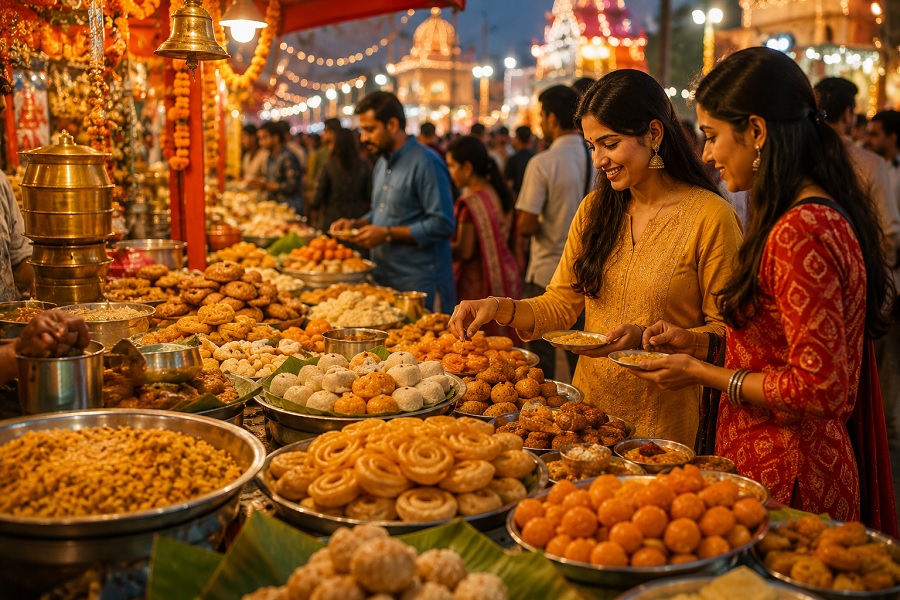
Diwali is associated with a wide variety of sweets and festive snacks. Travelers can explore traditional sweet shops, local markets, and regional specialties while experiencing the festive atmosphere.
Popular preparations can include ladoos, barfi, jalebi, chakli, karanji, gujiya, and other regional treats.
Holi Food Tourism
Holi food experiences often include colorful sweets, snacks, drinks, and regional specialties. Travelers can combine food exploration with local celebrations, cultural performances, and traditional markets.
Onam Food Tourism
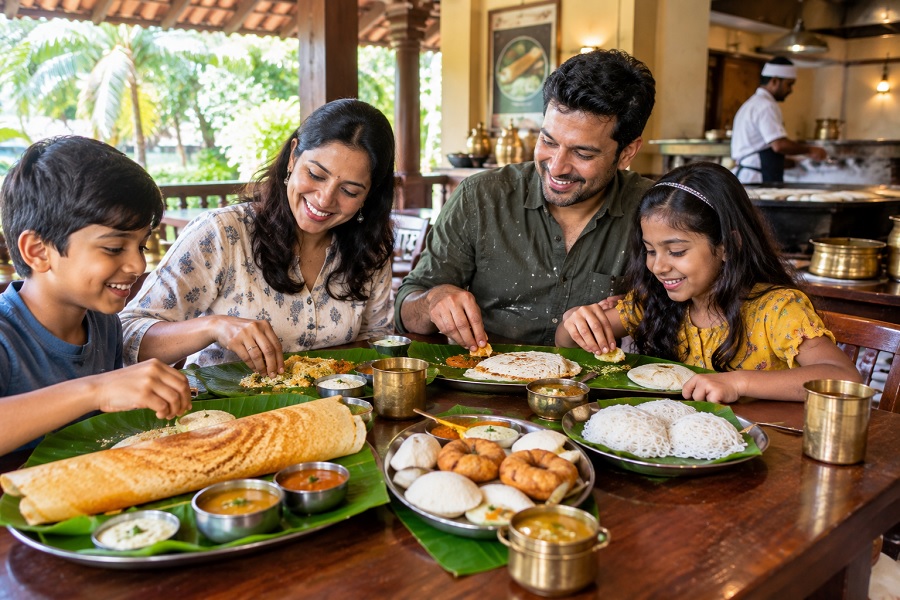
Kerala's Onam celebrations are strongly connected with the traditional Onam Sadya, a large vegetarian feast served with numerous dishes and accompaniments.
Experiencing a Sadya can introduce travelers to Kerala's food traditions, serving customs, ingredients, and hospitality.
Pongal Food Tourism
Pongal in Tamil Nadu celebrates the harvest and has a strong connection with traditional food. Travelers can discover dishes prepared from rice, milk, jaggery, lentils, and locally available ingredients.
Ganesh Chaturthi Food Tourism
Maharashtra's Ganesh Chaturthi celebrations are closely associated with modak, a traditional sweet offered during the festival. Food-focused travel during the celebration can include visiting local markets, sweet shops, and community celebrations.
Durga Puja Food Tourism
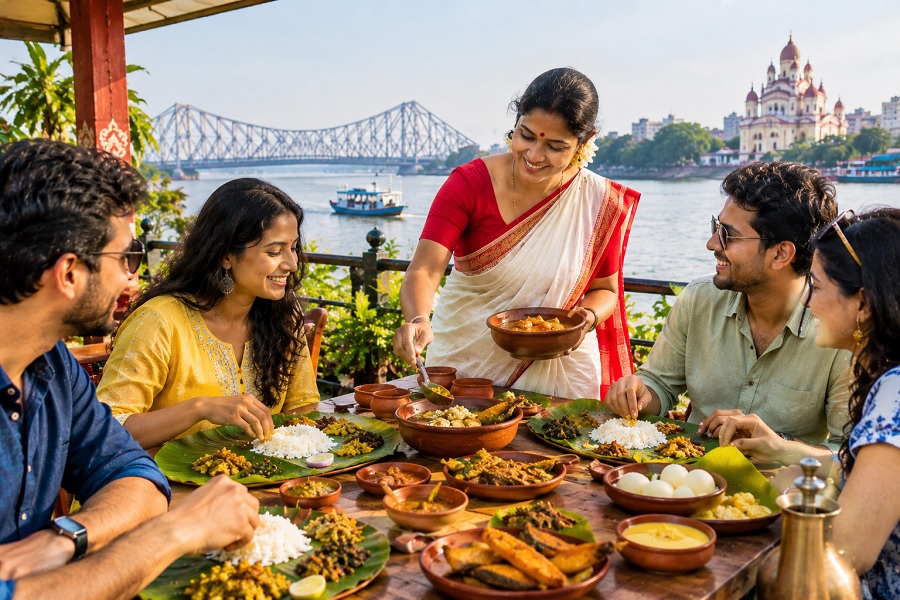
Kolkata's Durga Puja provides an exciting combination of cultural celebrations and food experiences. Travelers can explore traditional Bengali cuisine, sweets, street food, restaurants, and temporary food stalls.
Bihu Food Tourism
Assam's Bihu celebrations provide an opportunity to explore Assamese food traditions, including seasonal preparations and locally sourced ingredients.
Festival Street Food Experiences
Street food is one of the most accessible ways to experience festival culture.
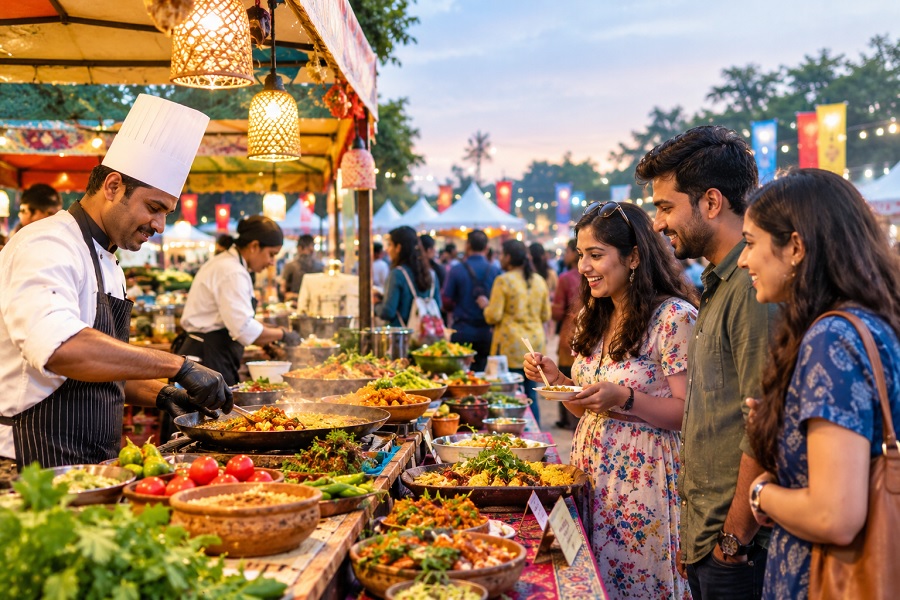
Temporary food stalls often appear around festival grounds, markets, temples, cultural events, and public celebrations. Travelers can discover regional snacks, sweets, drinks, and savory dishes while observing how local communities celebrate.
A responsible traveler should choose hygienic vendors and follow local food-safety practices.
Traditional Festival Sweets
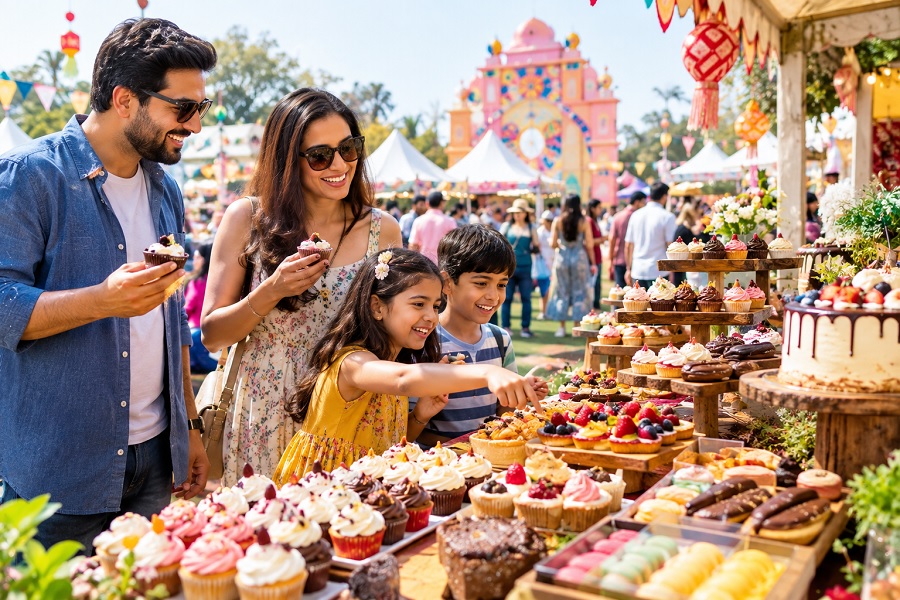
Festive sweets are an important part of culinary heritage. Different regions have distinctive specialties prepared during particular celebrations.
Examples include:
Modak
Ladoo
Barfi
Jalebi
Gujiya
Peda
Mysore Pak
Payasam
Rasgulla
Sandesh
Karanji
Puran Poli
Exploring these sweets can become a dedicated culinary activity during a cultural trip.
Harvest Festival Food Tourism
Harvest festivals provide particularly interesting food experiences because they celebrate agricultural traditions and seasonal produce.
Travelers can discover how local communities use freshly harvested grains, vegetables, fruits, spices, and other ingredients in traditional recipes.
Harvest festivals can also provide opportunities to visit farms, rural markets, food fairs, and village celebrations.
International Festival Food Tourism
Festival food tourism is not limited to India. Around the world, travelers can experience food-centered celebrations such as harvest festivals, cultural food fairs, traditional markets, religious celebrations, and regional culinary events.
Destinations across Asia, Europe, Africa, the Middle East, and the Americas offer unique food traditions connected with local festivals.
Food Markets During Festivals
Festival markets can be among the most exciting destinations for culinary travelers. Temporary stalls and local vendors may offer traditional foods that are difficult to find elsewhere.
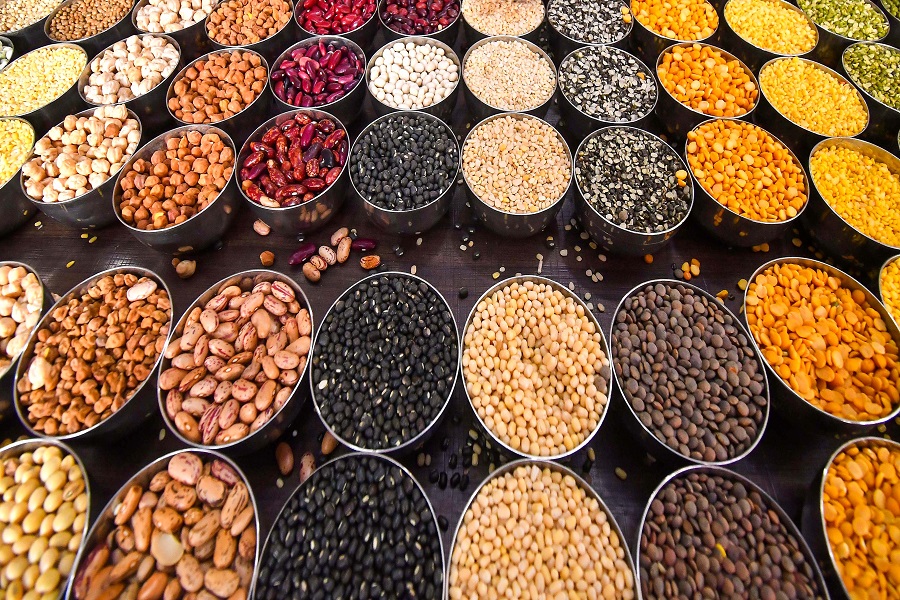
Travelers can explore markets to discover regional ingredients, cooking techniques, handmade sweets, pickles, snacks, spices, and specialty products.
Markets also provide opportunities to interact respectfully with local vendors and learn about food traditions.
Cooking Workshops and Festival Experiences
Some cultural destinations offer cooking classes where visitors can learn to prepare traditional festival dishes.
A cooking workshop can include:
Ingredient selection
Traditional spice combinations
Preparation techniques
Regional cooking methods
Traditional utensils
Plating and serving
Cultural stories behind recipes
This allows travelers to take home culinary knowledge rather than only souvenirs.
Benefits of Festival Food Tourism
Festival Food Tourism can provide several benefits:
Cultural Understanding: Food helps travelers understand local traditions and community history.
Support for Local Businesses: Visitors contribute to restaurants, vendors, markets, farmers, and food producers.
Preservation of Traditions: Interest in traditional cuisine can encourage younger generations to maintain culinary practices.
Unique Travel Memories: Festival meals and food experiences can become memorable highlights of a trip.
Community Connection: Food creates opportunities for visitors to interact with local communities.
Responsible Festival Food Tourism
Responsible travelers should respect local customs and traditions while enjoying festival cuisine.
Useful practices include choosing hygienic food vendors, avoiding unnecessary food waste, carrying reusable water bottles where appropriate, respecting religious food practices, and following local festival rules.
Travelers should also avoid photographing people or religious ceremonies without permission.
Best Tips for Planning a Festival Food Trip
Research the festival dates and local traditions before traveling. Popular celebrations can attract large crowds, so accommodation and transportation may need to be arranged early.
It is also useful to research signature dishes beforehand so you know which foods you want to experience.
Travelers with food allergies or dietary restrictions should communicate their requirements clearly to vendors or restaurants.
Festival Food Tourism for Families
Families can enjoy festival food tourism as an educational travel experience. Children can learn about regional ingredients, traditional recipes, cultural celebrations, and local customs while trying new foods.
Food festivals can also introduce young travelers to the cultural diversity of different parts of India and the world.
Festival Food Tourism for Couples
Couples can combine festival food experiences with romantic cultural travel. Exploring food markets, sharing traditional meals, attending culinary workshops, and discovering local sweets can create memorable experiences.
A food-focused festival trip can also be combined with heritage walks, cultural performances, shopping, and sightseeing.
Future of Festival Food Tourism
Festival Food Tourism is likely to remain an important part of cultural travel as tourists increasingly seek authentic local experiences.
Social media, food photography, culinary creators, local food guides, digital travel planning, and immersive food experiences are making regional cuisines more visible to travelers worldwide.
The future may bring more artisan-led food tours, farm-to-table festival experiences, culinary workshops, sustainable food events, and technology-supported cultural food trails.
Conclusion
Festival Food Tourism offers travelers a delicious way to explore culture, tradition, community, and history. From colorful street-food markets and traditional sweets to harvest celebrations and regional feasts, festival cuisine provides an authentic connection to a destination.
Whether traveling with family, friends, or a partner, exploring local festival food can transform a normal vacation into a memorable cultural adventure. By supporting local food producers, respecting traditions, choosing responsible dining practices, and discovering regional recipes, travelers can enjoy the flavors of a destination while helping preserve its culinary heritage