Seafood Tourism Experiences
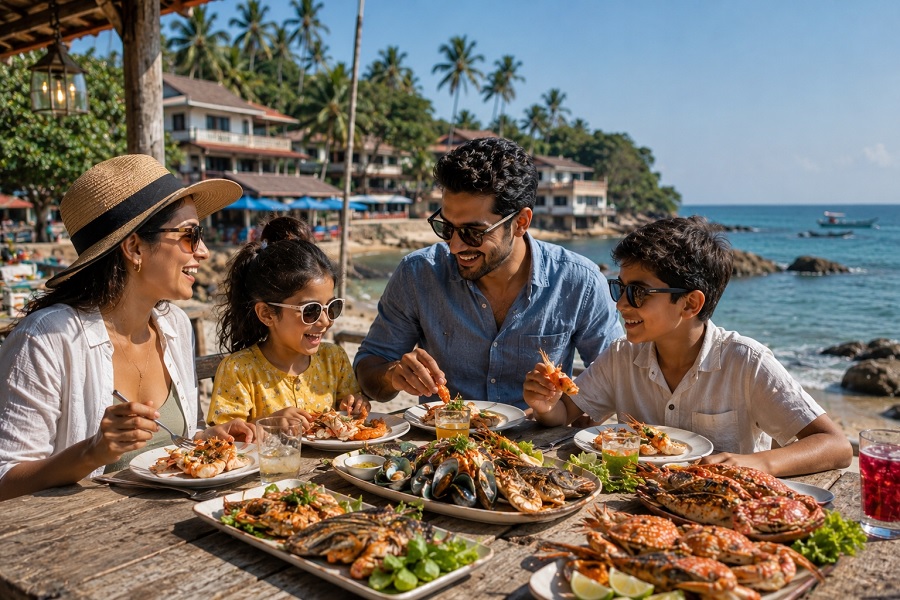
Seafood Tourism Experiences: Exploring Coastal Flavors and Ocean Adventures
Introduction
Seafood tourism has become one of the fastest-growing segments of culinary travel, offering visitors the opportunity to enjoy fresh coastal cuisine while exploring fishing communities, vibrant seafood markets, waterfront restaurants, and marine traditions. From tasting freshly caught lobster and oysters to joining fishing excursions and seafood festivals, these experiences combine gastronomy, culture, and coastal adventure.
In 2026, travelers are increasingly choosing authentic food experiences that connect them with local communities and sustainable seafood practices. Coastal destinations around the world are expanding seafood festivals, harbor tours, and ocean-to-table dining experiences to meet this growing demand.
What Is Seafood Tourism?
Seafood tourism is a form of food and beverage tourism centered on the culture, traditions, and cuisine of coastal regions. Visitors experience every stage of the seafood journey, from local fishing practices and seafood markets to cooking classes and fine dining restaurants.
Popular seafood tourism experiences include:
Visiting traditional fishing villages
Exploring local seafood markets
Joining guided fishing trips
Taking seafood cooking classes
Dining at waterfront restaurants
Attending seafood festivals
Touring oyster and mussel farms
Learning about sustainable fishing
Best Seafood Tourism Experiences
1. Fresh Seafood Market Tours
Morning fish markets offer an exciting glimpse into coastal life, where visitors can watch local fishermen unload the day's catch and purchase freshly harvested seafood.
2. Ocean-to-Table Dining
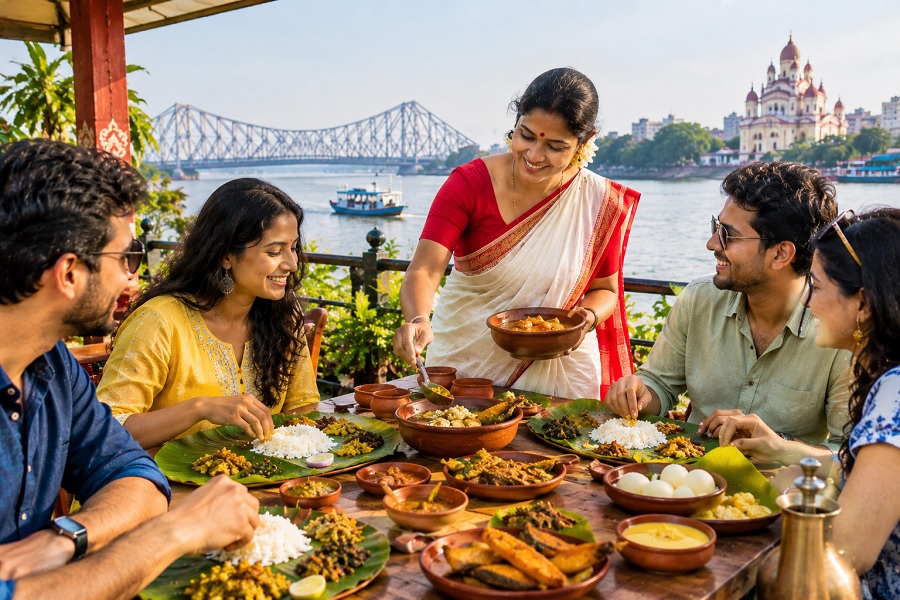
Many coastal restaurants serve seafood caught just hours before it reaches the table, creating an unforgettable dining experience with exceptional freshness and flavor.
3. Seafood Cooking Classes
Learn how to prepare regional seafood specialties under the guidance of local chefs using traditional cooking techniques and fresh ingredients.
4. Fishing Village Visits
Explore historic fishing communities, meet local fishermen, and discover traditions that have been passed down through generations.
5. Seafood Festivals
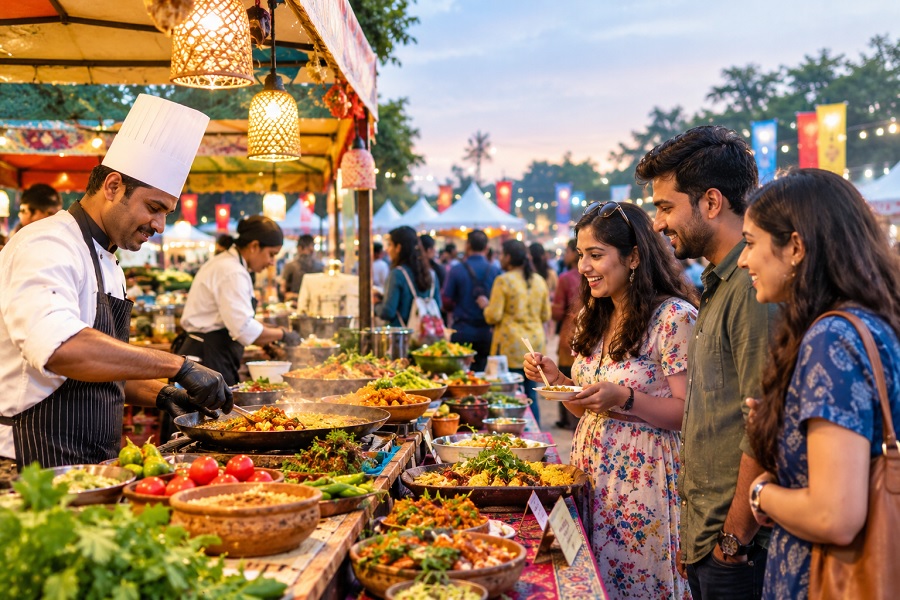
Seasonal seafood festivals celebrate regional specialties through cooking competitions, cultural performances, live music, and tasting events.
Popular Seafood Destinations
Outstanding seafood tourism destinations include:
Kerala Backwaters, India
Goa's Coastal Villages, India
Konkan Coast, India
Hokkaido, Japan
Galicia, Spain
Maine, USA
Nova Scotia, Canada
Tasmania, Australia
Bergen, Norway
Algarve, Portugal
Each destination offers unique seafood traditions shaped by local waters, history, and culture.
Sustainable Seafood Tourism
Responsible seafood tourism helps protect marine ecosystems while supporting coastal communities.
Travelers can contribute by:
Choosing restaurants that source seafood responsibly.
Supporting local fishermen and family-owned businesses.
Respecting marine protected areas.
Avoiding endangered seafood species.
Reducing single-use plastic during coastal visits.
Participating in beach conservation activities.
Sustainable seafood initiatives help preserve ocean biodiversity while ensuring long-term economic benefits for coastal communities.
Best Time to Visit
The ideal travel season depends on regional fishing calendars and local festivals.
Spring: Fresh shellfish and seasonal seafood festivals.
Summer: Peak coastal tourism and outdoor seafood events.
Autumn: Seafood harvest celebrations and pleasant weather.
Winter: Famous oyster, crab, and lobster seasons in many regions.
Always check local seafood seasons to experience the freshest regional specialties.
Travel Tips
Research regional seafood specialties before traveling.
Book popular seafood restaurants in advance.
Visit morning fish markets for the freshest experience.
Join guided culinary or harbor tours.
Carry sun protection for coastal excursions.
Respect local fishing regulations and protected marine habitats.
Try locally sourced dishes instead of imported seafood.
Seafood Tourism Trends in 2026
Food travelers are increasingly seeking authentic culinary experiences that combine local culture, sustainability, and fresh ingredients. Coastal destinations are responding by offering seafood trails, chef-led tasting experiences, seafood farm tours, and educational marine conservation activities. Travelers are also showing greater interest in traceable seafood sourcing and environmentally responsible dining.
Conclusion
Seafood tourism offers much more than exceptional cuisine. It provides an opportunity to discover coastal traditions, support local fishing communities, learn sustainable practices, and enjoy unforgettable oceanfront experiences. Whether exploring lively fish markets, joining a seafood festival, or enjoying freshly prepared local specialties beside the sea, seafood tourism creates lasting memories for every food lover.