Red Sea Crisis Pulls India Oilmeal Exports Down 13% by Amit Gupta, Kedia Advisory
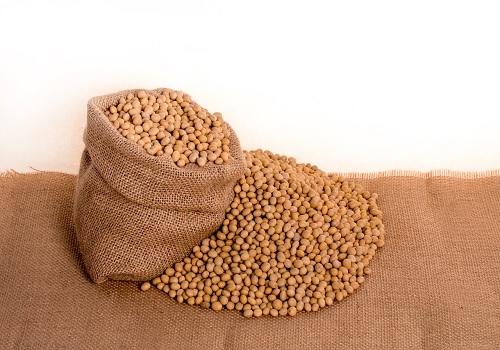
India’s oilmeal exports declined by 13.22% during FY26 to 37.68 lakh tonnes due to Red Sea shipping disruptions, rising freight costs, and stiff competition from South American and European suppliers. Export value also dropped sharply to Rs9,340 crore from Rs12,171 crore last year. Indian soymeal remained globally uncompetitive because of higher domestic soybean prices and lower crushing activity. Geopolitical tensions forced longer shipping routes, increasing transit time and logistics expenses. However, exports to China surged due to tariffs on Canadian canola meal, while Bangladesh imports weakened sharply amid political instability. Higher export prices and rupee depreciation partially supported exporters.
Key Highlights
- India’s oilmeal exports fell 13.22% to 37.68 lakh tonnes in FY26.
- Red Sea disruptions increased freight costs and delayed shipments by 10-15 days.
- Indian soymeal lost competitiveness against Argentina and Brazil supplies.
- China emerged as the largest importer due to tariffs on Canadian canola meal.
- Bangladesh imports dropped nearly 50% amid political disturbances.
India’s oilmeal exports witnessed a sharp decline during FY26 as geopolitical disruptions, rising freight costs, and aggressive global competition weighed heavily on export demand and profitability. Total oilmeal exports fell 13.22% year-on-year to 37.68 lakh tonnes, while export earnings declined significantly to Rs9,340 crore from Rs12,171 crore recorded in FY25.
The weakness in exports was primarily driven by severe disruptions in the Red Sea shipping corridor, which forced global shipping companies to avoid the route and divert cargo around the Cape of Good Hope. This diversion increased shipment duration by 10-15 days, created container shortages, and sharply inflated freight costs. Around 35% of India’s oilmeal exports destined for West Asia and Europe remained highly exposed to these logistical disruptions.
Indian soybean meal exports also remained under pressure due to uncompetitive pricing against major global suppliers such as Argentina and Brazil. Elevated domestic soybean prices and lower crushing activity further reduced export availability. In addition, domestic livestock feed manufacturers increasingly shifted towards cheaper alternatives like DDGS, reducing demand for soymeal and other oilmeals within the country.
Despite the overall weakness, exports to China remained strong at 8.78 lakh tonnes during FY26, supported by India’s competitive rapeseed meal prices and China’s 100% tariff on Canadian canola meal imports. South Korea emerged as the second-largest buyer, importing significant volumes of castorseed meal, rapeseed meal, and soybean meal from India. However, exports to Bangladesh declined nearly 50% because of political instability in the country.
Meanwhile, export prices showed strength, with soybean meal prices rising sharply to $477 per tonne from $356 per tonne in March 2025. Rapeseed meal prices also improved, while rupee depreciation provided some support to exporters in global markets.
Rising logistics costs, geopolitical disruptions, and intense global competition continue to pressure India’s oilmeal export sector despite supportive export prices and improved demand from China.
Above views are of the author and not of the website kindly read disclaimer