India's Oilmeal Exports Decline as Soybean Shipments Weaken Sharply by Amit Gupta, Kedia Advisory
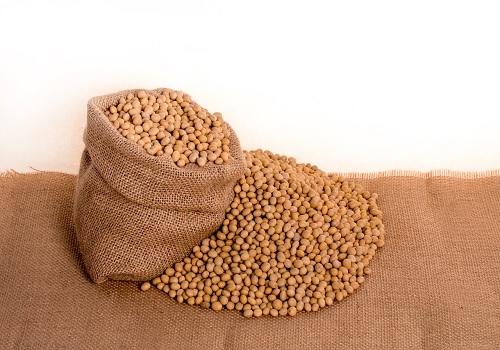
India’s oilmeal exports declined 21.5% year-on-year to 3.65 lakh tonnes in April 2026, mainly due to a sharp fall in soybean meal shipments. Higher freight costs, Red Sea shipping disruptions, and uncompetitive Indian soybean meal prices weighed on exports, while South American supplies remained cheaper. In contrast, rapeseed meal exports increased on strong demand from China and other Asian markets. Domestic demand from the poultry and livestock sectors is expected to remain stable, but export prospects remain mixed. Oilmeal prices are likely to stay range-bound, influenced by monsoon progress, global soybean fundamentals, freight costs, and crop availability.
Key Highlights
- India’s oilmeal exports fell 21.5% YoY to 3.65 lakh tonnes in April 2026.
- Soybean meal exports plunged due to higher prices and global competition.
- Rapeseed meal exports increased on strong demand from China and Asia.
- Red Sea shipping disruptions and elevated freight costs hurt export competitiveness.
- Oilmeal prices are expected to remain range-bound with a weak bias.
India’s oilmeal export market remained under pressure in April 2026, with total shipments declining 21.5% year-on-year to 3.65 lakh tonnes from 4.65 lakh tonnes a year earlier. The weakness was primarily driven by a sharp decline in soybean meal exports, reflecting weaker global competitiveness and subdued overseas demand. According to the Solvent Extractors’ Association of India (SEA), oilmeal prices are expected to remain range-bound with a weak bias, as global soybean fundamentals, freight costs, domestic monsoon progress, and new oilseed crop availability continue to influence market sentiment.
Soybean meal exports dropped dramatically to 62,844 tonnes in April 2026 from 2.30 lakh tonnes in April 2025. Indian soybean meal remained uncompetitive in international markets, with FOB prices at around $605 per tonne compared with global prices near $430 per tonne (CIF Rotterdam). In addition, Red Sea shipping disruptions forced vessels to take longer routes around the Cape of Good Hope, increasing freight costs and extending delivery times. Ample soybean meal supplies from South America further intensified price competition, reducing India's export opportunities.
In contrast, rapeseed meal exports rose to 2.48 lakh tonnes from 2.13 lakh tonnes a year earlier, supported by robust demand from China, Bangladesh, Vietnam, Thailand, and emerging African markets. China remained the largest buyer, importing 1.42 lakh tonnes of oilmeals, mainly rapeseed meal. Bangladesh and Vietnam also increased purchases during the month. Looking ahead, domestic demand from the poultry, dairy, and livestock sectors is expected to remain steady, while export demand will depend on freight costs, global price competitiveness, shipping conditions, and continued buying interest from key Asian markets.
Finally, oilmeal exports may remain under pressure unless freight costs ease and Indian soybean meal regains global price competitiveness, while rapeseed meal demand is expected to provide partial support.
Above views are of the author and not of the website kindly read disclaimer