India's Soybean Imports Surge Amid Tight Domestic Supply by Amit Gupta, Kedia Advisory
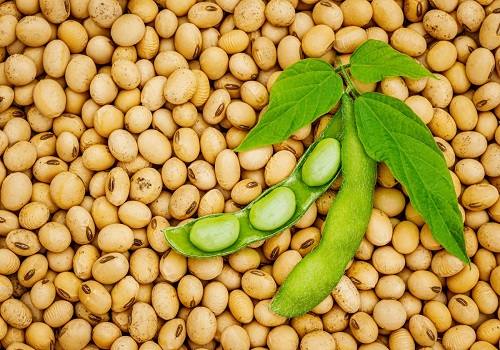
India’s soybean imports have risen sharply during the 2025-26 oil year due to tight domestic supplies, reaching 7.77 lakh tonnes by the end of June compared with just 2,000 tonnes a year earlier. According to the Soybean Processors Association of India (SOPA), lower domestic arrivals and reduced soybean meal production have tightened availability despite stable demand from the feed and food sectors. SOPA now expects soybean imports to reach 9 lakh tonnes for the full season while lowering its soybean meal export forecast to 10 lakh tonnes because higher domestic prices have reduced export competitiveness. Domestic consumption is projected to remain firm.
Key Highlights
- Soybean imports jumped to 7.77 lakh tonnes by June from just 2,000 tonnes last season.
- Lower domestic arrivals have tightened soybean availability despite adequate production.
- SOPA projects total soybean imports to reach 9 lakh tonnes in the current oil year.
- Soybean meal export forecast has been cut to 10 lakh tonnes due to higher domestic prices.
- Domestic demand from food and feed sectors remains strong, supporting soybean consumption.
Soybean prices continue to find support as tightening domestic availability and a sharp rise in imports highlight the supply imbalance in the Indian market. Despite an estimated production of 110.26 lakh tonnes during the 2025-26 oil year, only 77.5 lakh tonnes had arrived in the market by the end of June, significantly below the 89 lakh tonnes recorded during the same period last year. Lower arrivals have reduced market supplies and kept domestic prices elevated.
The supply tightness is also reflected in India's import figures. According to the Soybean Processors Association of India (SOPA), soybean imports reached 7.77 lakh tonnes by the end of June, compared with only 2,000 tonnes during the previous oil year. SOPA expects total imports to increase further to around 9 lakh tonnes by the end of the current season, indicating that domestic production has not been sufficient to meet processing requirements.
Soybean meal production during October-June declined to 64.31 lakh tonnes from 68.65 lakh tonnes a year earlier. Meal exports also fell sharply to 9.02 lakh tonnes from 15.60 lakh tonnes, reflecting weaker export competitiveness as higher domestic soybean prices increased processing costs. Consequently, SOPA has revised its soybean meal export estimate for the full oil year downward to 10 lakh tonnes from its earlier forecast of 11 lakh tonnes.
Meanwhile, domestic demand remains resilient. SOPA has increased its estimates for soybean meal consumption by the food sector to 9 lakh tonnes and by the feed industry to 63 lakh tonnes, reflecting steady growth in livestock and poultry demand. Meal stocks at the end of June stood at 1.27 lakh tonnes, indicating limited inventory despite softer production.
Finally, tight domestic supplies, higher imports, and firm feed demand are expected to keep soybean fundamentals supportive, while reduced soybean meal exports reflect the impact of elevated domestic prices.
Above views are of the author and not of the website kindly read disclaimer