Music Festival Tourism: Exploring Destinations Through Live Music and Culture
Music Festival Tourism: A Growing Trend in Travel and Entertainment
Music Festival Tourism is becoming an exciting part of modern travel, combining live music, cultural experiences, entertainment, and destination exploration. Travelers increasingly plan trips around music festivals, allowing them to enjoy performances by popular artists while discovering new cities, local traditions, food, attractions, and nightlife.
From large international festivals to regional cultural music events, these experiences attract visitors from different age groups and backgrounds. Music festival tourism can also provide important benefits to destinations by increasing hotel bookings, restaurant visits, transportation demand, shopping, and local employment.
What Is Music Festival Tourism?
Music Festival Tourism refers to traveling to another city, region, or country primarily to attend a music festival or music-related event. The trip often includes accommodation, sightseeing, local food experiences, shopping, and other recreational activities.
Travelers may choose festivals based on their favorite music genres, artists, cultural traditions, or the overall atmosphere of the destination.
Why Is Music Festival Tourism Becoming Popular?
Several factors are contributing to the growth of music festival tourism:
Live entertainment: Visitors can experience artists and performances in person.
Unique destinations: Festivals often take place in scenic cities, beaches, mountains, historic locations, or cultural centers.
Social experiences: Festivals provide opportunities to meet people with similar musical interests.
Travel inspiration: A festival can encourage visitors to explore a destination they have never visited before.
Social media: Photos and videos from festivals inspire other travelers to attend future events.
Cultural discovery: Regional music festivals introduce visitors to local traditions and artistic expressions.
Popular Types of Music Festival Tourism
1. International Music Festivals
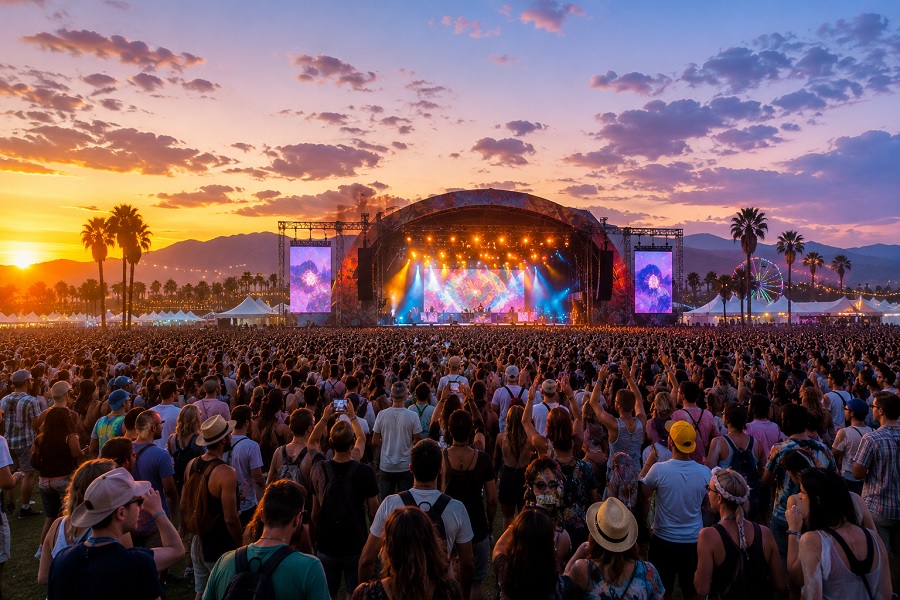
Large international festivals attract visitors from many countries. They may feature multiple stages, international performers, food markets, art installations, and entertainment activities.
2. Regional Music Festivals
Regional festivals highlight local artists, traditional music, folk performances, and regional culture. They offer travelers a more authentic connection with the destination.
3. Electronic Dance Music Festivals
Electronic dance music festivals are popular among younger travelers and often combine DJs, visual effects, light shows, dance performances, and large outdoor venues.
4. Classical Music Festivals
Classical music festivals attract travelers interested in orchestras, chamber music, opera, and traditional musical performances. Historic theaters and heritage venues can add to the experience.
5. Folk and Cultural Music Festivals
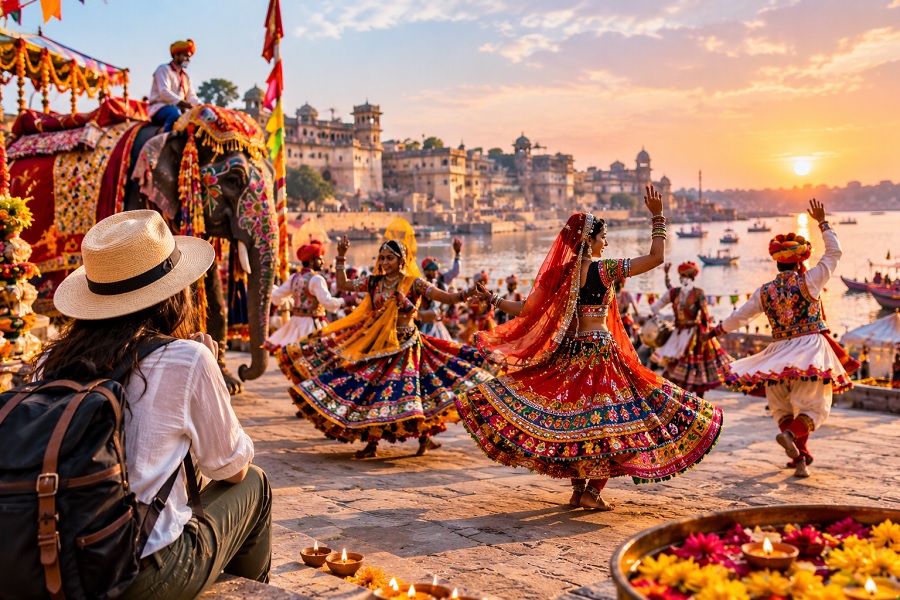
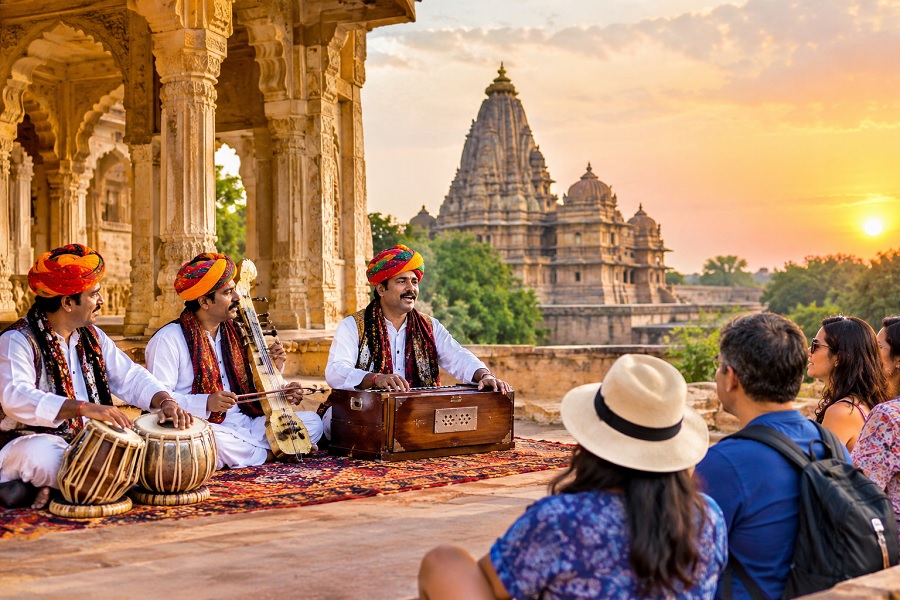
These festivals celebrate traditional instruments, folk songs, dance forms, costumes, and cultural heritage. They are particularly valuable for cultural tourism.
6. Jazz and Blues Festivals
Jazz and blues festivals attract music enthusiasts looking for intimate performances and distinctive musical traditions. They are often combined with food, art, and cultural events.
Music Festival Tourism in India
India has a diverse musical heritage, making it an attractive destination for music-related travel. Travelers can experience classical music, Bollywood music, folk traditions, devotional performances, independent music, rock, electronic music, and regional musical styles.
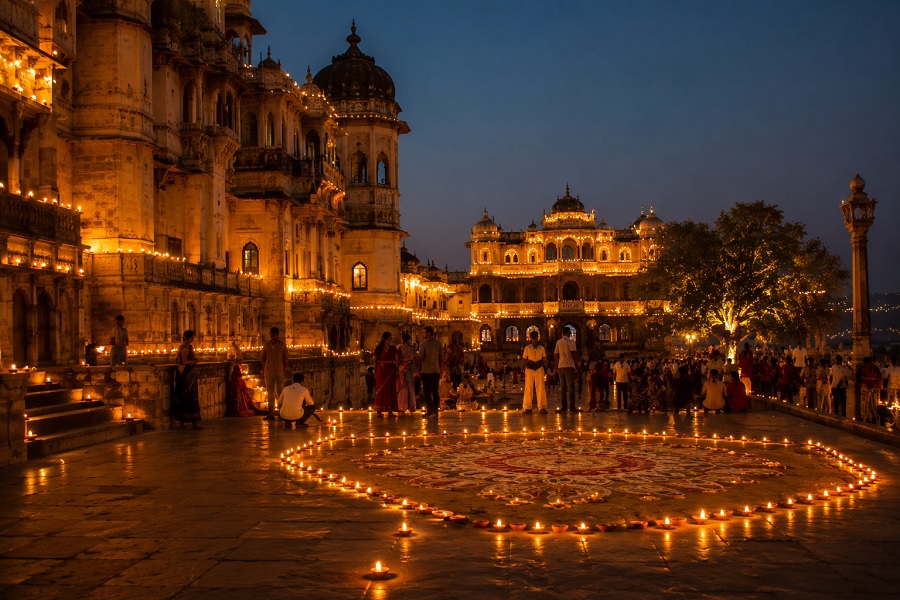
Destinations such as Goa, Rajasthan, Mumbai, Bengaluru, Delhi, Pune, Kerala, and the northeastern states host different types of musical and cultural events. Travelers attending these events can also explore local attractions, cuisine, handicrafts, historical sites, and natural landscapes.
Benefits for Local Communities
Music festival tourism can generate substantial economic activity for host destinations. Visitors spend money on hotels, restaurants, transportation, shopping, entertainment, and local attractions.
Festivals can also create temporary and permanent employment opportunities for event organizers, performers, technicians, security personnel, hospitality workers, transportation providers, food vendors, photographers, and local artisans.
Cultural Benefits
Music festivals can help preserve and promote cultural traditions. Traditional music, instruments, dances, and performances can reach new audiences through tourism.
When festivals involve local artists and communities, visitors gain a deeper understanding of the destination's cultural identity.
Sustainable Music Festival Tourism
As festival attendance grows, organizers and destinations are increasingly focusing on responsible tourism. Sustainable practices can include:
Reducing single-use plastics
Providing recycling and waste-management facilities
Encouraging public transportation
Using renewable energy where practical
Promoting local food vendors
Reducing food waste
Protecting natural festival locations
Managing visitor numbers responsibly
Encouraging reusable water bottles
Supporting local businesses and artists
Sustainable planning helps protect the destinations that make music festivals attractive in the first place.
Planning a Music Festival Trip
Travelers should plan their festival journey carefully. Important considerations include:
Tickets: Purchase tickets through official and authorized sources.
Accommodation: Reserve hotels or other accommodation well in advance, especially for popular festivals.
Transportation: Check public transport, shuttle services, parking, and local travel options before arrival.
Weather: Research expected weather conditions and pack appropriate clothing.
Safety: Follow festival rules, stay aware of your surroundings, and keep important belongings secure.
Local Exploration: Leave time to explore attractions, restaurants, markets, and cultural sites outside the festival venue.
The Future of Music Festival Tourism
Music Festival Tourism is likely to remain an important segment of experiential travel. Festivals increasingly combine music with food, art, wellness, technology, cultural activities, and destination experiences.
Technology is also changing the festival experience through digital ticketing, cashless payments, mobile applications, interactive performances, live streaming, and personalized event information.
The strongest festivals of the future are likely to focus not only on entertainment but also on sustainability, local culture, visitor safety, and meaningful connections with the destination.
Conclusion
Music Festival Tourism offers travelers an opportunity to combine their passion for music with exploration and cultural discovery. Whether attending a major international event or a small regional festival, visitors can enjoy live performances while experiencing local food, traditions, attractions, and communities.
For destinations, music festivals can stimulate tourism, support local businesses, create employment, and showcase cultural identity. With responsible planning and sustainable practices, Music Festival Tourism can continue to grow while creating memorable experiences for travelers and long-term benefits for host communities.