Modern Indian Cuisine and Contemporary Culinary Tourism: Discover India’s Evolving Food Culture
Modern Indian Cuisine and Contemporary Culinary Tourism
Indian cuisine is entering an exciting new chapter. While traditional recipes, regional ingredients and centuries-old cooking techniques remain at the heart of Indian food culture, chefs and restaurants are increasingly presenting these flavours through modern techniques, creative menus and contemporary dining experiences.
This evolution is helping make food an increasingly important part of travel. Culinary tourism is no longer limited to visiting famous restaurants or tasting street food. Travellers are looking for experiences that explain the story behind ingredients, cooking traditions, communities and regional cuisines.
India's Ministry of Tourism has also promoted culinary tourism as a specialised tourism product, while initiatives such as World Food India have focused on reviving culinary traditions and presenting Indian cuisine on the global stage.
What Is Modern Indian Cuisine?
Modern Indian cuisine combines the foundations of traditional Indian cooking with contemporary culinary ideas.
Chefs may reinterpret a familiar regional dish by changing its presentation, cooking method, texture or combination of ingredients while retaining its essential identity.
For example, a traditional recipe may be transformed into a tasting-menu course, while an old regional ingredient may be incorporated into a contemporary dish.
The objective is not simply to make traditional food look different. The strongest modern Indian cuisine preserves the connection between the dish, its ingredients and its cultural background.
The Rise of Hyper-Regional Indian Cuisine
One of the most important developments in contemporary Indian dining is growing interest in hyper-regional food.
Instead of presenting cuisine simply as “North Indian” or “South Indian,” chefs and travellers are discovering food traditions associated with specific communities, districts and smaller regions.
Kumaoni, Kodava, Mappila, Pahari, Goan, Bihari and Northeastern cuisines are receiving greater attention from diners interested in distinctive regional flavours.
For culinary tourism, this creates opportunities to travel specifically to discover lesser-known food traditions.
Regional Ingredients at the Centre
Modern Indian chefs are increasingly using distinctive Indian ingredients as important parts of their culinary identity.
Millets, regional grains, indigenous vegetables, spices, fruits, forest produce and traditional ingredients can become the foundation of contemporary menus.
GI-tagged products are also receiving greater attention through chef-led culinary programmes and food events. In 2026, India Food Tourism Organisation curated culinary masterclasses using GI-tagged Indian products and contemporary recipes.
This approach can help travellers understand not just what they are eating, but where the ingredients come from.
Traditional Recipes With a Contemporary Approach
Many modern Indian restaurants are revisiting forgotten or less commonly served recipes.
Traditional cooking methods can be combined with contemporary presentation and restaurant techniques. This gives older dishes a new audience while helping preserve culinary knowledge.
The Ministry of Tourism's World Food India initiative has specifically highlighted forgotten food traditions and ancient cooking techniques as part of India's culinary heritage.
Contemporary Culinary Tourism Experiences
Modern culinary tourism offers travellers much more than restaurant dining.
Popular experiences can include:
Chef-led tasting menus
Regional food walks
Traditional cooking classes
Farm-to-table meals
Spice-market tours
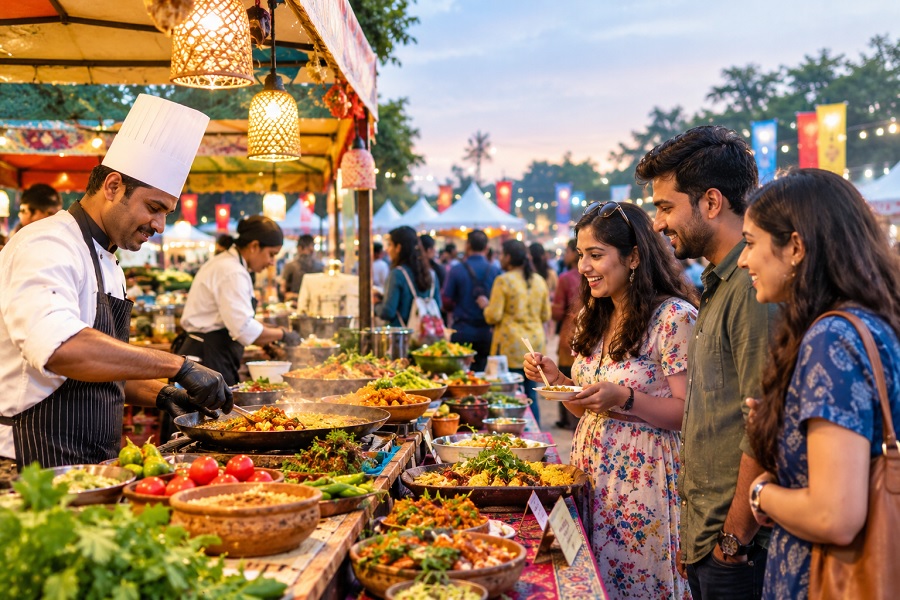
Local food festivals
Heritage food walks
Artisan food workshops
Regional ingredient tastings
Village cooking experiences
Chef residencies
Culinary pop-ups
Food-focused cultural tours
These experiences allow visitors to understand the cultural context behind Indian cuisine.
Food as a Cultural Travel Experience
Food is closely connected with India's history, geography, religion, agriculture and communities.
A dish can reveal information about the ingredients available in a particular region, the climate, traditional farming practices and the communities that developed the recipe.
For travellers, eating a regional dish can therefore become a way of understanding the destination itself.
The official Incredible India platform categorises gastronomy experiences around areas including street food, authentic local food, beverages, farm-to-table experiences and spices.
The Growth of Experiential Dining
Contemporary culinary tourism is increasingly experience-driven.
Restaurants are experimenting with chef-led menus, regional pop-ups, thematic takeovers and curated dining formats. The 2026 Godrej Food Trends Report identifies regional pop-ups, chef residencies, ingredient-focused menus and experiential formats as important developments in India's dining scene.
For tourists, this means a meal can become one of the highlights of a destination rather than simply a break between sightseeing activities.
Farm-to-Table Culinary Tourism
Farm-to-table tourism connects travellers directly with agricultural communities and local food production.
Visitors may tour farms, learn about seasonal ingredients and enjoy meals prepared using locally sourced produce.
This type of tourism can support local farmers and producers while giving travellers a stronger understanding of regional food systems.
Food Markets and Culinary Exploration
Local markets remain one of the best ways for travellers to discover authentic food culture.
Markets provide opportunities to see regional ingredients, spices, vegetables, sweets, snacks and traditional cooking products.
A guided food-market tour can combine tasting with stories about local food traditions, making the experience more educational and memorable.
Street Food and Modern Culinary Tourism
Street food continues to play an important role in India's culinary identity.
Travellers can explore regional snacks and dishes while discovering the everyday food culture of a city.
Modern culinary tourism can connect street food with contemporary dining by showing how traditional flavours influence today's chefs and restaurants.
The Role of Food Festivals
Food festivals provide another important platform for culinary tourism.
They bring together chefs, producers, food businesses, artisans and travellers. Such events can showcase regional cuisine while encouraging visitors to explore the destination beyond its major attractions.
India's official tourism platforms continue to promote culinary events and food festivals as part of the country's wider tourism experience.
Technology and Culinary Tourism
Technology is also changing how travellers discover food.
AI-powered travel platforms can help tourists discover restaurants, regional dishes, food experiences and culinary destinations based on their interests.
India's tourism sector is increasingly incorporating AI and digital tools into travel planning and visitor experiences.
For culinary tourism, this could make personalised food itineraries easier to create.
Sustainability in Modern Indian Cuisine
Sustainability is becoming increasingly relevant to contemporary food tourism.
Restaurants and culinary destinations can reduce environmental impact by using seasonal ingredients, supporting local producers, reducing food waste and limiting unnecessary transportation.
Traditional Indian food systems already provide many examples of using local and seasonal ingredients. Modern culinary tourism can build on these practices while adapting them to contemporary dining.
Vegetarian and Plant-Based Culinary Tourism
India's long-standing vegetarian food traditions also provide significant opportunities for contemporary culinary tourism.
Regional vegetarian dishes can be presented through modern tasting menus, cooking workshops and food tours.
Plant-based travellers can explore everything from traditional thalis and regional vegetables to contemporary interpretations of Indian dishes.
Popular Indian Destinations for Contemporary Food Tourism
Mumbai
Mumbai offers a combination of street food, regional Indian restaurants, contemporary dining and multicultural food traditions.
Delhi
Delhi provides opportunities to explore Mughlai, Punjabi, North Indian and contemporary Indian cuisine alongside historic food markets.
Bengaluru
Bengaluru's dining scene combines South Indian traditions with contemporary restaurants, international influences and modern culinary concepts.
Kolkata
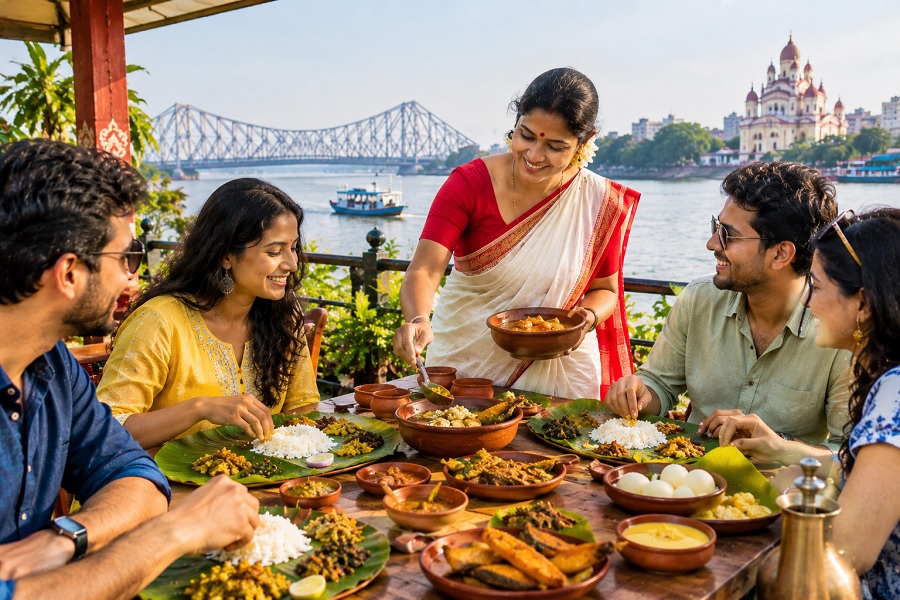
Kolkata is particularly important for travellers interested in Bengali cuisine, sweets, seafood and traditional food culture.
Goa
Goa offers a distinctive culinary identity shaped by local traditions and historical cultural influences, making it an attractive destination for food-focused travel.
Kerala
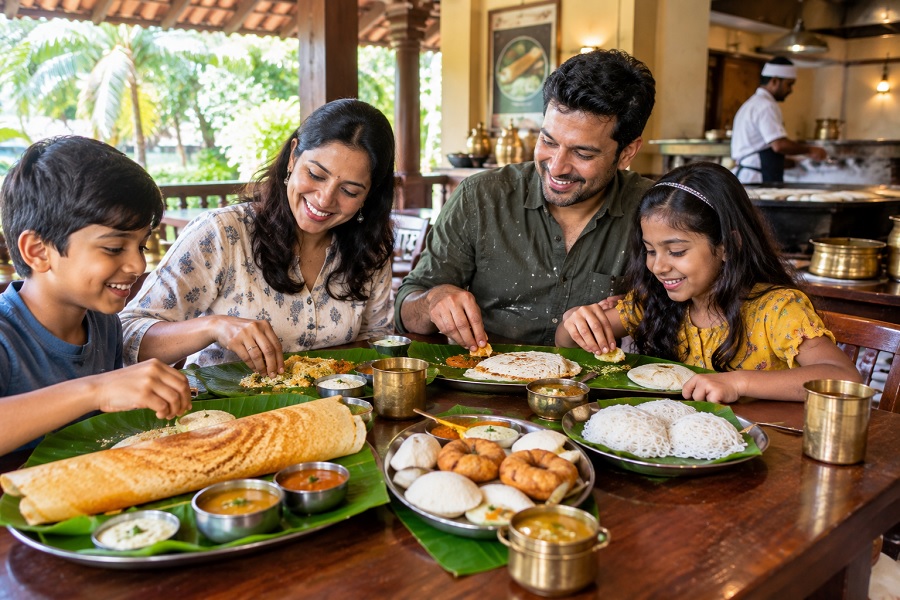
Kerala provides opportunities to explore regional vegetarian cuisine, spices, seafood traditions, backwater food experiences and traditional cooking.
Rajasthan
Rajasthan offers culinary experiences connected to royal heritage, desert ingredients, traditional cooking methods and regional dishes.
Why Modern Indian Cuisine Matters to Tourism
Contemporary Indian cuisine can help destinations attract travellers who plan trips around food.
When regional dishes and ingredients become tourism experiences, local communities, farmers, artisans, chefs and hospitality businesses can all become part of the visitor economy.
Culinary tourism can also help preserve lesser-known recipes by giving traditional knowledge a new audience.
The Future of Contemporary Culinary Tourism
The future of Indian culinary tourism is likely to be shaped by a combination of regional authenticity and contemporary creativity.
Travellers are increasingly interested in food that has a story. Chefs are exploring regional ingredients, traditional techniques and lesser-known cuisines while presenting them in modern formats.
India's 2026 restaurant scene reflects this shift, with leading restaurants combining regional identity, refined techniques, distinctive ingredients and new dining formats.
This creates a strong opportunity for tourism destinations to develop food trails, culinary festivals, cooking experiences, farm visits and chef-led cultural programmes.
Conclusion
Modern Indian cuisine is not about replacing traditional food. It is about discovering new ways to present, preserve and celebrate India's diverse culinary heritage.
For travellers, contemporary culinary tourism offers an opportunity to explore India through regional ingredients, traditional recipes, modern restaurants, food markets, festivals, farms and local communities.
As Indian chefs continue to explore hyper-regional cuisines and contemporary techniques, food is becoming an increasingly important reason to travel. The result is a culinary tourism experience that connects tradition, innovation, culture and destination discovery.