Modern Architecture in India: A Rising Symbol of Innovation and Urban Identity
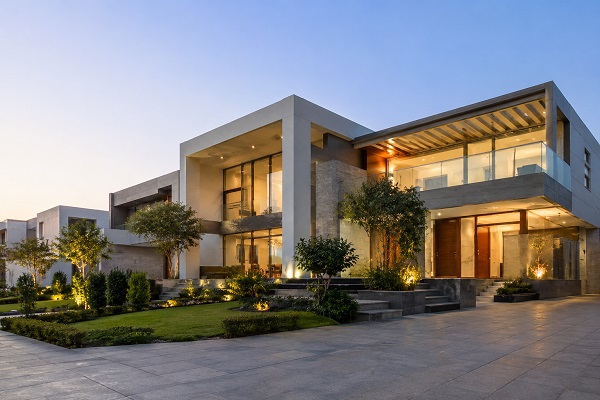
Modern architecture in India reflects the country’s rapid transformation into a global economic and cultural powerhouse. From futuristic skyscrapers to sustainable smart buildings, India’s urban landscape is evolving with a blend of creativity, technology, and cultural influence.
Today, cities like Mumbai, Delhi, Bengaluru, Hyderabad, and Ahmedabad are showcasing world-class architectural designs that compete with global standards while still retaining an Indian essence.
Evolution of Modern Architecture in India
Modern architecture in India began gaining momentum after independence, but the real transformation happened in the last two decades with globalization, IT growth, and urban expansion.
Earlier Indian architecture was dominated by heritage styles—Mughal, Dravidian, Rajput, and colonial influences. Now, architects are blending these traditional elements with modern design principles like:
Glass and steel skyscrapers
Sustainable and green buildings
Smart infrastructure integration
Minimalist and functional design
Energy-efficient construction
Iconic Examples of Modern Architecture in India
Mumbai – The Skyline Capital
Mumbai represents India’s most advanced skyline with projects like:
Bandra-Kurla Complex (BKC)
Antilia (residential marvel)
Lodha World Towers
Delhi – Fusion of Heritage and Modernity
Delhi combines historical monuments with futuristic buildings:
Lotus Temple (modern spiritual architecture)
Aerocity smart business district
Signature Bridge (engineering marvel)
Bengaluru – Silicon Valley Architecture
Known for tech-driven infrastructure:
UB City luxury complex
Eco-friendly IT parks
Innovative co-working spaces
Ahmedabad – Sustainable Urban Planning
Ahmedabad stands out for modern planning:
Sabarmati Riverfront development
CEPT University design influence
Smart city initiatives
Hyderabad – Cyber City Growth
Hyderabad showcases rapid modern expansion:
HITEC City skyscrapers
Cyber Towers
Mindspace IT Park
Sustainable Architecture in India
Modern Indian architecture is increasingly focused on sustainability. Architects are designing buildings that reduce environmental impact through:
Solar energy integration
Rainwater harvesting systems
Green rooftops and vertical gardens
Smart waste management
Natural ventilation systems
India is also adopting LEED-certified green buildings in major cities.
Future of Architecture in India
The future of Indian architecture is moving towards:
Smart cities with AI-based infrastructure
Eco-friendly urban planning
Mixed-use vertical developments
Drone-assisted construction monitoring
Digital twin city modeling
With rapid urbanization, India is expected to become one of the world’s largest hubs for modern architectural innovation.
Conclusion
Modern architecture in India is more than just buildings—it is a reflection of ambition, sustainability, and technological progress. As cities grow vertically and smartly, India is shaping a skyline that represents both tradition and futuristic vision.