Meditation and Mindfulness Tourism: Peaceful Wellness Journeys for 2026
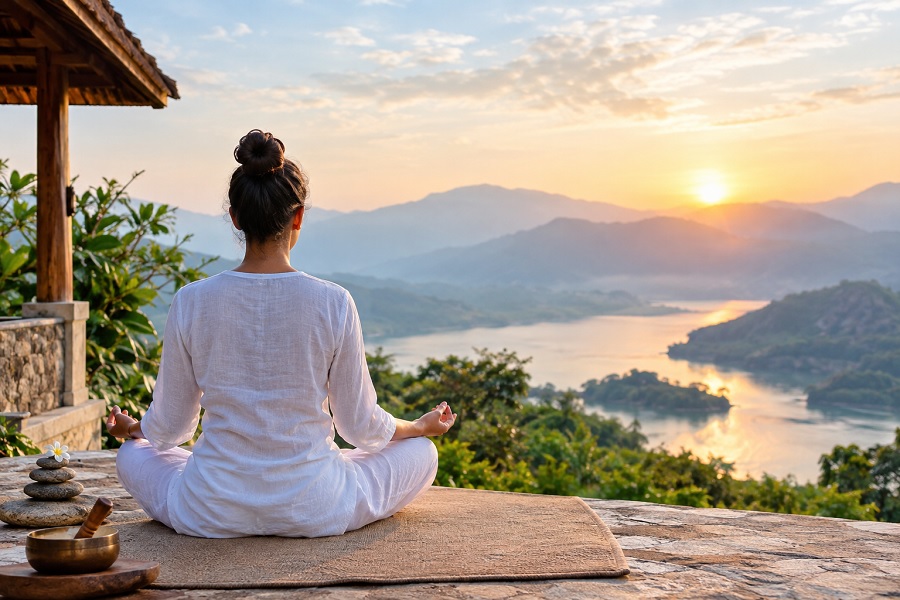
Meditation and Mindfulness Tourism: A Journey Toward Inner Wellbeing
Meditation and mindfulness tourism is becoming an increasingly popular form of wellness travel. Instead of focusing only on sightseeing and entertainment, travelers choose destinations where they can slow down, practice meditation, experience quiet surroundings, and learn techniques that encourage greater awareness and relaxation.
India has a long association with meditation, yoga, spiritual traditions, and contemplative practices. This makes it an attractive destination for travelers interested in combining tourism with personal wellbeing and mindful experiences.
What Is Meditation and Mindfulness Tourism?
Meditation tourism involves traveling to destinations specifically to participate in meditation programs, retreats, workshops, or related wellness experiences.
Mindfulness tourism focuses on activities that encourage travelers to pay attention to the present moment. These may include guided meditation, mindful walking, breathing exercises, yoga, nature experiences, and periods of digital disconnection.
The goal is generally to create a slower and more intentional travel experience.
Why Is Mindfulness Tourism Growing?
Modern travel can sometimes involve busy itineraries, crowded destinations, and constant digital connectivity. Mindfulness-focused travel offers an alternative by giving travelers opportunities to spend time in peaceful environments.
Travelers may choose these experiences to relax, establish healthier routines, learn meditation techniques, or simply enjoy a quieter holiday.
Meditation Retreats in India
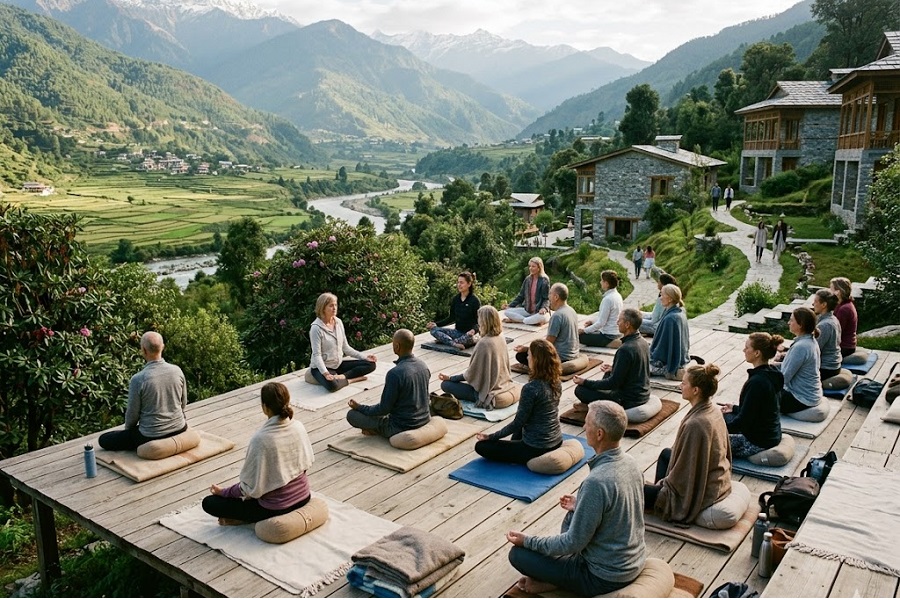
India offers a wide range of meditation experiences across different regions. Travelers can find retreats in peaceful ashrams, wellness centers, nature resorts, mountain areas, and countryside locations.
Popular destinations for meditation and mindfulness experiences include areas around Rishikesh, Dharamshala, Kerala, Goa, Karnataka, Maharashtra, and other regions with established wellness traditions.
Programs vary considerably, so travelers should research the retreat's approach, schedule, accommodation, facilities, and instructors before booking.
Types of Meditation Tourism Experiences
Meditation tourism can include different types of experiences depending on the destination and retreat.
Some common options include:
Guided meditation retreats
Silent retreats
Mindfulness workshops
Breathing and relaxation sessions
Yoga and meditation programs
Nature meditation
Mindful walking
Digital detox retreats
Spiritual retreats
Wellness resort programs
Travelers can choose an experience based on their comfort level, interests, schedule, and preferred environment.
Mindfulness and Nature Travel
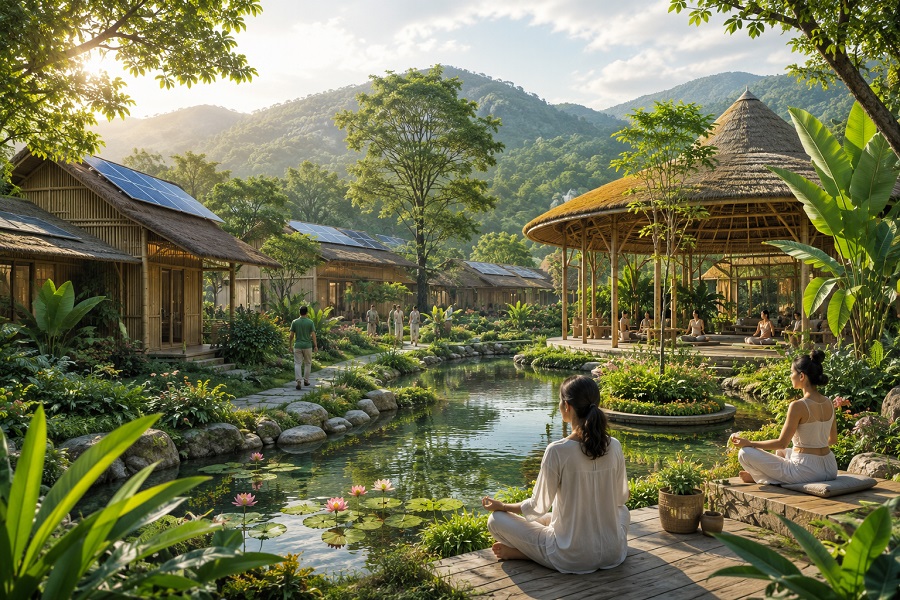
Nature can provide a peaceful setting for mindfulness activities. Forests, mountains, beaches, gardens, riversides, and countryside landscapes can encourage travelers to slow down and observe their surroundings.
Mindful nature walks may involve paying attention to sounds, sights, smells, textures, and breathing while walking at a relaxed pace.
Yoga and Meditation Tourism
Yoga and meditation are often combined in wellness travel programs. A typical retreat may include yoga sessions in the morning, meditation periods, healthy meals, relaxation activities, and educational workshops.
Travelers interested in these programs should check whether the sessions are suitable for beginners or intended for experienced practitioners.
Digital Detox and Mindful Travel
Smartphones and constant online communication can make it difficult for travelers to disconnect. Some mindfulness retreats offer designated periods without digital devices.
A digital detox experience may encourage visitors to spend more time reading, walking, meditating, journaling, or interacting with their surroundings.
Travelers should check the retreat's rules before arrival because digital-device policies can vary.
Meditation Tourism for Solo Travelers
Meditation retreats can be particularly suitable for solo travelers who want to explore a destination at a slower pace.
Structured programs can provide a daily routine while still allowing personal time. Travelers may also meet people with similar interests through group meditation, workshops, and shared activities.
Meditation Tourism for Couples
Couples can choose mindfulness retreats as an alternative to conventional vacations. Joint meditation sessions, nature walks, yoga classes, and wellness activities can become shared experiences.
Some wellness properties also offer private sessions and couple-focused packages.
Family Mindfulness Experiences
Certain wellness centers provide family-friendly meditation and mindfulness activities. Simple breathing exercises, nature walks, creative activities, and guided relaxation can introduce children to the idea of mindful awareness.
Families should select programs specifically designed for their children's age group rather than assuming that adult meditation programs are suitable for young children.
Mindful Food Experiences
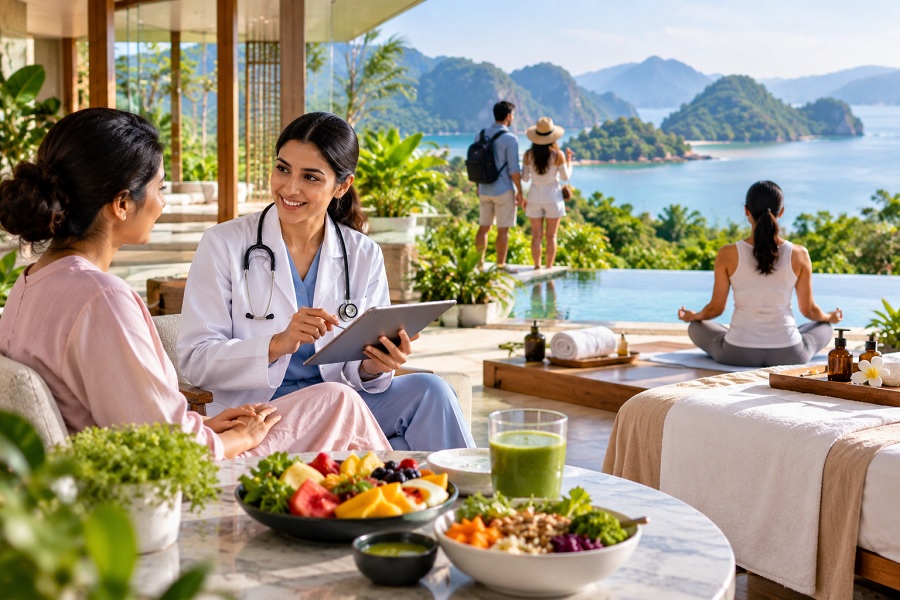
Food can also become part of a mindfulness-focused holiday. Travelers may encounter programs featuring vegetarian meals, traditional regional cuisine, fresh ingredients, mindful eating sessions, and cooking workshops.
Mindful eating encourages people to pay attention to the taste, texture, aroma, and pace of eating.
Choosing a Meditation Retreat
Before booking a meditation or mindfulness retreat, travelers should consider:
Retreat duration
Location
Accommodation
Daily schedule
Meditation style
Instructor qualifications and experience
Food options
Group size
Digital-device policies
Cost and inclusions
Cancellation policies
Reading recent guest reviews and checking information directly with the retreat provider can also help travelers understand what to expect.
What to Pack
Packing for a meditation retreat is generally simple. Comfortable clothing, walking shoes, a reusable water bottle, personal toiletries, and any required medications or personal essentials can be useful.
Travelers may also want to carry a notebook for journaling and a light shawl or layer for early-morning or evening sessions.
Responsible Mindfulness Tourism
Travelers should respect the rules and cultural practices of the retreat or destination. When visiting spiritual or traditional centers, modest clothing and respectful behavior may be expected.
Supporting locally operated accommodations, guides, food producers, and wellness providers can also contribute to the local tourism economy.
Benefits of Mindful Travel
Mindfulness tourism can provide travelers with time away from busy routines and opportunities to develop new relaxation and awareness practices.
However, meditation retreats should not be considered a substitute for professional medical or mental-health care. People with specific health concerns should seek appropriate professional guidance when necessary.
Future of Meditation and Mindfulness Tourism
The wellness travel sector continues to expand, and mindfulness experiences are becoming part of a broader range of travel products. Hotels, resorts, retreat centers, and tourism destinations are increasingly incorporating meditation spaces, yoga programs, nature activities, and wellness workshops into their offerings.
Travelers are also showing interest in shorter mindfulness experiences that can be incorporated into weekend trips rather than requiring long residential retreats.
Conclusion
Meditation and mindfulness tourism offers a different way to experience travel by combining exploration with quiet time, awareness, and personal wellbeing. From traditional meditation retreats and yoga programs to mindful nature walks and digital detox holidays, travelers can choose experiences that fit their interests and travel style.
India's diverse landscapes and longstanding wellness traditions provide numerous opportunities for people interested in meditation-focused travel. With careful research and responsible participation, a mindfulness holiday can become a meaningful addition to a wider travel experience.