Middle East Conflict Threatens Global LNG Supply Outlook by Amit Gupta, Kedia Advisory
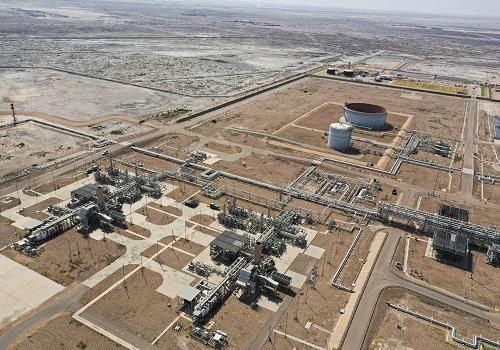
The International Energy Agency warns that escalating Middle East tensions could disrupt around 120 bcm of global LNG supply between 2026 and 2030, equivalent to 15% of projected supply. The closure of the Strait of Hormuz has already halted LNG flow growth, significantly impacting exports from Qatar and the UAE. Short-term disruptions, coupled with potential infrastructure damage and project delays such as QatarEnergy’s North Field expansion, are expected to tighten supply. Although new liquefaction projects may offset losses in the long term, near-term supply growth will remain constrained, prompting downward revisions in global gas demand forecasts.
Key Highlights
* Middle East conflict may disrupt 120 bcm LNG supply during 2026–2030 period
* Strait of Hormuz closure cuts monthly LNG supply by nearly 10 bcm
* Qatar and UAE exports severely impacted with 20 bcm losses in March-April
* Potential damage to Qatar facilities could reduce output by 70 bcm by 2030
* Delays in North Field expansion may further reduce supply by 20 bcm
Global natural gas markets are witnessing heightened volatility as geopolitical tensions in the Middle East disrupt LNG supply dynamics. Prices have remained firm amid tightening supply conditions, supported by the closure of the Strait of Hormuz, a critical transit route for LNG cargoes. The disruption has effectively stalled LNG supply growth, with significant export losses from major producers like Qatar and the United Arab Emirates.
Supporting the price strength, the International Energy Agency highlighted that each month of disruption in the Strait results in an estimated 10 bcm reduction in LNG supply. The combined supply loss from Qatar and the UAE alone reached approximately 20 bcm during March and April, reflecting the severity of the disruption. This supply crunch has intensified concerns over near-term availability, keeping global gas prices elevated.
Further exacerbating the situation, potential damage to Qatar’s LNG infrastructure could reduce output by nearly 70 bcm by 2030, assuming extended repair timelines. Additionally, delays in QatarEnergy’s North Field East expansion project are expected to cut another 20 bcm of supply during 2026–2030. These factors collectively contribute to a projected cumulative loss of 120 bcm, or 15% of expected global LNG supply over the period.
While new liquefaction facilities are expected to come online eventually and offset some losses, the immediate impact remains significant. The IEA has already indicated that prolonged disruptions will dampen demand growth and lead to downward revisions in global consumption forecasts.
Ongoing Middle East tensions pose a serious risk to LNG supply stability, sustaining price strength while delaying future supply growth and weakening global demand outlook in the near term.
Above views are of the author and not of the website kindly read disclaimer