Oil Surges Above $110 Amid Escalation, Hormuz Disruption by Amit Gupta - Kedia Advisory
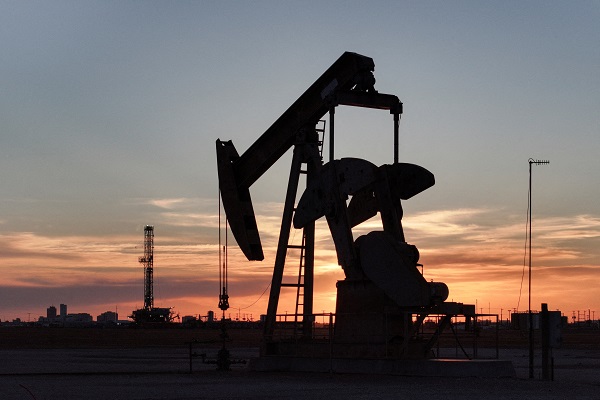
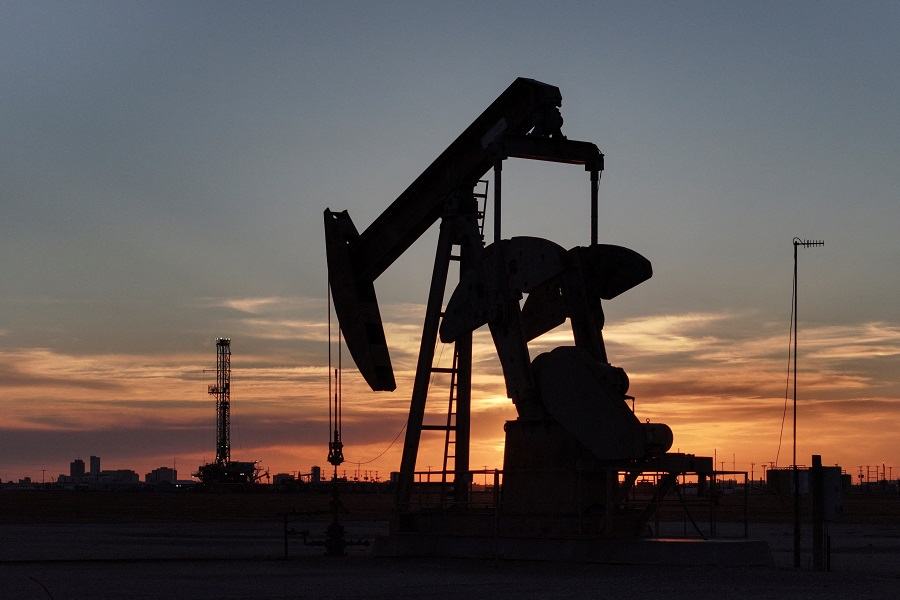
Oil prices rallied sharply above $110/bbl as escalation fears in the Iran conflict intensified after Donald Trump warned of potential strikes. Disruptions in the Strait of Hormuz have severely tightened global supply, with tanker traffic collapsing and physical market backwardation widening significantly. Despite a symbolic output hike by OPEC+, supply constraints persist. Saudi Arabia raised official selling prices, reflecting tight market conditions. Meanwhile, the US is releasing crude from its Strategic Petroleum Reserve to ease shortages. Strong speculative positioning continues to support bullish sentiment in oil markets.
Key Highlights
* Oil jumps above $110 as escalation fears intensify.
* Hormuz disruption cuts tanker traffic by nearly 90%.
* Market backwardation widens, signaling tight supply.
* OPEC+ output hike remains largely symbolic.
* US releases SPR crude to ease supply pressure.
Crude oil prices extended their rally, with Brent trading above $111 per barrel and WTI climbing near $116, marking the highest levels since mid-2022. The surge follows renewed geopolitical tensions after Donald Trump signaled a potential escalation in military action against Iran, raising concerns over prolonged disruption to oil flows through the critical Strait of Hormuz.
Price momentum has been supported by severe physical tightness in the market. The NYMEX WTI prompt spread has widened sharply into deep backwardation, reflecting immediate supply shortages. Tanker traffic through Hormuz remains drastically reduced—down nearly 90% from pre-conflict levels—highlighting the scale of disruption to global energy flows. Although limited exemptions have been granted for Iraqi shipments, overall transit remains constrained.
Efforts to stabilize supply have had limited impact so far. OPEC+ announced a modest increase in output targets by 206,000 barrels per day for May, but the move is largely symbolic as logistical bottlenecks continue to restrict actual exports. Saudi Arabia has further underscored tight conditions by raising official selling prices to Asia to record premiums.
On the demand-supply balancing front, the United States has stepped in by releasing crude from its Strategic Petroleum Reserve, with plans to inject significant volumes into the market over the coming months. However, inventories are projected to fall to multi-decade lows, limiting the long-term effectiveness of this measure.
Investor sentiment remains strongly bullish, with speculative positions in Brent reaching their highest levels since 2018, driven by persistent geopolitical risks and supply uncertainty.
Finally, oil markets remain firmly supported by geopolitical risks and supply disruptions, with limited relief from policy actions, keeping prices elevated and volatility high in the near term.
Above views are of the author and not of the website kindly read disclaimer