IGC Cuts Global Grain Output Outlook Amid Fertilizer Concerns by Amit Gupta, Kedia Advisory
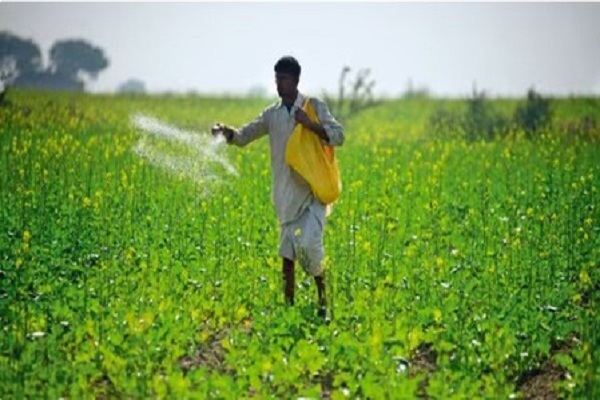
The International Grains Council (IGC) has reduced its 2026–27 global grain production forecast by 3 million tonnes to 2,414 million tonnes, citing concerns over fertilizer affordability due to disruptions from the West Asia conflict. Output for key crops like wheat and maize is expected to decline, although total production will still be the second highest on record. Consumption estimates have also been trimmed by 3 million tonnes to 2,437 million tonnes, while inventories are projected to rise. Despite strong production in 2025–26, global supply in 2026–27 is expected to tighten slightly due to lower output and only partial support from carry-in stocks.
Key Highlights
* IGC cuts 2026–27 global grain output forecast by 3 MMT
* Production seen at 2,414 MMT, still second-highest on record
* Fertilizer affordability concerns weigh on crop outlook
* Global consumption reduced by 3 MMT to 2,437 MMT
* Supply outlook slightly tight despite higher carry-in stocks
Global grain markets are witnessing cautious sentiment as production outlooks soften for the upcoming season. The International Grains Council (IGC) has revised down its 2026–27 global grain output forecast by 3 million tonnes to 2,414 million tonnes. This adjustment reflects growing concerns over input costs, particularly fertilizers, which are impacting planting decisions and expected yields across major producing regions.
The downward revision comes amid ongoing geopolitical tensions in West Asia, which have disrupted fertilizer supply chains and increased affordability concerns. These challenges are influencing farmer behavior, especially in regions where input availability remains uncertain. As a result, production prospects for key crops such as wheat and maize have been trimmed, contributing to the overall decline in global output projections.
Despite the reduction, total production for 2026–27 is still expected to be the second highest on record, indicating underlying resilience in global agriculture. However, consumption has also been revised lower by 3 million tonnes to 2,437 million tonnes, suggesting a moderation in demand growth. Meanwhile, global inventories are projected to rise, offering some cushion against supply-side risks.
Looking at the broader trend, the 2025–26 season is expected to register a record output of 2,474 million tonnes, supported by favorable conditions and improved yields. Stocks are forecast to expand significantly due to slower consumption growth, while global trade is expected to rise by 6% to 451 million tonnes.
While global grain output remains historically high, rising input costs and geopolitical disruptions may tighten supply dynamics, keeping markets sensitive to production and policy developments ahead.
Above views are of the author and not of the website kindly read disclaimer




.jpg)