Kids’ Food Learning Tourism: Fun Culinary Experiences for Children and Families
Kids’ Food Learning Tourism: Fun and Educational Culinary Experiences
Kids’ Food Learning Tourism is an engaging form of family and educational tourism that introduces children to food through travel, cooking, farming, tasting, culture and hands-on activities. Instead of simply eating at a destination, children can learn where ingredients come from, how food is prepared and how local food traditions are connected to communities.
Food-based learning experiences can include farm visits, cooking workshops, food museums, local markets, traditional kitchens and child-friendly culinary activities. Current food-education programmes increasingly use hands-on experiences to connect children with food, culture and the natural world.
What Is Kids’ Food Learning Tourism?
Kids’ Food Learning Tourism combines travel with age-appropriate food education. Children can participate in activities such as planting vegetables, harvesting ingredients, preparing simple dishes, learning about regional recipes and discovering traditional food practices.
The concept turns food into an interactive learning subject. Children can learn about geography, agriculture, nutrition, culture and basic life skills while enjoying a family trip.
Why Kids’ Food Learning Tourism Is Becoming Popular
Many children experience food mainly after it reaches the dining table. Farm and culinary tourism can help them understand the journey from ingredients to finished meals.
Recent research into children's farm visits found that hands-on experiences can improve understanding of the farm-to-fork journey and connect classroom learning with real-world experiences.
Some important benefits include:
Learning where food comes from
Developing curiosity about ingredients
Understanding farming and agriculture
Exploring local food cultures
Practising basic cooking skills
Learning about food waste
Encouraging family participation
Building appreciation for farmers and food producers
Farm-to-Table Learning Experiences
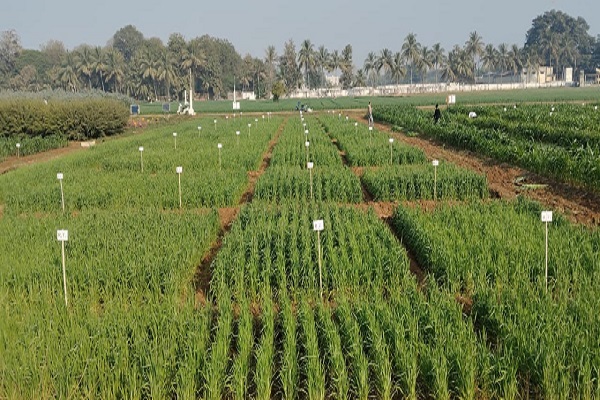
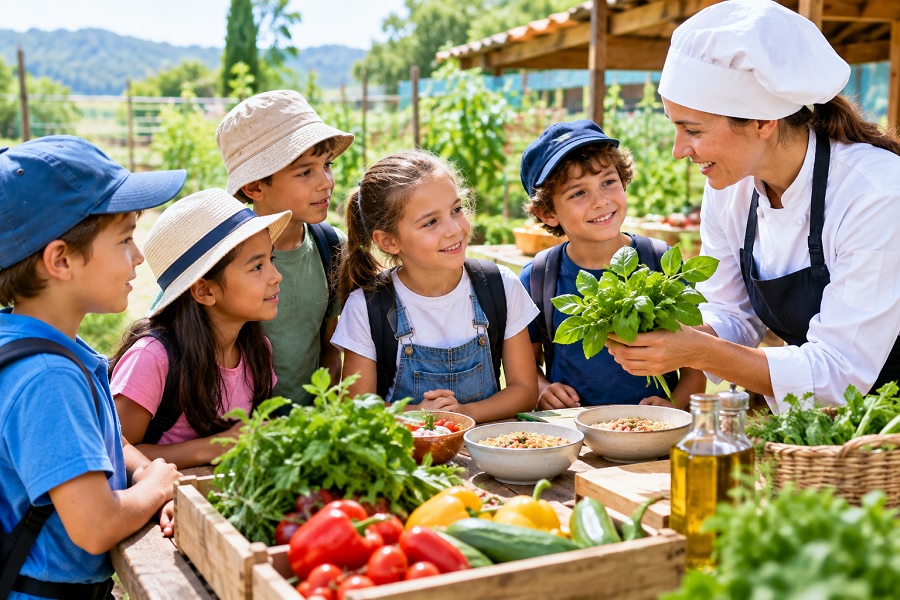
A farm visit can be one of the most interesting parts of a children's food-learning trip. Children can observe crops, meet farmers, learn about soil and understand how vegetables, fruits and grains are produced.
Some educational farm programmes allow children to participate in harvesting and food preparation, creating a direct connection between farming and meals.
A simple farm-to-table itinerary could include:
Visiting a farm
Learning about crops
Observing harvesting
Collecting selected ingredients
Preparing a simple dish
Sharing the finished food
Kids’ Cooking Workshops
Cooking workshops can make food education more interactive. Children can learn age-appropriate preparation techniques under adult supervision and discover how different ingredients change during cooking.
Some Indian culinary experiences specifically offer children hands-on cooking activities, including simple dishes and desserts.
For younger children, no-cook or low-risk activities can include:
Mixing ingredients
Decorating food
Washing vegetables
Making simple salads
Preparing sandwiches
Shaping dough
Measuring ingredients
Older children can participate in more advanced supervised activities according to their age and the programme's safety rules.
Exploring Local Food Markets
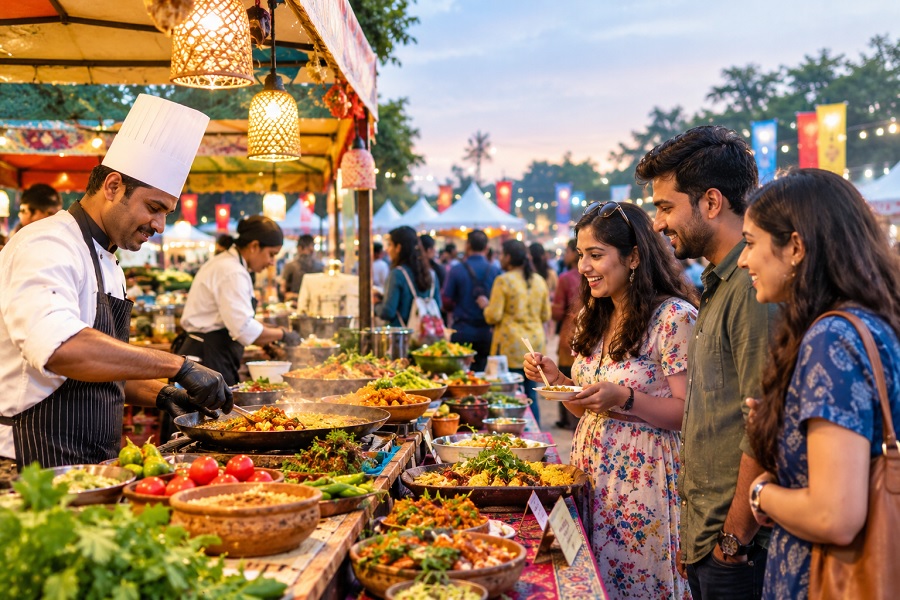
Local markets can provide an educational introduction to regional food culture. Children can see fresh vegetables, fruits, grains, spices and traditional ingredients that may not be familiar to them.
Parents can turn a market visit into a simple learning activity by asking children to identify ingredients, compare colours and shapes, and learn which foods are locally produced.
Learning About Traditional Recipes
Traditional recipes can help children understand the connection between food and culture. A cooking workshop led by a local cook or artisan can explain how a dish is prepared and why it is associated with a particular region or festival.
Family food programmes can also encourage children to document recipes and food stories, helping preserve culinary traditions across generations.
Kids’ Food and Cultural Tourism
Food is closely connected with local identity. During a family trip, children can discover how different regions use different ingredients, cooking methods and food traditions.
For example, a cultural food tour might include:
Traditional kitchens
Local food markets
Regional cooking demonstrations
Sweet-making workshops
Farm visits
Heritage food walks
Local recipe storytelling
This approach allows children to experience culture through taste, observation and participation.
Food Science Activities for Children
Food can also become a simple science lesson. Children can learn about changes in texture, temperature, fermentation, mixing and preservation through supervised activities.
A food-learning tourism programme could include demonstrations explaining:
Why dough rises
How fruits and vegetables grow
How grains are processed
How spices are produced
Why foods change during cooking
How traditional preservation works
The activities should always be adapted to the child's age and conducted safely.
Teaching Children About Food Waste
Food tourism can also introduce children to sustainability. Farm and food experiences can explain how much effort goes into producing food and why reducing unnecessary waste matters.
Children can learn about:
Food scraps
Composting
Seasonal ingredients
Local produce
Reusable containers
Responsible consumption
Some children's food programmes combine farming, cooking and waste-management activities to make sustainability easier to understand through direct experience.
Kids’ Food Photography and Journaling
Older children can document their culinary experiences through photographs, drawings or travel journals.
They can record:
New ingredients they discovered
Local dishes they tasted
Interesting recipes
Photos of markets
Farm observations
Cooking activities
Food-related cultural stories
This can turn a food trip into a creative educational project.
Family Food Learning Activities
Parents can actively participate alongside children. Family activities can include preparing a regional dish, visiting a farm, exploring a food museum or attending a local cooking workshop.
Shared cooking experiences can encourage communication, cooperation and participation between children and parents. Family food education programmes increasingly use interactive activities to encourage these shared experiences.
Kids’ Food Learning Tourism in India
India offers diverse opportunities for food-focused educational travel because every region has its own ingredients, recipes and culinary traditions.
Families can explore:
Maharashtrian food traditions
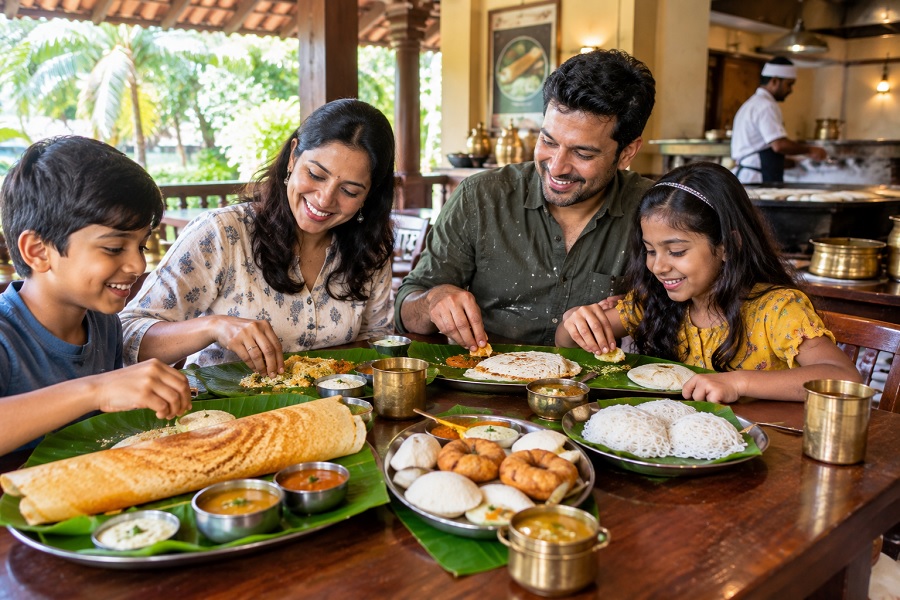
South Indian cooking experiences
Rajasthani culinary heritage
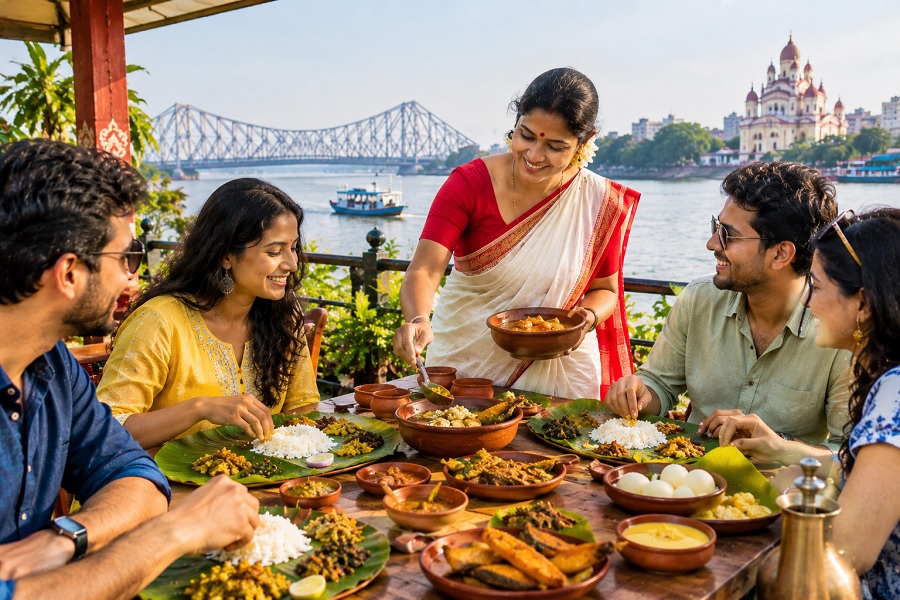
Bengali sweets and cuisine
Gujarati traditional foods
Kerala spice and coconut-based cuisine
Himalayan food traditions
Indian millet and grain experiences
Agritourism destinations in Maharashtra also offer educational experiences connecting children with farming, food, rural culture and local traditions.
How to Plan a Kids’ Food Learning Trip
Choose Age-Appropriate Activities
Select experiences based on the child's age, attention span and interests. Short, interactive activities are generally easier for younger children.
Check Safety Arrangements
Cooking activities should have appropriate adult supervision and clear safety procedures. Parents should check the programme's rules before booking.
Include Variety
Combine different activities rather than spending the entire day on one workshop. A farm visit followed by a cooking activity and a local food market can create a more engaging itinerary.
Consider Dietary Requirements
Families should inform organisers about relevant food allergies, intolerances or dietary restrictions before participating in tastings or cooking sessions.
Leave Time for Exploration
Children need breaks and free time. A relaxed itinerary can make the learning experience more enjoyable.
Future of Kids’ Food Learning Tourism
The future of Kids’ Food Learning Tourism is likely to combine culinary education, farm experiences, sustainability, culture and interactive technology.
Food museums, farms, resorts, cooking studios and tourism destinations can create programmes where children learn by doing rather than simply listening. Current examples already include farm-to-table role-play, children's cooking programmes and interactive food education experiences.
Conclusion
Kids’ Food Learning Tourism turns food into an exciting educational journey. From visiting farms and local markets to preparing traditional dishes and learning about food waste, children can discover how food connects agriculture, culture, science and everyday life.
For families, these experiences can combine learning, creativity, exploration and quality time together. With appropriate supervision and age-friendly activities, a food-focused trip can become a memorable part of a child's travel and learning experience.