How to Plan a Seasonal Adventure Calendar for Your Travel Bucket List
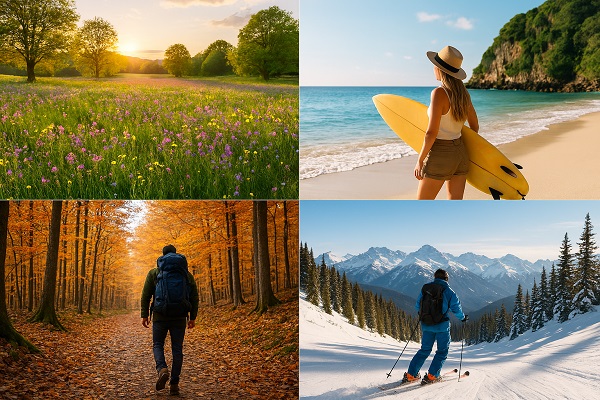
If you’re an avid traveler or an adventure seeker, there’s nothing more exciting than exploring new destinations tailored to the unique charms of each season. Planning a seasonal adventure calendar can transform your travel bucket list into a year-round journey filled with diverse experiences—from blooming spring hikes to cozy winter escapes. Here’s a step-by-step guide to help you map out an unforgettable seasonal adventure calendar that maximizes every month of the year.
1. Understand the Seasons and Their Highlights
Start by familiarizing yourself with what each season offers around the world or in your region. For example:
Spring: Wildflower blooms, mild weather, and wildlife migrations.
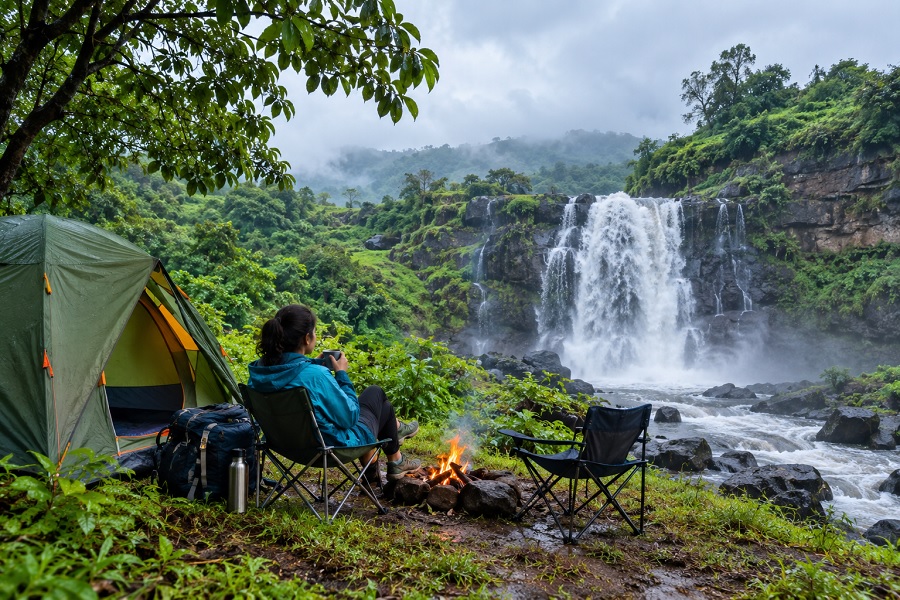
Summer: Beach escapes, mountain hikes, water sports, and festivals.
Autumn: Vibrant fall foliage, harvest festivals, and cooler hiking conditions.
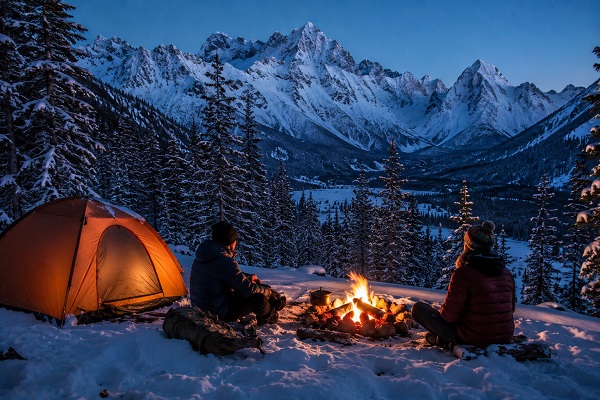
Winter: Snow sports, holiday markets, and scenic winter landscapes.
Knowing these will help you align your adventure plans with the best seasonal activities.
2. Define Your Adventure Preferences
Are you into hiking, skiing, cultural festivals, or wildlife safaris? Make a list of adventure types you enjoy or want to try. This clarity will help you pick the right destinations and experiences each season.
3. Research Seasonal Destinations
Look for places renowned for seasonal attractions. For instance:
Spring: Cherry blossom spots in Japan, tulip fields in the Netherlands.
Summer: Mediterranean beaches, Canadian Rockies hiking trails.
Autumn: New England for leaf-peeping, grape harvest tours in France.
Winter: Swiss Alps for skiing, Lapland for Northern Lights.
Use travel blogs, official tourism websites, and social media to find hidden gems and current trends.
4. Map Out Your Calendar
Create a visual calendar (digital or paper) and mark the months with ideal destinations and adventures. Consider travel time and local climate to avoid unfavorable conditions. For example, plan a spring hiking trip in April-May and a winter ski trip in December-January.
5. Budget and Logistics Planning
Once you have destinations and timelines, estimate your budget. Factor in flights, accommodations, gear rentals, permits, and food. Booking early can save money, especially for peak-season trips.
6. Prepare Gear and Training
Each season demands different gear. Spring and autumn may require layered clothing and sturdy hiking boots; summer calls for sun protection and water gear; winter requires thermal clothing and snow equipment. Also, consider physical preparation—training for hiking or skiing, for example.
7. Stay Flexible and Embrace Local Culture
Weather can be unpredictable. Build some flexibility into your plans and have backup options. Engage with local culture, festivals, and cuisine to enrich your adventure beyond just outdoor activities.
8. Document Your Journey
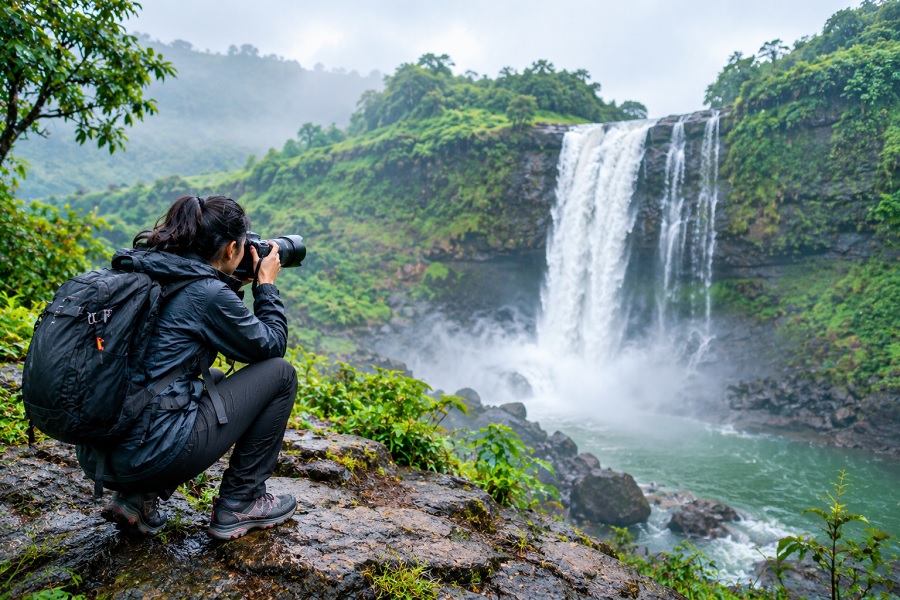
Keep a travel journal or blog to capture your seasonal adventures. Photos, videos, and notes will be great memories and inspire others to create their own seasonal calendars.
Final Thoughts
Planning a seasonal adventure calendar turns your travel bucket list into a dynamic and enriching experience, allowing you to appreciate the unique beauty of each season. Whether you chase cherry blossoms in spring or ski down snowy slopes in winter, careful planning ensures every trip is rewarding and hassle-free. Start now, and make every season a new adventure!