Winter Wilderness Camping: A Thrilling Adventure in Nature's Frozen Paradise
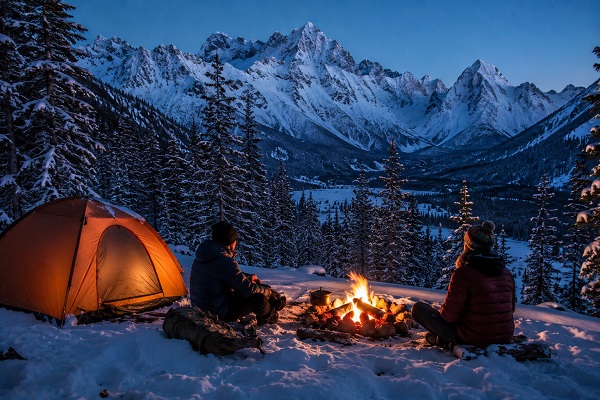
Winter wilderness camping is an unforgettable experience that allows outdoor enthusiasts to witness nature in its most peaceful and breathtaking form. Snow-covered forests, frozen lakes, and crisp mountain air create a magical atmosphere unlike any other season. While winter camping presents unique challenges, proper preparation and the right equipment make it a rewarding adventure filled with unforgettable memories.
One of the greatest attractions of winter camping is the tranquility. Popular hiking trails and campsites become quiet, offering campers the opportunity to enjoy solitude surrounded by pristine landscapes. The silence of freshly fallen snow, the sparkle of frost-covered trees, and the beauty of winter sunrises create an atmosphere that is both calming and inspiring.
Preparation is the key to a successful winter camping trip. Campers should wear multiple layers of moisture-wicking, insulating, and waterproof clothing to stay warm and dry. High-quality winter sleeping bags rated for sub-zero temperatures, insulated sleeping pads, four-season tents, and waterproof boots are essential for comfort and safety. Carrying extra food, water, and emergency supplies is equally important, as winter conditions can change rapidly.
Choosing the right campsite is another crucial factor. Look for sheltered areas protected from strong winds, avoid camping under snow-laden trees, and select level ground where snow can be compacted before pitching the tent. Building windbreaks with snow can provide additional protection against cold winds.
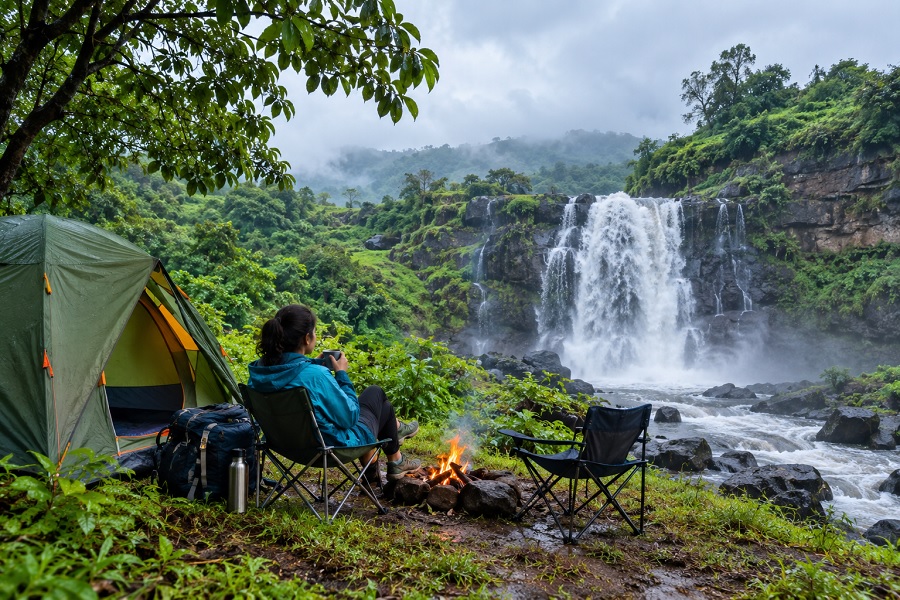
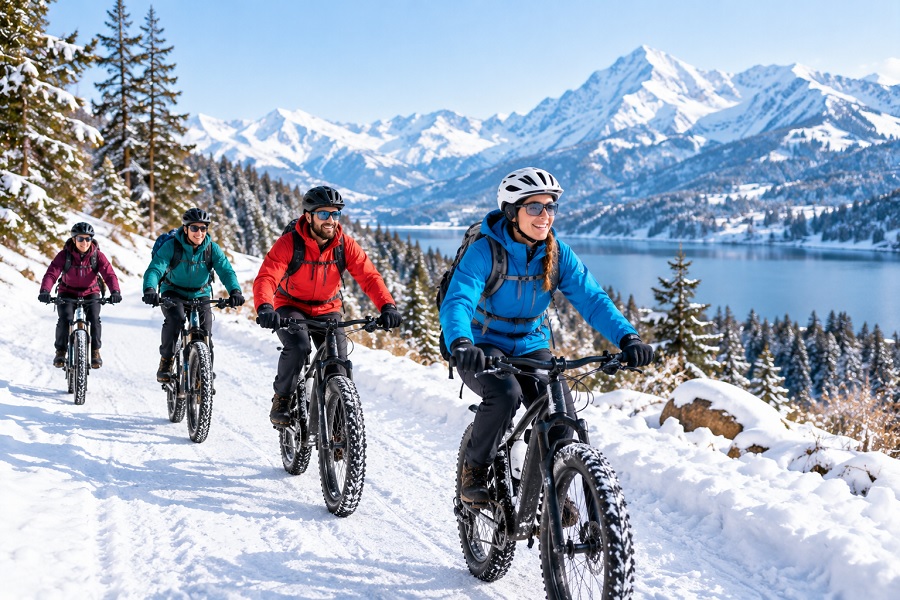
Winter camping also offers exciting recreational activities. Snowshoeing, cross-country skiing, ice fishing, wildlife photography, and stargazing under crystal-clear winter skies add excitement to the adventure. Campfires become especially enjoyable during cold evenings, offering warmth while campers prepare hot meals and share stories beneath the stars.
Safety should always remain the top priority. Campers should monitor weather forecasts, carry navigation tools such as maps and GPS devices, pack first-aid kits, and inform someone about their travel plans. Understanding the signs of hypothermia and frostbite can help prevent dangerous situations during extended outdoor stays.
Winter wilderness camping also provides a unique opportunity to observe wildlife adapted to cold environments. Animal tracks in fresh snow reveal the presence of foxes, deer, rabbits, and other creatures that remain active throughout winter. Respecting wildlife by maintaining a safe distance and following Leave No Trace principles helps preserve these beautiful natural habitats.
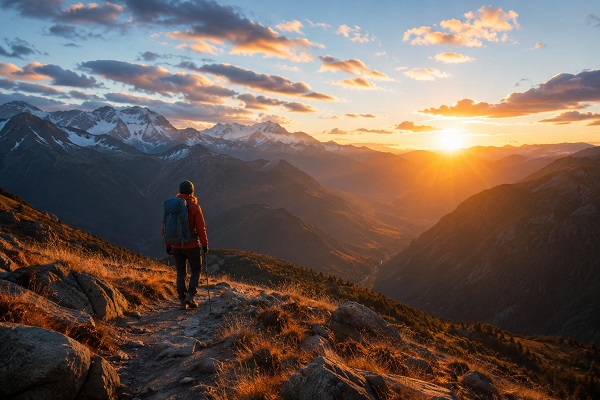
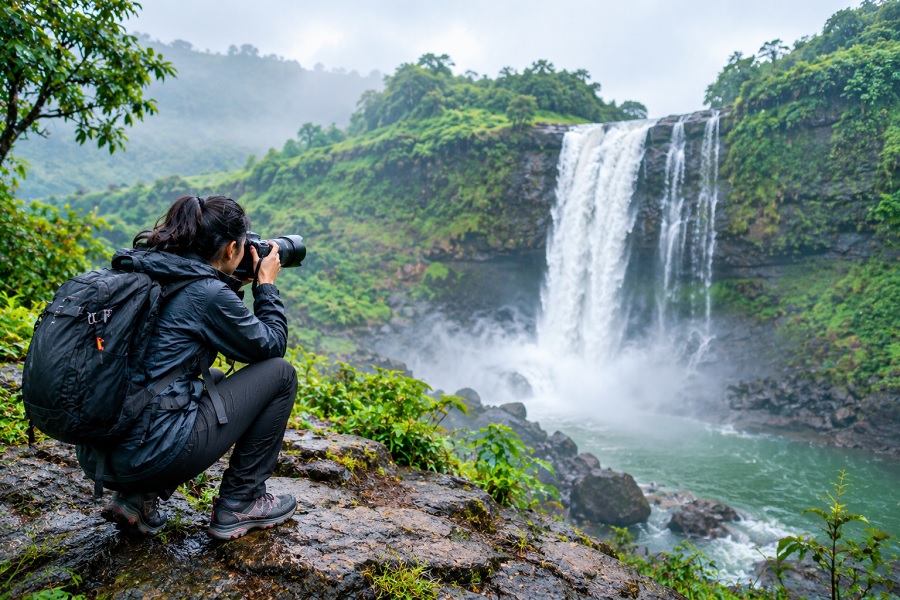
For photographers and nature lovers, winter landscapes offer endless opportunities to capture stunning scenery. Snow-covered mountains, frozen waterfalls, colorful sunsets reflecting on icy lakes, and star-filled night skies create breathtaking images that showcase nature's winter beauty.
Ultimately, winter wilderness camping is more than just an outdoor activity—it is an opportunity to disconnect from busy routines, challenge yourself, develop survival skills, and reconnect with nature. With careful planning, proper equipment, and respect for the environment, a winter camping adventure becomes an extraordinary journey filled with serenity, discovery, and lasting memories.