Green Tourism in India

Green Tourism in India: Building a Sustainable Future for Travel
Green tourism in India is rapidly becoming one of the most important trends in the travel industry. As travelers become more environmentally conscious, destinations across the country are promoting eco-friendly tourism experiences that protect nature, support local communities, and encourage responsible travel habits.
From the Himalayan mountains to Kerala’s backwaters, India offers countless opportunities for sustainable tourism that combines natural beauty with environmental responsibility.
What is Green Tourism?
Green tourism, also known as eco-tourism or sustainable tourism, focuses on reducing the negative impact of travel on the environment while supporting local culture and communities.
The main goals of green tourism include:
Protecting forests, rivers, and wildlife
Reducing pollution and waste
Promoting renewable energy
Supporting local businesses and villagers
Encouraging responsible travel behavior
Preserving cultural heritage
Green tourism allows travelers to enjoy nature while helping conserve it for future generations.
Why Green Tourism is Growing in India
India’s tourism industry is expanding rapidly, but uncontrolled tourism can harm ecosystems and historic destinations. Because of this, many states and tourism organizations are investing in eco-friendly tourism projects.
Several factors are driving the growth of green tourism:
Increased awareness about climate change
Demand for nature-based vacations
Growth of eco-resorts and sustainable hotels
Interest in village tourism and organic living
Government support for sustainable travel initiatives
Travelers today are choosing experiences that are meaningful, peaceful, and environmentally responsible.
Popular Green Tourism Destinations in India
Kerala
Known for its backwaters, eco-resorts, and responsible tourism projects, Kerala is one of India’s leading green tourism destinations.
Sikkim
India’s first fully organic state promotes eco-friendly farming, mountain tourism, and sustainable travel practices.
Himachal Pradesh
Eco camps, forest stays, and trekking tourism make Himachal a major destination for green travelers.
Uttarakhand
Yoga retreats, wildlife tourism, and eco-villages attract travelers looking for nature and wellness experiences.
Meghalaya
Clean villages, waterfalls, caves, and community tourism projects make Meghalaya a rising eco-tourism hotspot.
Rajasthan
Desert eco camps and rural tourism projects support local communities while preserving traditional lifestyles.
Eco-Friendly Tourism Activities
Green tourism offers unique and low-impact travel experiences such as:
Nature trekking
Wildlife safaris
Bird watching
Organic farm stays
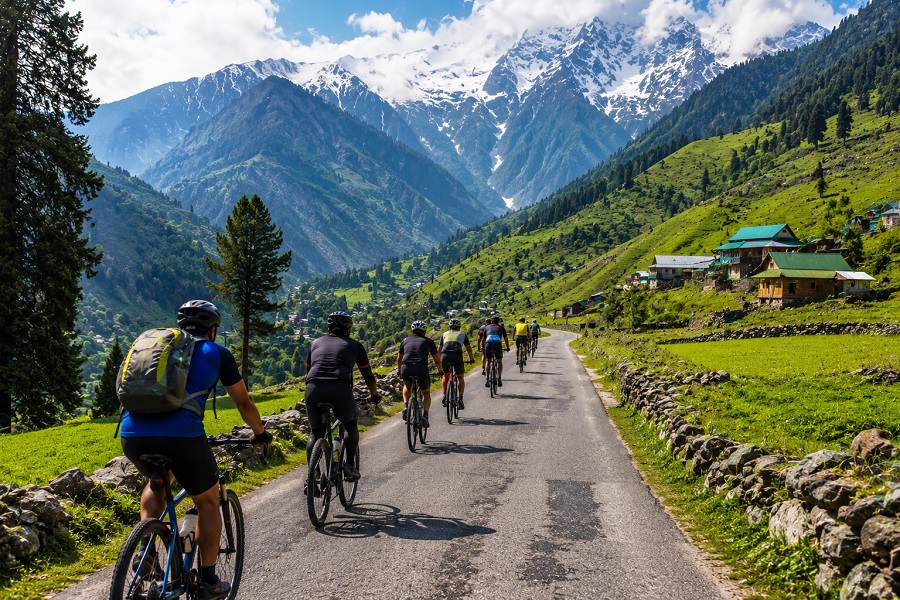
Cycling tours
Village homestays
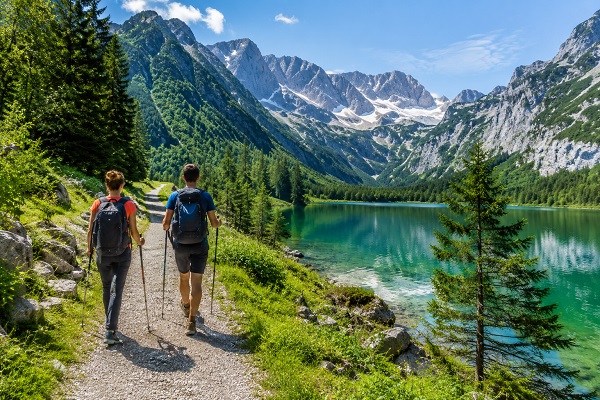
Camping and hiking
River conservation tours
Forest meditation retreats
These activities help travelers connect with nature without damaging the environment.
Benefits of Green Tourism
Environmental Protection
Eco-tourism encourages conservation of forests, wildlife, rivers, and natural landscapes.
Economic Growth for Local Communities
Village tourism and local businesses benefit directly from responsible tourism practices.
Cultural Preservation
Traditional art, handicrafts, local food, and cultural festivals gain recognition and support.
Better Travel Experiences
Green tourism often provides peaceful, less crowded, and more authentic travel experiences.
Challenges Facing Green Tourism in India
Despite its growth, green tourism still faces challenges:
Plastic pollution in tourist areas
Overcrowding in popular destinations
Lack of waste management systems
Deforestation near tourist regions
Poor awareness among travelers
Improving infrastructure and educating tourists remain important for sustainable tourism development.
How Travelers Can Support Green Tourism
Tourists can make a big difference by:
Avoiding plastic waste
Choosing eco-friendly accommodations
Respecting wildlife and local culture
Supporting local businesses
Conserving water and electricity
Traveling responsibly in natural areas
Simple travel habits can help protect India’s natural beauty.
The Future of Green Tourism in India
Green tourism is expected to grow strongly in the coming years. More destinations are adopting:
Solar-powered resorts
Plastic-free tourism zones
Eco-friendly transportation
Sustainable hospitality practices
Nature conservation programs
With increasing global interest in sustainable travel, India has the potential to become one of the world’s leading eco-tourism destinations.
Final Thoughts
Green tourism in India is more than just a travel trend. It represents a smarter and more responsible way to explore the country’s incredible landscapes, wildlife, villages, and cultural heritage.
As travelers continue to value sustainability and authentic experiences, eco-tourism will play a major role in shaping the future of Indian tourism while protecting nature for generations to come.