Global Safari Tourism: Best Wildlife Experiences and Sustainable Travel Trends

International Safari Tourism
International Safari Tourism is a popular form of wildlife and adventure tourism that allows travelers to explore natural habitats and observe wild animals in their environments. Safari experiences can include guided game drives, walking safaris, wildlife photography, birdwatching, conservation visits, and stays at lodges or camps close to protected areas.
Today, safari tourism is increasingly connected with wildlife conservation, responsible travel, local community participation, and sustainable tourism. In 2026, safari operators are placing greater emphasis on ethical wildlife viewing, conservation, community benefits, and less crowded experiences.
What Is International Safari Tourism?
International safari tourism involves traveling to another country specifically to experience wildlife, natural landscapes, and protected areas. Africa is particularly famous for safari tourism, but safari-style wildlife experiences are also available in countries such as India, Sri Lanka, Brazil, Australia, and other destinations with significant wildlife habitats.
A safari normally involves observing animals without disturbing their natural behavior. Common experiences include wildlife drives, walking excursions, photography safaris, birdwatching, and guided nature experiences.
Why International Safari Tourism Is Popular
Safari tourism provides travelers with an opportunity to experience wildlife beyond zoos and urban environments. Seeing elephants, lions, giraffes, rhinos, leopards, zebras, gorillas, or other wildlife in natural surroundings can create memorable travel experiences.
Modern travelers are also increasingly interested in trips that have a positive environmental and social impact. Responsible safari tourism can generate revenue for conservation projects and create employment and business opportunities for communities living near wildlife areas.
Popular International Safari Destinations
Kenya
Kenya is one of the world's best-known safari destinations. The Maasai Mara ecosystem is particularly famous for its wildlife and seasonal migration experiences.
Travelers can combine game drives with conservancy experiences, cultural activities, photography, and luxury or traditional safari camps.
Tanzania
Tanzania offers famous wildlife destinations including the Serengeti and Ngorongoro Conservation Area. Safari experiences can combine large wildlife populations with diverse landscapes and conservation-focused travel.
New safari concepts introduced for 2026 are also emphasizing slower travel, longer stays, ecological continuity, and greater engagement with less-pressured landscapes.
South Africa
South Africa offers a wide range of safari experiences, from major national parks to private reserves and luxury wildlife lodges. Visitors can combine safari trips with other attractions such as beaches, cities, wine regions, and cultural destinations.
Botswana
Botswana is known for its wilderness landscapes and wildlife experiences, particularly around the Okavango Delta and other protected areas. Safari experiences can include traditional game drives, boat-based wildlife viewing, and walking activities.
Zimbabwe
Zimbabwe offers wildlife experiences across destinations such as Hwange National Park. Conservation-focused tourism models in the country are increasingly connecting tourism revenue with wildlife protection and community benefits.
Zambia
Zambia is recognized for walking safari experiences and extensive wilderness areas. Guided walking experiences can provide travelers with a different perspective on wildlife and ecosystems.
Namibia
Namibia combines safari tourism with dramatic desert landscapes. Wildlife experiences can be combined with visits to desert environments, conservation areas, and unique geological attractions.
India
India provides a different type of safari experience, with opportunities to see Bengal tigers, leopards, elephants, rhinoceroses, deer, and many bird species in protected areas.
Sri Lanka
Sri Lanka offers wildlife experiences involving elephants, leopards, crocodiles, birds, and other species. However, safari tourism can be affected by environmental conditions. In September 2026, authorities temporarily restricted tourist access to core areas of Yala National Park because severe drought had created critical water shortages and wildlife welfare concerns.
Types of International Safari Experiences
1. Game Drive Safaris
Game drives are among the most popular safari experiences. Travelers use specially equipped vehicles with trained guides to observe wildlife from a safe distance.
2. Walking Safaris
Walking safaris provide a more immersive experience of the natural environment. Guides explain animal tracks, plants, ecosystems, and wildlife behavior.
3. Wildlife Photography Safaris
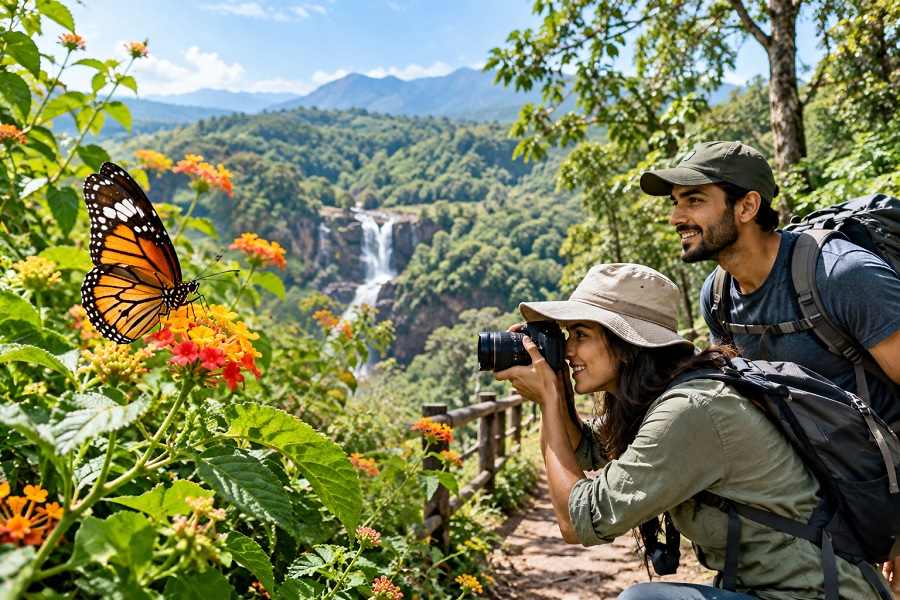
Photography-focused safaris are designed for travelers who want to capture wildlife and landscapes. Professional guides can help visitors understand animal behavior and choose suitable viewing locations.
4. Birdwatching Safaris
Birdwatching safaris focus on observing and photographing different bird species. They can be particularly attractive to nature enthusiasts and wildlife photographers.
5. Luxury Safari Tourism
Luxury safari lodges and camps combine wildlife experiences with premium accommodation, fine dining, private guides, wellness services, and personalized activities.
6. Family Safari Tourism
Family safaris can introduce children to wildlife and conservation. Family-oriented programs may include educational activities, nature walks, junior ranger programs, and age-appropriate wildlife experiences.
7. Conservation Safaris
Conservation-focused safaris allow travelers to understand how protected areas, wildlife monitoring, habitat restoration, anti-poaching programs, and community initiatives operate.
Sustainable International Safari Tourism
Sustainability has become one of the most important themes in modern safari tourism. Responsible operators increasingly focus on minimizing environmental impacts while ensuring that tourism contributes to wildlife conservation and local communities.
A sustainable safari can involve renewable energy, water conservation, responsible waste management, low-impact accommodation, wildlife-friendly practices, and support for conservation projects.
Importantly, sustainability should involve more than visible features such as solar panels. Travelers can look at where tourism revenue goes, how wildlife encounters are managed, how many vehicles are permitted around animal sightings, and whether local communities receive meaningful benefits.
Safari Tourism and Wildlife Conservation
Safari tourism can provide financial resources for wildlife conservation. Visitor fees, lodge revenues, conservation contributions, and employment can help support protected landscapes.
Funds may contribute to:
Wildlife monitoring
Ranger programs
Anti-poaching efforts
Habitat restoration
Wildlife research
Human-wildlife conflict reduction
Community development
Biodiversity conservation
The connection between tourism and conservation is especially important in areas where local communities live alongside wildlife. Research published in 2026 on wildlife management areas in northern Tanzania examined community perspectives on tourism benefits, revenue sharing, livelihoods, and conservation.
Safari Tourism and Local Communities
Local communities are an important part of responsible safari tourism. Tourism can provide employment for guides, drivers, hospitality workers, conservation staff, artisans, cooks, and other local businesses.
Community-based tourism can also help ensure that tourism revenue remains within destination communities.
Travelers can support local communities by choosing locally owned businesses, purchasing authentic local products, respecting cultural traditions, and selecting operators that clearly explain their community partnerships.
Ethical Wildlife Viewing
Responsible wildlife viewing is essential for protecting animals and maintaining quality safari experiences.
Travelers should:
Keep a safe distance from animals.
Avoid feeding or touching wildlife.
Never encourage guides to chase animals.
Avoid loud noises around wildlife.
Follow park regulations.
Avoid blocking animals with vehicles.
Never interfere with animal behavior.
Follow photography guidelines.
Respect protected areas and conservation staff.
Responsible safari operators prioritize animal welfare and allow wildlife to behave naturally rather than creating artificial encounters for visitors. Current safari trends increasingly emphasize giving animals space and reducing crowding around wildlife sightings.
Climate and Safari Tourism
Climate and weather conditions can strongly affect safari destinations. Drought, extreme heat, changing rainfall patterns, flooding, and other environmental conditions can influence wildlife movements and tourism operations.
The recent situation at Sri Lanka's Yala National Park demonstrates why wildlife tourism needs to remain flexible. Authorities restricted access to sensitive areas during severe drought to protect wildlife and ensure animals had uninterrupted access to scarce water resources.
Climate-resilient tourism planning is therefore becoming increasingly important for safari destinations.
Best Time for an International Safari
The best time for a safari depends on the destination, wildlife species, weather, migration patterns, and the type of experience a traveler wants.
Some travelers prefer dry seasons because animals can be easier to observe around water sources. Others prefer wet seasons because landscapes become greener, bird activity increases, and fewer tourists may be present.
Travelers should research the specific destination and wildlife calendar before booking.
Technology in Safari Tourism
Technology is also changing the safari experience. Digital booking platforms, GPS systems, wildlife-tracking tools, photography equipment, mobile communication, and conservation technology can improve both visitor experiences and destination management.
Technology can support:
Wildlife monitoring
Visitor management
Conservation research
Digital travel planning
Safety communication
Photography
Park information
Responsible route planning
However, technology should complement rather than replace responsible human-guided wildlife experiences.
Future of International Safari Tourism
The future of international safari tourism is increasingly focused on conservation, sustainability, authentic experiences, community participation, and responsible wildlife viewing.
New safari products in 2026 are showing a shift toward longer stays, slower travel, less crowded ecosystems, deeper ecological understanding, and stronger connections between travelers and local communities.
Safari tourism is also becoming more experience-led. Instead of simply trying to see as many animals as possible, travelers are increasingly interested in understanding ecosystems, conservation work, local cultures, and the relationship between wildlife and communities.
Tips for First-Time Safari Travelers
First-time safari travelers should:
Research the destination's wildlife seasons.
Choose a responsible and experienced safari operator.
Check the operator's conservation and community programs.
Follow all wildlife-viewing rules.
Pack suitable neutral-colored outdoor clothing.
Carry binoculars and suitable photography equipment.
Follow the guide's safety instructions.
Respect local communities and cultural traditions.
Avoid disturbing wildlife for photographs.
Consider traveling during less crowded periods.
Support locally owned businesses where possible.
Choose accommodation with credible sustainability practices.
Conclusion
International Safari Tourism offers travelers the opportunity to experience wildlife, nature, culture, and conservation in some of the world's most remarkable destinations. From the savannas of Kenya and Tanzania to the wilderness of Botswana, Zimbabwe, Zambia, Namibia, South Africa, India, and Sri Lanka, safari experiences provide a powerful connection with the natural world.
The future of safari tourism depends on balancing visitor experiences with wildlife protection, environmental sustainability, and community benefits. Choosing responsible operators and respecting wildlife can help ensure that tourism contributes positively to the destinations travelers come to explore.
A well-planned safari is therefore more than a wildlife holiday. It can be an opportunity to experience nature, support conservation, learn about local communities, and travel responsibly.