Best Family-Friendly Religious and Spiritual Tourism Destinations in India for 2026
Family-Friendly Religious and Spiritual Tourism Destinations: A Complete Travel Guide for 2026
Introduction
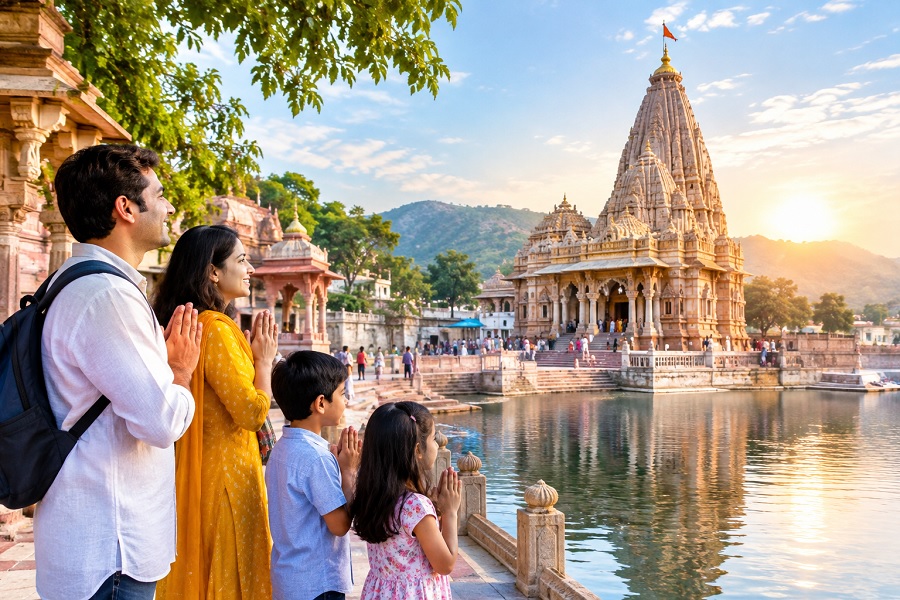
Family-friendly religious and spiritual tourism is becoming a meaningful way for families to spend quality time together while exploring sacred places, cultural traditions, historical landmarks, and peaceful natural surroundings. These journeys offer more than sightseeing. They provide opportunities to learn about different faiths, understand traditional values, experience local customs, and create lasting family memories.
India offers a wide variety of spiritual destinations, including ancient temples, historic mosques, Buddhist monasteries, sacred rivers, churches, and gurudwaras. Places such as Varanasi, Ayodhya, Tirupati, Shirdi, Amritsar, Bodh Gaya, and Rishikesh attract visitors seeking spiritual experiences, cultural discovery, and moments of reflection.
For families travelling with children or senior citizens, the ideal destination combines religious significance with comfortable accommodation, accessible transport, hygienic food, suitable facilities, and nearby attractions. With thoughtful planning, a spiritual holiday can become an enriching experience for every generation.
What Is Family-Friendly Religious and Spiritual Tourism?
Family-friendly religious and spiritual tourism involves visiting sacred destinations and participating in faith-related, cultural, or wellness activities suitable for different age groups. It may include temple visits, prayers, meditation, heritage walks, religious festivals, monastery visits, and learning about local traditions.
These trips can be planned around school holidays, long weekends, family celebrations, or special religious occasions. Many destinations also offer opportunities to explore local cuisine, architecture, handicrafts, and natural landscapes.
The primary goal is to combine spiritual discovery with relaxation, education, family bonding, and responsible travel.
Best Family-Friendly Religious and Spiritual Tourism Destinations in India
1. Varanasi, Uttar Pradesh
Varanasi is one of India's most renowned spiritual destinations, known for its ancient temples, sacred ghats, traditional markets, and the Ganga Aarti ceremony. Families can explore the city's cultural heritage, learn about its religious traditions, and experience its distinctive atmosphere along the River Ganges.
Children can discover local history and architecture, while adults can participate in prayers and spiritual activities. Families should plan boat rides carefully, follow local safety instructions, and choose less crowded visiting hours where possible.
Best for: Spiritual heritage, cultural learning, and traditional ceremonies.
2. Ayodhya, Uttar Pradesh
Ayodhya is a major pilgrimage destination associated with Lord Rama and the Ramayana. Families can visit Shri Ram Janmabhoomi Mandir and explore other religious sites and cultural attractions in the city.
The destination provides opportunities to introduce children to Indian epics, mythology, architecture, and traditional celebrations. During major festivals, visitors should allow additional time for security checks, transport, and crowds.
Best for: Family pilgrimages, mythology, and cultural exploration.
3. Tirupati, Andhra Pradesh
Tirupati is widely known for the Sri Venkateswara Temple at Tirumala, one of India's most important pilgrimage centres. Families can plan a devotional visit while exploring the surrounding hills and nearby attractions.
Advance planning is particularly helpful because temple visits may involve registration, designated entry arrangements, waiting periods, and specific dress or conduct requirements. Families travelling with young children or older adults should check current arrangements before departure.
Best for: Traditional pilgrimage, devotional experiences, and family religious travel.
4. Shirdi, Maharashtra
Shirdi is famous for the Sai Baba Temple and attracts devotees from across India. It is a popular choice for families looking for a spiritual trip with access to accommodation, food facilities, and local transport.
Visitors can spend time at the temple complex, learn about Sai Baba's teachings, and explore other nearby religious attractions. Weekdays may be preferable for families seeking a quieter experience, although crowd levels vary.
Best for: Devotional travel, family prayer, and peaceful reflection.
5. Amritsar, Punjab
Amritsar is home to Sri Harmandir Sahib, popularly known as the Golden Temple. Its welcoming atmosphere, beautiful architecture, and community kitchen, or langar, offer meaningful learning experiences for visitors of different ages.
Families can learn about Sikh values such as equality, service, humility, and community participation. Visitors should follow the site's head-covering, footwear, and other visitor guidelines.
Best for: Cultural education, community service, and spiritual reflection.
6. Bodh Gaya, Bihar
Bodh Gaya is one of Buddhism's most important pilgrimage destinations and is associated with the enlightenment of Gautama Buddha. The Mahabodhi Temple complex and nearby monasteries provide opportunities to learn about Buddhist history, meditation, and the importance of peace.
Families can introduce children to mindfulness and the values of compassion, patience, and respect. A relaxed itinerary can make the experience especially enjoyable for visitors interested in history and philosophy.
Best for: Buddhist heritage, meditation, and educational family travel.
7. Rishikesh, Uttarakhand
Rishikesh is known for yoga, meditation, spiritual learning, and its location along the Ganges in the Himalayan foothills. Families can visit temples, attend suitable spiritual programmes, and enjoy the area's natural scenery.
Some activities, including white-water rafting and trekking, have age, health, and safety restrictions. Families should select activities appropriate for their members and check seasonal conditions before travelling.
Best for: Wellness, yoga, meditation, and nature-based spiritual holidays.
8. Dwarka, Gujarat
Dwarka is an important Hindu pilgrimage destination associated with Lord Krishna. The Dwarkadhish Temple and the city's coastal setting make it an appealing destination for families interested in religious traditions and heritage.
Visitors can explore the temple area, learn about Krishna-related stories, and plan excursions to nearby attractions where transport and weather conditions permit.
Best for: Krishna pilgrimage, cultural discovery, and coastal heritage.
9. Puri, Odisha
Puri is renowned for the Jagannath Temple and its religious and cultural traditions. Families can learn about the region's spiritual heritage, explore local crafts, and enjoy the city's coastal surroundings.
The annual Rath Yatra draws very large crowds, so families travelling during festival periods should carefully consider accommodation, transport, crowd management, and the needs of children and senior citizens.
Best for: Religious festivals, temple heritage, and cultural experiences.
10. Dehu and Alandi, Maharashtra
Dehu and Alandi are closely associated with Sant Tukaram Maharaj and Sant Dnyaneshwar Maharaj. These destinations are significant to Maharashtra's Warkari tradition and provide opportunities to understand devotional poetry, kirtan, and the teachings of the saints.
Families can combine visits to these pilgrimage towns with cultural exploration around Pune. During major Wari and Ekadashi events, visitors should expect increased crowds and plan accordingly.
Best for: Marathi spiritual heritage, devotional music, and family pilgrimages.
Why Choose Religious and Spiritual Tourism for Family Holidays?
Strengthens Family Bonds
Visiting sacred places together gives family members time to connect away from daily routines. Shared experiences such as attending prayers, exploring historic sites, and enjoying local food can create lasting memories.
Encourages Cultural Understanding
Religious destinations offer insights into different traditions, beliefs, rituals, and architectural styles. Children can develop curiosity about history and learn to respect people from diverse backgrounds.
Supports Peace and Reflection
Quiet temples, monasteries, gardens, and meditation centres can offer a break from busy schedules. Families may choose activities that encourage mindfulness, gratitude, and thoughtful conversation.
Provides Educational Experiences
Spiritual destinations often connect religious traditions with literature, history, art, music, and geography. Guided tours and age-appropriate explanations can make these journeys informative for children.
Creates Multigenerational Travel Opportunities
A carefully planned pilgrimage can bring grandparents, parents, and children together. Selecting accessible attractions, comfortable accommodation, and manageable travel times helps everyone participate.
Tips for Planning a Family-Friendly Spiritual Holiday
Choose the right destination: Consider travel distance, climate, religious interests, and the physical needs of everyone travelling.
Check temple and site rules: Confirm visiting hours, entry arrangements, dress codes, photography rules, and booking requirements.
Book accommodation early: Choose a family-friendly hotel or guesthouse near suitable transport links and essential facilities.
Plan around crowd levels: Major festivals and holidays can be busy. If travelling during these periods, arrange transport and accommodation well in advance.
Pack essential items: Carry water where permitted, comfortable footwear, weather-appropriate clothing, prescribed medicines, identification, and necessary items for children.
Allow time for rest: Avoid filling every day with multiple long visits. Include breaks and flexible sightseeing time.
Choose suitable food: Identify hygienic restaurants and meal options that meet the family's dietary requirements.
Prioritise accessibility: Check for ramps, lifts, seating, walking distances, and wheelchair access when travelling with senior citizens or people with mobility needs.
Teach children respectful behaviour: Explain local customs and encourage quiet, considerate conduct at sacred sites.
Travel responsibly: Avoid littering, respect local communities, follow photography restrictions, and use designated routes and facilities.
Best Time to Visit Spiritual Destinations
The best time depends on the destination, regional weather, and the family's travel preferences. Many destinations in northern and central India are comfortable to explore during cooler months, while hill destinations require additional attention to rain, road conditions, and seasonal temperatures.
Festival periods can provide a memorable cultural experience, but they may also involve higher accommodation costs, heavy traffic, and long queues. Families seeking a quieter visit can consider non-festival weekdays or less crowded periods.
Before departure, check local weather forecasts, official travel advisories, opening schedules, and any special entry requirements.
Accommodation and Transportation
Family-friendly accommodation can make a spiritual journey more comfortable. Useful features include family rooms, clean bathrooms, reliable transport access, dining facilities, lifts, and proximity to the main attractions.
Depending on the destination, families can travel by train, flight, bus, taxi, or private vehicle. Rail and road connections should be checked before booking, especially for destinations located in hills or remote areas.
For temple towns with large visitor numbers, using authorised transport and checking official parking or shuttle arrangements can reduce unnecessary delays.
Responsible and Sustainable Spiritual Tourism
Responsible tourism helps preserve sacred places while supporting the communities that maintain them. Visitors should respect religious practices, avoid damaging historical structures, minimise waste, and support local businesses where possible.
India's Ministry of Tourism supports the development of pilgrimage and spiritual destinations through programmes including PRASHAD and Swadesh Darshan 2.0, with attention to destination infrastructure and more sustainable tourism development.
Families can contribute by using reusable bags and bottles where permitted, choosing responsible tour operators, respecting local customs, and leaving religious and natural sites clean.
Conclusion
Family-friendly religious and spiritual tourism offers a valuable combination of faith, education, cultural discovery, and shared experiences. From the sacred ghats of Varanasi and the peaceful heritage of Bodh Gaya to the Golden Temple in Amritsar and the devotional towns of Dehu and Alandi, India provides many destinations suited to different family interests.
A successful spiritual holiday depends on thoughtful planning, respect for local traditions, suitable accommodation, and activities that meet the needs of every generation. By choosing destinations carefully and travelling responsibly, families can enjoy meaningful journeys that encourage learning, togetherness, and lasting memories.