Fuel Prices and Their Impact on Car and Bike Buying Decisions in 2026
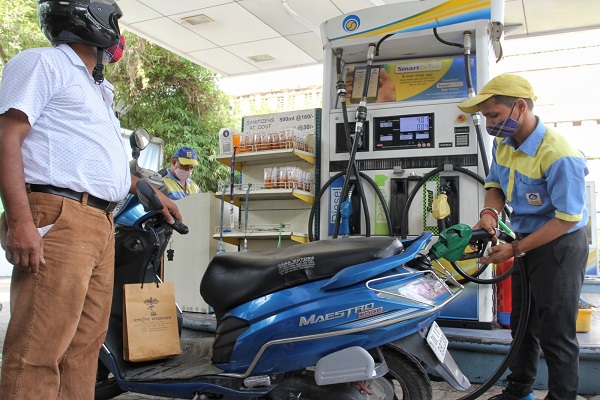
In 2026 fuel prices continue to be one of the strongest factors influencing car and bike buying decisions in India. The situation has become even more sensitive due to global geopolitical tensions, especially the ongoing US Iran conflict, which has disrupted global oil supply routes and pushed crude oil prices higher. This has directly increased uncertainty in fuel markets and affected consumer behavior in oil importing countries like India.
Recent developments in the US Iran conflict have created volatility in global crude oil prices due to concerns over supply disruptions in key shipping routes such as the Strait of Hormuz. Since a large portion of global oil trade passes through this region, even small disruptions or tensions lead to sharp price fluctuations. This has resulted in periodic spikes in petrol and diesel prices in India, increasing the cost of daily commuting and vehicle ownership.
India, being heavily dependent on crude oil imports, is directly impacted by these global changes. Reports show that rising geopolitical tension has already contributed to inflationary pressure and higher fuel costs, which in turn affect transportation expenses across the country. As a result, consumers are becoming more cautious and practical while choosing vehicles.
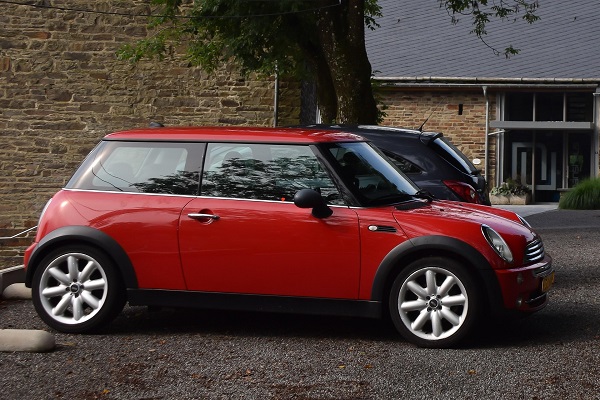
One of the most visible changes in buying behavior is the shift from high fuel consuming vehicles to more fuel efficient options. Buyers are increasingly prioritizing mileage over size or power. In the bike segment, commuters are preferring fuel efficient 100cc to 125cc motorcycles or switching to electric scooters for daily travel. In the car segment, compact hatchbacks and hybrid models are gaining more attention compared to large SUVs.
The rise in fuel prices has also accelerated the adoption of electric vehicles. With petrol prices remaining uncertain due to global conflicts, many buyers see EVs as a long term cost saving alternative. Even though charging infrastructure is still developing, the lower running cost of electric bikes and cars is becoming a strong deciding factor, especially in urban areas.
Another major impact is the growing importance of total cost of ownership. Buyers are no longer focused only on the showroom price. They now calculate monthly fuel expenses, maintenance costs, and long term affordability before making a purchase decision. This shift is making the automobile market more value driven rather than emotion driven.
Shared mobility is also gaining importance. In cities, many people are reducing dependence on personal vehicles and instead using ride sharing or rental services to avoid high fuel expenses. This is especially common among younger consumers who prefer flexibility over ownership.
However, despite fuel price concerns, factors like safety, comfort, brand value, and performance still play an important role in decision making. Fuel cost is becoming a major filter, but not the only deciding factor.
In conclusion, the US Iran conflict has indirectly intensified fuel price volatility globally, and India is experiencing its ripple effects through rising petrol and diesel costs. This geopolitical influence is reshaping how people in India choose cars and bikes in 2026. The market is steadily shifting toward fuel efficient, cost effective, and electric mobility solutions as consumers adapt to an uncertain energy future.