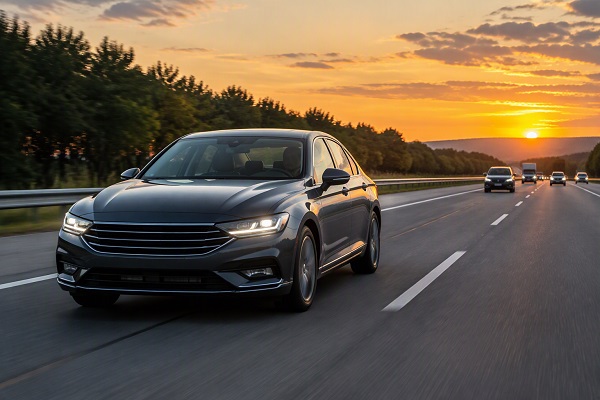
The Future of Electric Cars
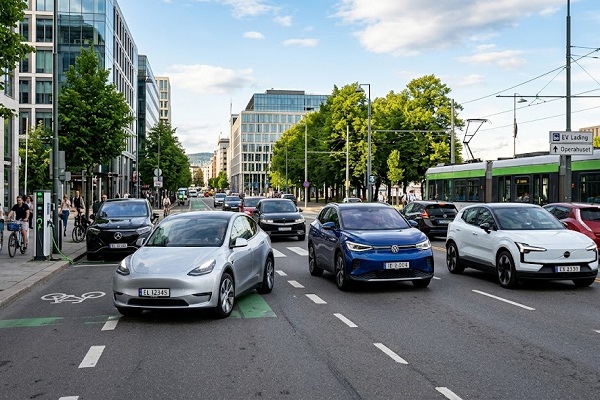
Electric cars are transforming the automotive industry and changing the way people think about transportation. Once considered expensive and impractical, electric vehicles (EVs) are now becoming more affordable, efficient, and widely accepted around the world. With advances in technology, growing environmental concerns, and government support, the future of electric cars looks brighter than ever.
The Rise of Electric Vehicles
Over the past decade, electric cars have gained popularity due to their ability to reduce pollution and dependence on fossil fuels. Traditional gasoline and diesel vehicles release harmful emissions that contribute to climate change and air pollution. Electric cars, on the other hand, produce little to no tailpipe emissions, making them a cleaner alternative.
Many countries are encouraging the adoption of EVs by offering tax benefits, subsidies, and incentives. Major automobile manufacturers are also investing heavily in electric technology and planning to shift away from fuel-powered vehicles in the coming years.
Advancements in Battery Technology
One of the most important factors shaping the future of electric cars is battery innovation. Modern EV batteries are becoming more powerful, durable, and efficient. New battery technologies are increasing driving range while reducing charging time.
In the future, solid-state batteries may replace traditional lithium-ion batteries. These batteries are expected to provide:
Longer driving ranges
Faster charging speeds
Improved safety
Lower production costs
As battery prices continue to fall, electric cars will become more affordable for average consumers.
Expansion of Charging Infrastructure
Charging infrastructure is another key element in the growth of electric vehicles. Many governments and private companies are building public charging stations in cities, highways, shopping centers, and residential areas.
Future charging systems are expected to include:
Ultra-fast charging stations
Wireless charging technology
Solar-powered charging points
Smart charging networks connected to renewable energy sources
Improved infrastructure will make electric cars more convenient and practical for long-distance travel.
Environmental Benefits
Electric cars play an important role in reducing environmental damage. Since they do not rely on gasoline or diesel, they help lower greenhouse gas emissions and improve air quality.
As renewable energy sources such as solar and wind power become more common, electric vehicles will become even cleaner. Charging EVs with renewable electricity can significantly reduce the overall carbon footprint of transportation.
Smart and Connected Vehicles
The future of electric cars is closely connected with smart technology. Many EVs already include advanced features such as:
Autonomous driving systems
Artificial intelligence
Voice control
Internet connectivity
Real-time navigation and diagnostics
Future electric cars may become fully self-driving and communicate with traffic systems to improve road safety and reduce traffic congestion.
Challenges Facing Electric Cars
Despite their advantages, electric vehicles still face some challenges:
Limited charging infrastructure in some regions
High initial purchase costs
Battery recycling concerns
Dependence on rare minerals for battery production
However, continuous research and investment are helping solve these problems. Governments and manufacturers are working together to make EVs more sustainable and accessible.
The Road Ahead
The future of electric cars is promising. Experts predict that electric vehicles will dominate the automotive market within the next few decades. As technology improves and awareness grows, more people are expected to switch to cleaner and smarter transportation options.
Electric cars are not just a trend—they represent a major step toward a more sustainable future. With innovation, environmental responsibility, and global support, EVs are set to reshape transportation for generations to come.
Conclusion
Electric cars are revolutionizing the way people travel. They offer environmental benefits, advanced technology, and long-term cost savings. Although challenges remain, ongoing developments in batteries, charging infrastructure, and smart systems are driving the industry forward. The future of electric cars is filled with opportunities, and they are likely to become the standard mode of transportation in the years ahead