Food Storytelling: Tasting Culture Through Every Bite
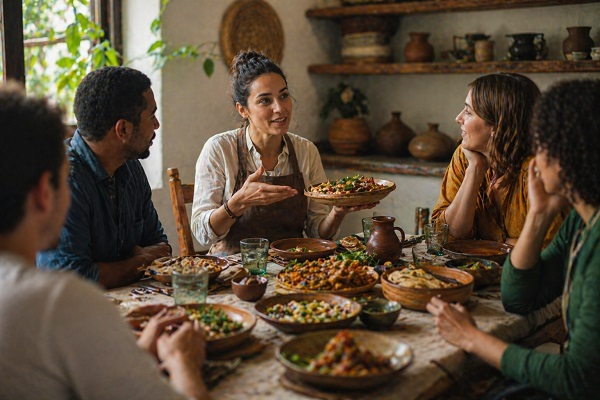
Food is more than nourishment—it is a powerful storyteller. Every dish carries a narrative shaped by history, geography, culture, and human connection. Food storytelling is the art of exploring and sharing these narratives, turning meals into meaningful experiences that go far beyond taste.
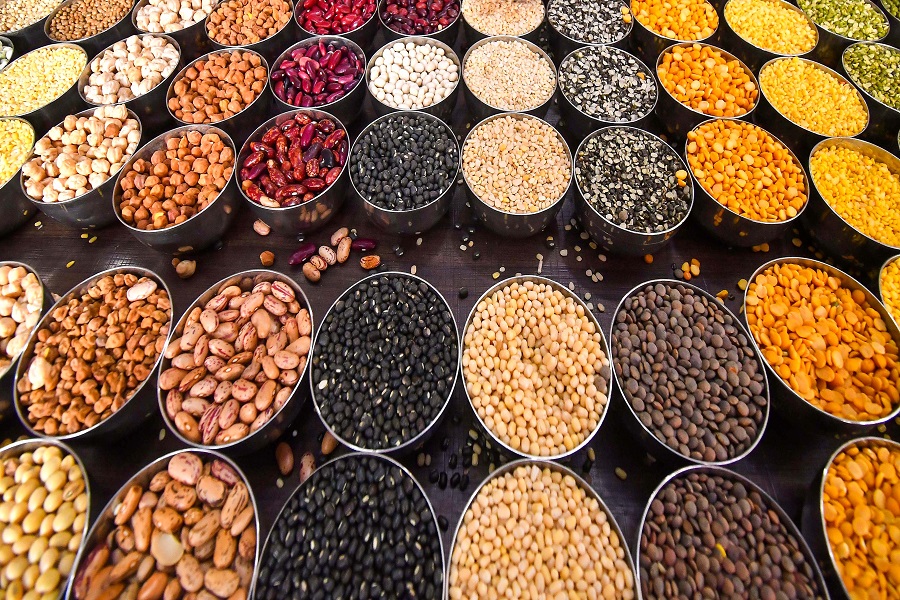
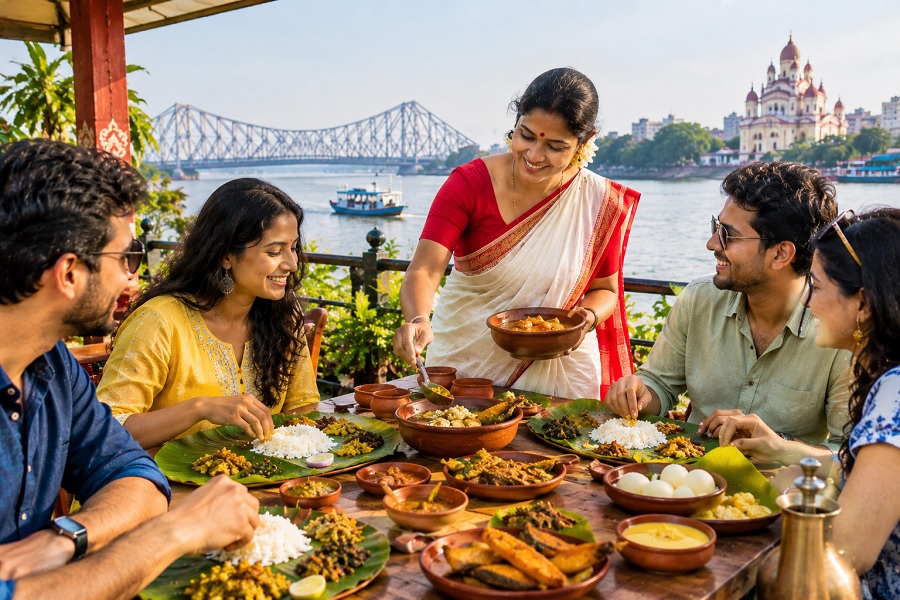
At its heart, food storytelling connects people to places. A simple recipe can reveal generations of tradition, migration patterns, and cultural influences. For example, a regional dish may reflect the climate of an area, the crops grown there, and the customs of the people who prepare it. Through food, travelers can understand a destination in a deeply personal and authentic way.
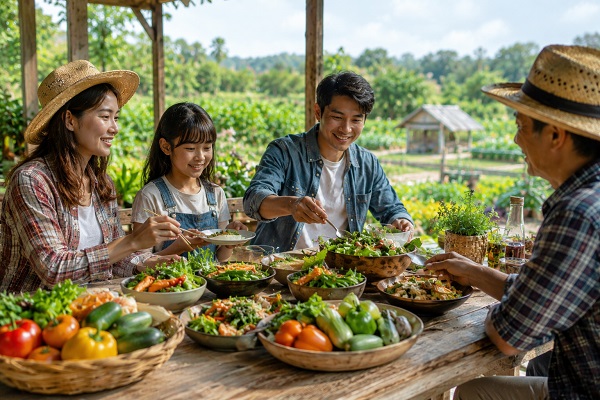
One of the most compelling aspects of food storytelling is its emotional connection. Meals are often tied to memories—family gatherings, festivals, celebrations, and even everyday moments. When travelers experience local cuisine, they are not just tasting flavors; they are stepping into someone else’s story. This creates a sense of belonging and appreciation for different cultures.
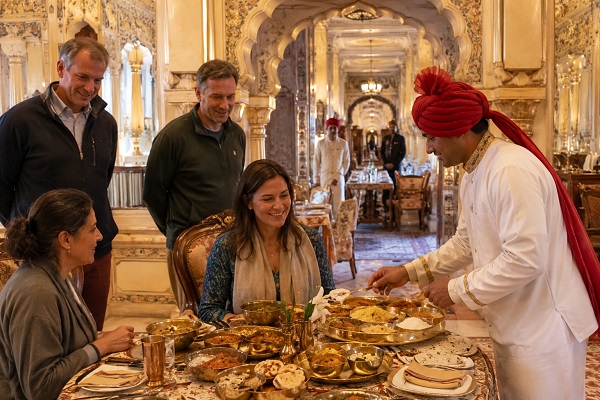
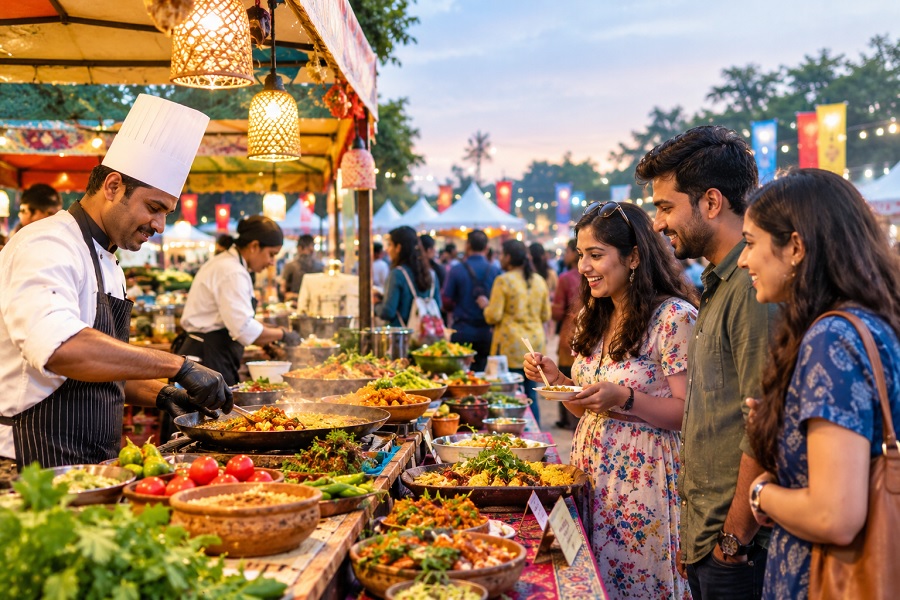
Food storytelling also highlights the people behind the dishes. From street vendors to professional chefs, every individual adds their own chapter to the story. Their techniques, ingredients, and passion reflect years of practice and cultural heritage. Listening to their stories adds depth to the dining experience and transforms it into a meaningful cultural exchange.
In tourism, food storytelling plays a crucial role in creating immersive experiences. Food tours, cooking classes, and market visits allow travelers to engage with local traditions firsthand. Instead of simply eating a meal, they learn about its origins, preparation methods, and cultural significance. This interactive approach makes travel more engaging and memorable.
Moreover, food storytelling supports the preservation of culinary heritage. In a rapidly globalizing world, many traditional recipes and cooking methods are at risk of being forgotten. By sharing these stories, communities can keep their traditions alive and pass them on to future generations. Travelers, in turn, become part of this preservation process.
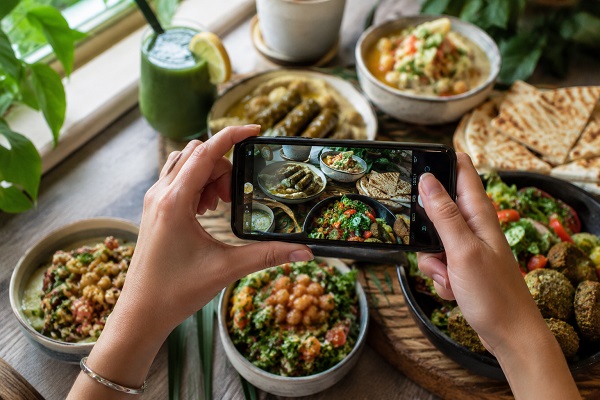
Digital platforms have further amplified the power of food storytelling. Blogs, videos, and social media allow travelers to document and share their culinary experiences with a global audience. A single story about a local dish can inspire others to explore new destinations and appreciate diverse cultures.
However, authenticity is key in food storytelling. Respecting cultural origins, giving credit to local communities, and avoiding stereotypes are essential practices. Ethical storytelling ensures that the narratives shared are accurate and meaningful.
Food storytelling transforms travel into a journey of discovery. It invites people to slow down, savor each bite, and appreciate the stories behind every meal. In doing so, it builds bridges between cultures, fosters understanding, and celebrates the rich diversity of our world.