Family Educational Road Trips: Explore, Learn & Create Lasting Memories
Family Educational Road Trips: Learn, Explore and Travel Together
Introduction
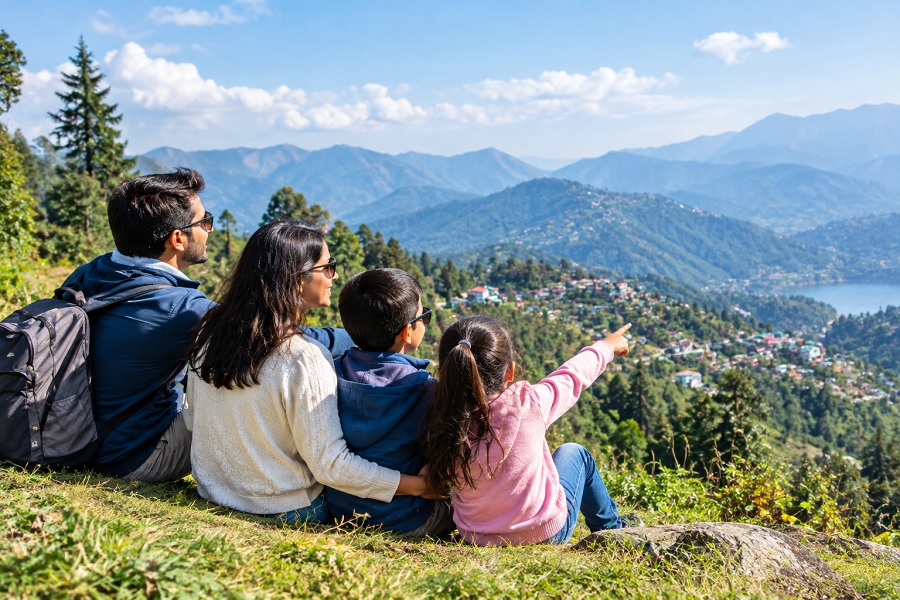
Family educational road trips combine travel, learning, adventure, and quality family time in one memorable experience. Instead of simply travelling from one destination to another, families can plan routes that include museums, historical monuments, science centres, wildlife areas, cultural attractions, farms, nature reserves, and other educational places.
These trips allow children to learn outside the classroom while parents and children explore new destinations together. A well-planned educational road trip can make subjects such as history, geography, science, culture, environmental studies, and local traditions more interesting and practical.
What Are Family Educational Road Trips?
Family educational road trips are journeys designed around learning experiences. Families travel by car or another private vehicle and stop at selected attractions where children can discover new information through observation and participation.
For example, a road trip can include a historical fort, a museum, a wildlife sanctuary, a planetarium, a traditional village, and a science centre. Each stop can provide a different learning opportunity while keeping the journey enjoyable.
Why Choose an Educational Road Trip?
1. Learning Beyond the Classroom
Children can see real places and objects related to topics they study in school. Historical sites, museums, laboratories, nature parks, and cultural centres can turn theoretical lessons into practical experiences.
2. Quality Family Time
Road trips provide opportunities for parents and children to talk, play games, share meals, and experience new places together. These shared experiences can create lasting family memories.
3. Improved Curiosity
Visiting unfamiliar places encourages children to ask questions and discover information independently. Parents can use these questions as opportunities for informal learning.
4. Practical Knowledge
Travel introduces children to real-world subjects such as maps, transportation, local geography, weather, food, architecture, wildlife, and different cultural traditions.
5. Flexible Travel Planning
Unlike a fixed tour package, road trips allow families to adjust the itinerary according to children's interests, weather conditions, and available time.
Best Educational Stops for Family Road Trips
Museums
Museums can introduce children to history, science, technology, art, transportation, and local culture. Interactive museums are particularly engaging for younger travellers.
Historical Sites
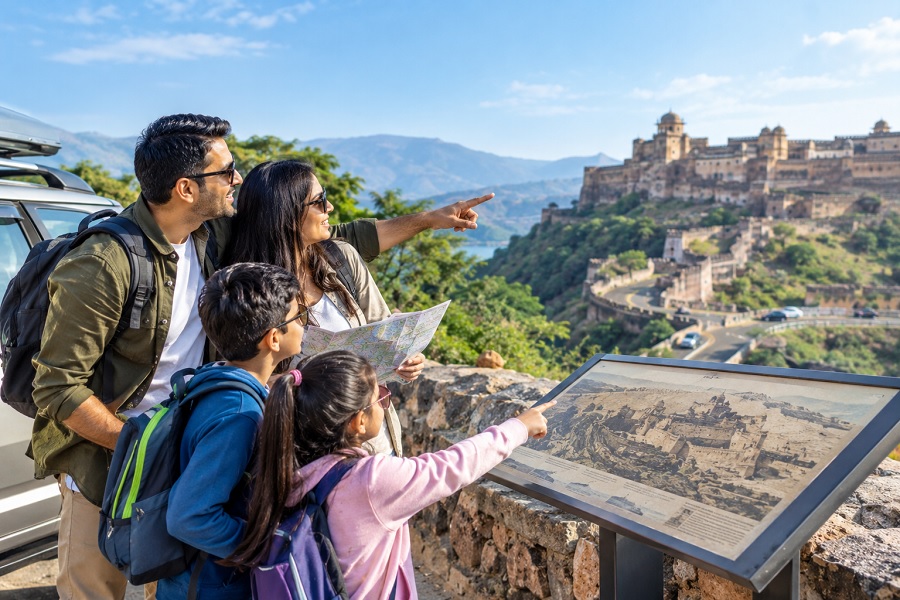
Forts, monuments, ancient settlements, archaeological sites, and heritage buildings can help children understand the history of a region.
Science Centres
Science centres and planetariums can make subjects such as astronomy, physics, biology, and technology more interactive.
Wildlife Destinations
National parks, wildlife sanctuaries, nature reserves, and birdwatching locations can teach children about animals, ecosystems, biodiversity, and conservation.
Farms and Agricultural Destinations
Farm visits can help children understand where food comes from. Activities such as planting, harvesting, animal care, and learning about sustainable farming can provide practical knowledge.
Cultural Attractions
Traditional markets, craft villages, cultural centres, and heritage communities allow families to discover local customs, arts, clothing, architecture, music, and cuisine.
How to Plan a Family Educational Road Trip
Choose a Learning Theme
Start by selecting a theme that interests the family. It could be history, wildlife, science, geography, culture, agriculture, or a combination of several subjects.
Create a Comfortable Route
Avoid planning too many stops in one day. Children may become tired during long journeys, so include regular breaks and enough time at each destination.
Research Destinations
Check opening hours, entry requirements, parking facilities, family facilities, and activity availability before starting the trip.
Prepare a Simple Learning Kit
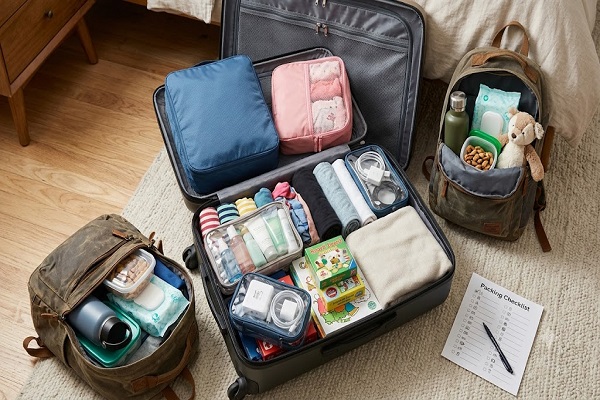
Families can carry notebooks, pencils, maps, binoculars, cameras, and age-appropriate educational books. Children can record interesting facts or draw things they observe during the journey.
Include Fun Activities
Educational travel should also be enjoyable. Road-trip games, quizzes, photography challenges, nature walks, and local food experiences can keep children interested.
Educational Road Trip Activities for Children
Families can introduce simple activities during the journey, such as:
Identifying landmarks on a map
Keeping a travel journal
Photographing plants and animals
Learning local words and phrases
Counting different types of vehicles
Identifying architectural styles
Creating a destination scrapbook
Researching historical personalities
Observing geographical features
Writing down interesting facts
Family Educational Road Trips in India
India offers many possibilities for educational road trips because of its diverse history, geography, wildlife, science institutions, cultural traditions, and heritage destinations.
Families can create routes around historical forts and monuments, museums, archaeological locations, wildlife areas, hill regions, coastal destinations, agricultural communities, and cultural centres.
For example, a family interested in history can create a heritage-focused route, while children interested in science can visit science centres, planetariums, technology museums, and astronomy destinations.
Safety Tips for Family Road Trips
Safety should always be a priority when travelling with children.
Check the vehicle before departure.
Use appropriate child safety restraints.
Carry drinking water and healthy snacks.
Take regular rest breaks.
Avoid driving when tired.
Keep a basic first-aid kit available.
Check weather and road conditions.
Keep emergency contact information accessible.
Carry necessary medicines and personal essentials.
Teach children basic road and travel safety rules.
Benefits for Different Age Groups
Young Children
Younger children can benefit from nature walks, animal experiences, interactive museums, farms, and simple observation activities.
School-Age Children
School-age children can explore historical sites, science centres, museums, cultural destinations, and geography-based attractions.
Teenagers
Teenagers may enjoy photography, wildlife experiences, adventure activities, heritage research, science destinations, and independent travel projects.
Sustainable Family Educational Travel
Families can also make educational road trips environmentally responsible. Carry reusable water bottles, avoid unnecessary plastic, respect wildlife, follow local rules, and dispose of waste properly.
Supporting local guides, small businesses, farms, craft communities, and cultural experiences can also help families understand the importance of responsible tourism.
Conclusion
Family educational road trips offer a valuable combination of travel, discovery, education, and family bonding. By visiting museums, historical places, wildlife destinations, science centres, farms, and cultural attractions, children can develop practical knowledge while enjoying an exciting journey.
With thoughtful route planning, age-appropriate activities, regular breaks, and a focus on safety, families can transform an ordinary road trip into an engaging educational adventure that children remember long after returning home.