Explore Indian Culture: Top Festivals and Traditional Celebrations for Memorable Family Holidays
Cultural Festivals and Traditional Celebrations for Family Trips
Article Introduction
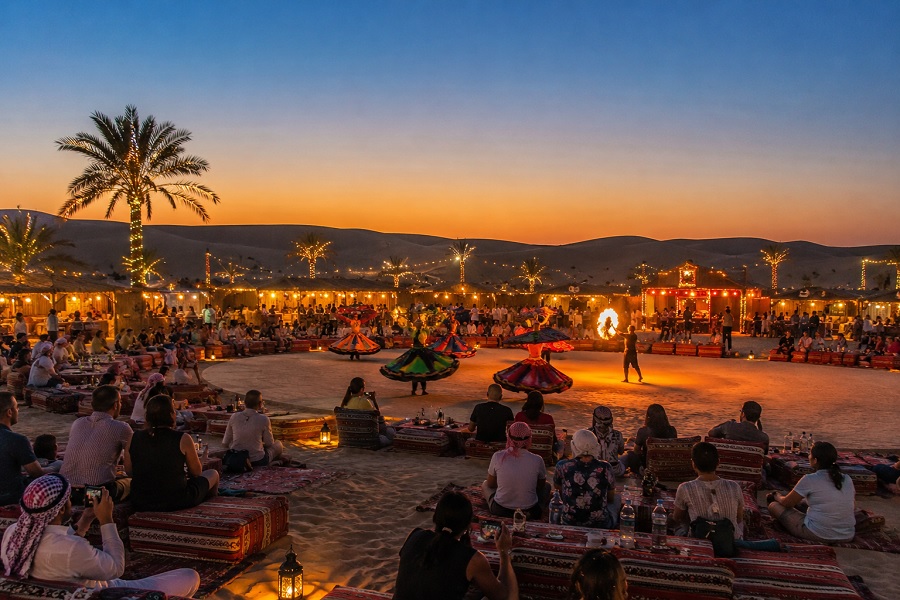
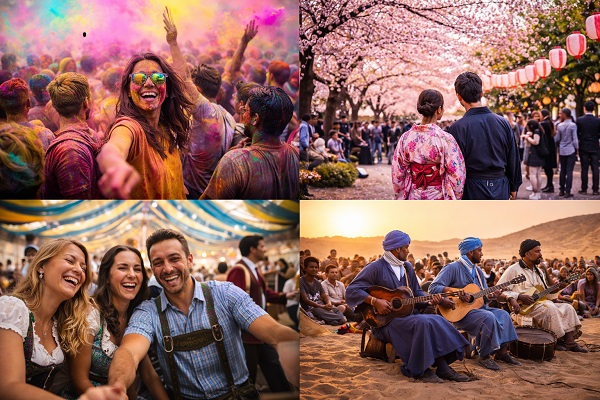
Cultural festivals and traditional celebrations are a wonderful way for families to explore new destinations, discover local customs, and create unforgettable memories together. From colourful religious festivals and traditional dance performances to regional food fairs and folk celebrations, every cultural event offers a unique opportunity to learn about a community’s history and lifestyle.
India is especially rich in cultural diversity, with festivals celebrated throughout the year. Diwali, Holi, Ganesh Chaturthi, Durga Puja, Navratri, Onam, Pongal, and Baisakhi showcase the country’s vibrant traditions, regional cuisines, music, art, and community spirit. Families can enjoy these celebrations while introducing children to India’s cultural heritage in an engaging and memorable way.
Whether you are planning a weekend getaway, a festive holiday, or a longer family vacation, cultural tourism allows everyone to experience traditions beyond books and classrooms. With thoughtful planning, families can enjoy local celebrations, participate in traditional activities, taste regional delicacies, and understand the values behind different customs.
Why Cultural Festivals Are Perfect for Family Trips
Cultural festivals bring people together and offer experiences suitable for different age groups. Parents can enjoy local traditions, children can discover new customs, and grandparents can share stories about celebrations from their childhood.
Some key benefits include:
Cultural learning: Understand the history, beliefs, and customs associated with different festivals.
Family bonding: Spend meaningful time together through shared activities and celebrations.
Educational experiences: Help children learn about regional traditions, crafts, music, and dance.
Local food exploration: Discover traditional sweets, snacks, and regional specialities.
Photography opportunities: Capture colourful decorations, processions, performances, and family moments.
Community interaction: Learn how local communities preserve their cultural heritage.
Best Cultural Festivals for Family Travel in India
1. Diwali – The Festival of Lights
Diwali is one of India’s most widely celebrated festivals. Families can admire decorative lights, colourful rangoli designs, illuminated homes, traditional markets, and festive sweets. Cities such as Jaipur, Varanasi, and Ayodhya are known for their distinctive festive atmospheres.
Families should plan accommodation early because popular destinations can become crowded during the festive period. Choose safe, well-organised celebrations and avoid fireworks in crowded areas.
2. Holi – The Festival of Colours
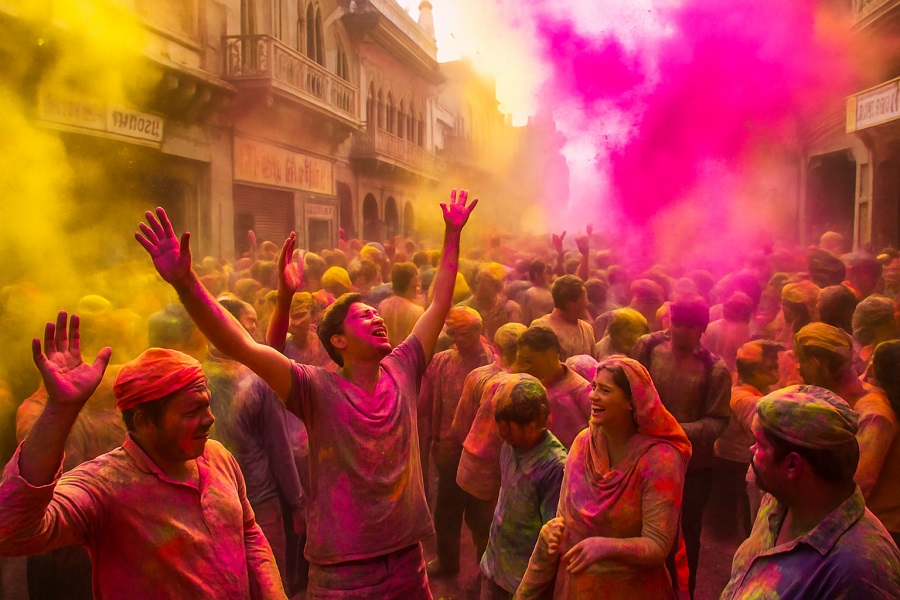
Holi offers families an energetic celebration filled with colours, music, dance, and traditional treats. Mathura and Vrindavan in Uttar Pradesh are especially associated with Holi traditions, while many other Indian cities host community celebrations.
For family-friendly participation, choose organised events, use skin-safe colours, protect your eyes, and make sure children are comfortable with the crowds and noise.
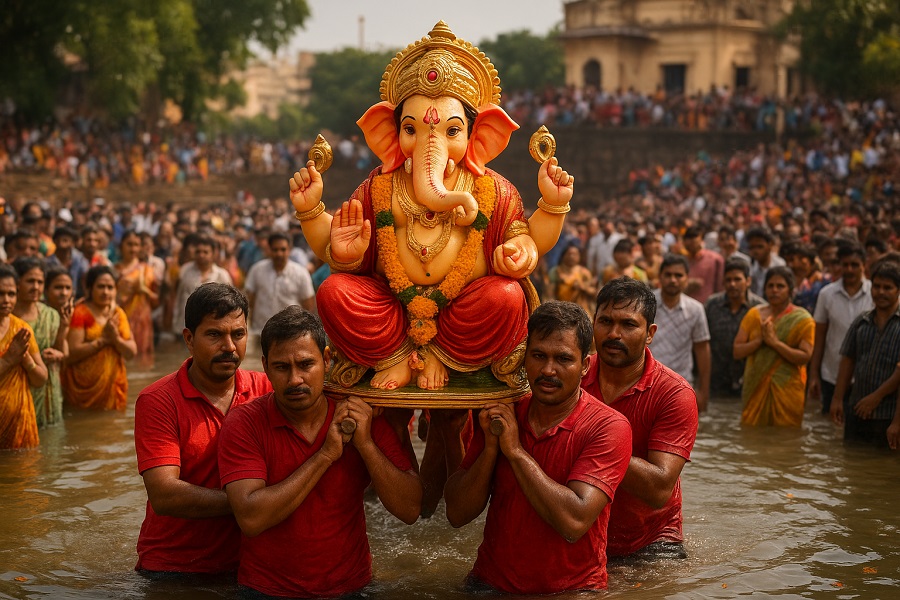
3. Ganesh Chaturthi – A Celebration of Devotion and Community
Ganesh Chaturthi is celebrated with great enthusiasm in Maharashtra, particularly in Mumbai and Pune. Families can observe artistic Ganesh idols, decorative pandals, devotional music, and community festivities.
The festival can help children learn about traditional art, eco-friendly celebrations, and the cultural significance of Lord Ganesha. Visiting pandals during less crowded hours can make the experience more comfortable.
4. Durga Puja – Art, Culture, and Tradition
Durga Puja is one of the most prominent cultural celebrations in West Bengal, especially Kolkata. Elaborate pandals, artistic installations, traditional attire, music, dance, and Bengali cuisine make the festival an enriching family experience.
Families can explore the creative displays, learn about the stories associated with Goddess Durga, and sample regional dishes at reputable food stalls or restaurants.
5. Navratri – Nine Nights of Music and Dance
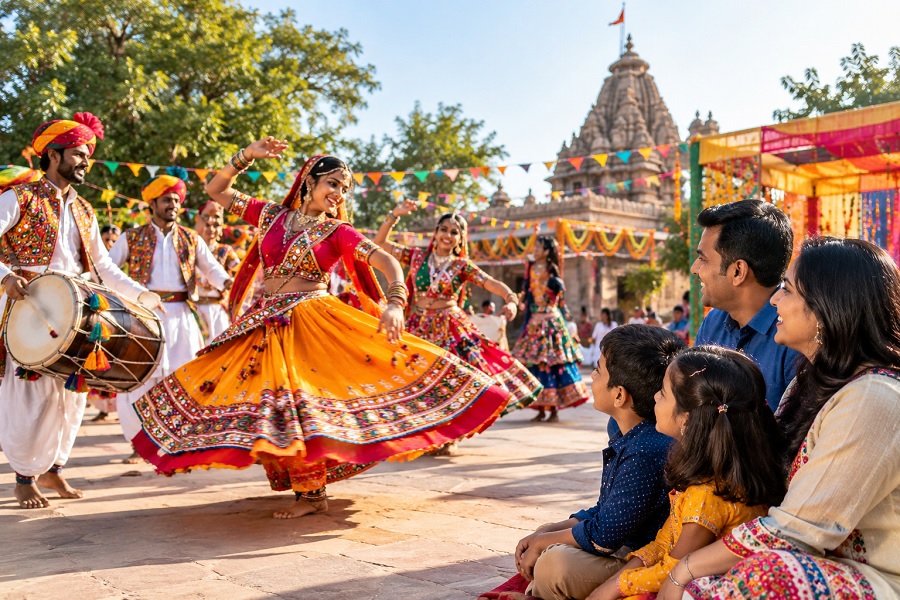
Navratri is celebrated across India in different ways. Gujarat is famous for Garba and Dandiya Raas, while other regions observe devotional music, traditional rituals, and special festive meals.
Families can join beginner-friendly dance events, enjoy traditional clothing, and introduce children to folk music. Check event timings, age suitability, and venue arrangements before attending.
6. Onam – Kerala’s Harvest Festival
Onam offers a wonderful opportunity to explore Kerala’s traditions. The celebrations feature floral Pookalam designs, traditional Onam Sadhya meals, cultural performances, and community events.
Depending on the destination and schedule, families may also experience traditional boat-race festivities. Onam is particularly suitable for families interested in regional cuisine, local art, and Kerala’s cultural heritage.
7. Pongal – Celebrating the Harvest in Tamil Nadu
Pongal is a harvest festival celebrated mainly in Tamil Nadu. Families can learn about traditional cooking, agricultural customs, decorated homes, and the importance of cattle and farming in rural life.
A visit to a village celebration or cultural programme can help children understand the relationship between agriculture, food, and community traditions. Follow local guidance around cooking fires and animal-related activities.
8. Baisakhi – Punjab’s Harvest Celebration
Baisakhi is an important harvest festival in Punjab and also holds religious significance for Sikhs. The celebrations may include folk music, Bhangra, Gidda, traditional food, and community gatherings.
Families can experience Punjabi hospitality and learn about farming traditions and Sikh history. Visitors to religious sites should follow local customs and dress respectfully.
How to Plan a Memorable Cultural Family Holiday
A little preparation can make a festival trip more enjoyable for everyone.
Choose the right festival and destination: Research the celebration dates, local traditions, and main events before booking your trip. Festival dates may change each year according to the relevant calendar.
Book accommodation early: Popular cultural destinations can fill up quickly during major celebrations. Choose accommodation with convenient transport access and family-friendly facilities.
Create a flexible itinerary: Avoid packing too many activities into one day. Allow time for meals, rest, unexpected delays, and spontaneous discoveries.
Explore local cuisine: Try regional specialities and traditional festive dishes at hygienic, well-reviewed food establishments. Ask about ingredients if anyone in the family has food allergies.
Respect local traditions: Learn basic festival etiquette, follow photography rules, and seek permission before photographing individuals or private ceremonies.
Prepare for children: Carry water, snacks, sun protection, necessary medicines, and identification details for younger children. Agree on a meeting point in crowded areas.
Cultural Activities Children Will Enjoy
Cultural festivals become especially meaningful when children can participate in age-appropriate activities. Families can look for:
Traditional art and craft workshops.
Rangoli and flower-decoration activities.
Folk music and dance performances.
Storytelling sessions about local legends.
Regional cooking demonstrations.
Traditional clothing and textile exhibitions.
Museum visits and heritage walks.
Local fairs featuring handmade products and cultural displays.
These activities combine entertainment with learning and help children appreciate the diversity of Indian culture.
Tips for a Safe and Comfortable Festival Experience
Large celebrations can involve heavy crowds, traffic diversions, and long queues. Families should check official event information before travelling and keep emergency contacts accessible.
Wear comfortable clothing and walking shoes, stay hydrated, and take regular breaks. Keep younger children close, supervise them around roads and water, and establish a clear meeting point if family members become separated.
Choose licensed transport where possible and confirm return travel arrangements in advance. During outdoor events, check the weather forecast and carry suitable protection against heat or rain.
Most importantly, respect the host community and help keep public spaces clean. Avoid littering, follow venue instructions, and support local artisans and small businesses responsibly.
Best Time to Plan Cultural Festival Trips
India’s cultural calendar runs throughout the year, so the best time depends on the festival and destination. Diwali generally falls in October or November, Holi usually takes place in March, Ganesh Chaturthi commonly occurs in August or September, and Onam is generally celebrated in August or September. Navratri usually falls in September or October, while Pongal takes place in January and Baisakhi in April.
These are approximate seasonal periods, not fixed dates. Confirm the official dates for your intended travel year before making reservations.
Conclusion
Cultural festivals and traditional celebrations offer families more than a holiday. They provide opportunities to connect with local communities, discover regional food, appreciate traditional art, and pass cultural knowledge from one generation to the next.
From the colourful celebrations of Holi and Navratri to the artistic beauty of Durga Puja and the harvest traditions of Onam and Pongal, India offers a wide range of memorable cultural experiences. By choosing suitable events, planning ahead, and respecting local customs, families can enjoy meaningful trips filled with learning, discovery, and togetherness.
A well-planned cultural holiday can become a cherished family memory while helping younger generations appreciate the richness and diversity of India’s traditions.