Exploring Rajasthan with Family: Desert Safaris, Local Traditions and Cultural Experiences
Family-Friendly Desert Tourism: Camel Safaris and Cultural Activities
Introduction
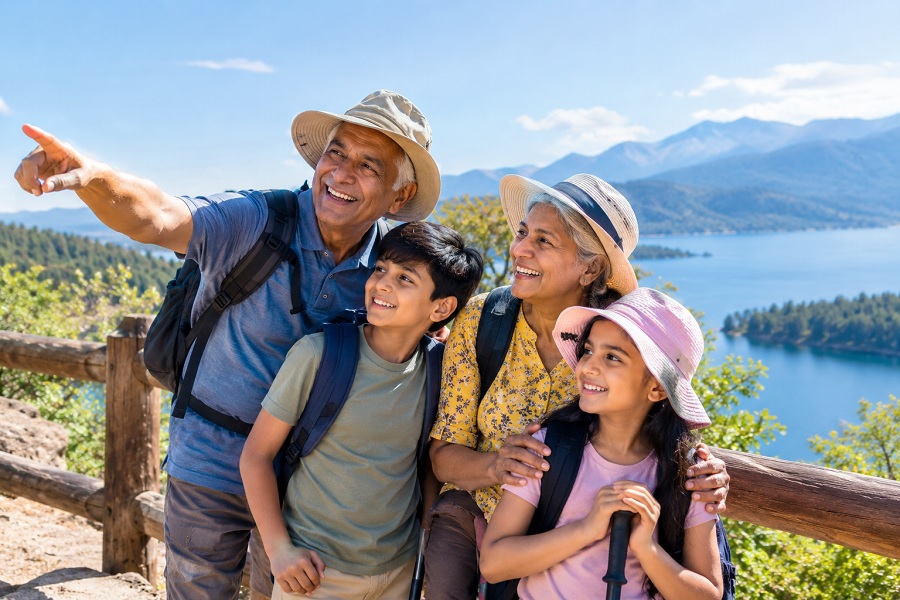
Family-friendly desert tourism offers an exciting opportunity for families to explore golden sand dunes, experience traditional cultures, and enjoy outdoor adventures together. From camel safaris and desert camping to folk performances and local cuisine, desert destinations provide memorable experiences for children and adults alike. Rajasthan in India is one of the most popular choices for desert tourism, especially destinations such as Jaisalmer, Sam Sand Dunes, and Bikaner.
Desert holidays combine adventure, relaxation, education, and cultural discovery, making them an excellent option for families looking for something different from conventional hill station or beach vacations.
What Is Family-Friendly Desert Tourism?
Family-friendly desert tourism focuses on travel experiences that are enjoyable, comfortable, and suitable for people of different age groups. These holidays allow families to discover desert landscapes while participating in safe outdoor activities and learning about local traditions.
Popular destinations often provide family-friendly resorts, guided excursions, traditional food, cultural entertainment, and comfortable transportation. Families can choose between short desert visits, overnight camping experiences, or multi-day holidays that include sightseeing and cultural activities.
Camel Safaris: A Memorable Desert Adventure
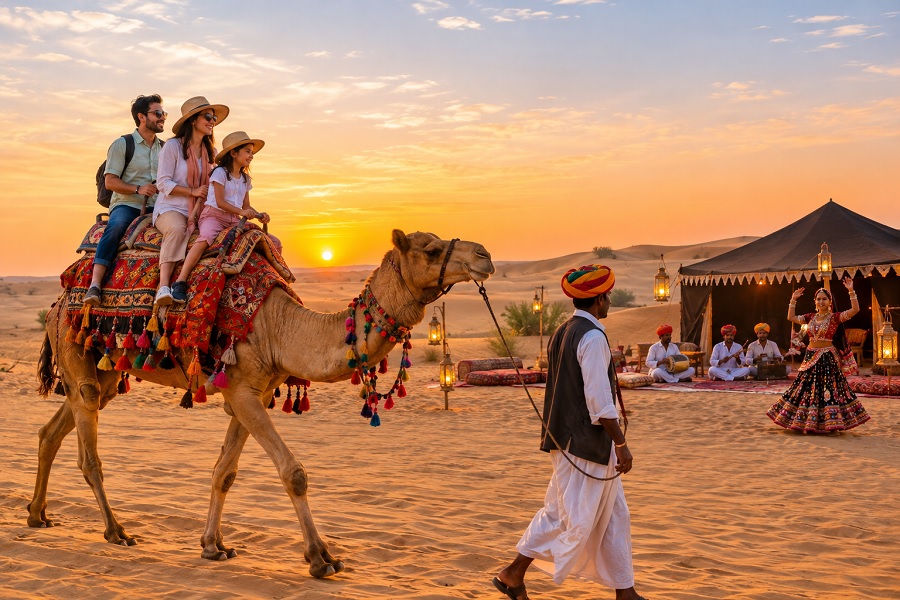
Camel safaris are among the most recognizable attractions of desert tourism. Often called the ships of the desert, camels have played an important role in desert transportation and traditional lifestyles for centuries.
During a guided camel safari, families can travel across sandy trails, explore desert landscapes, and watch the changing colours of the dunes. Sunset camel rides are particularly popular because the warm evening light creates beautiful scenery and photography opportunities.
For families travelling with children, it is important to choose experienced guides, well-cared-for camels, appropriate safety equipment, and short routes suited to the child's age. Parents should confirm age and weight restrictions with the operator and avoid rides during extreme heat.
Cultural Activities for the Whole Family
Desert tourism is not only about adventure. It also offers opportunities to understand the heritage, music, crafts, and everyday life of desert communities.
1. Traditional Folk Music and Dance
Many desert camps in Rajasthan organize performances featuring traditional Rajasthani folk music and dance. Families can enjoy colourful costumes, regional instruments, and stories that reflect the area's history and culture.
2. Local Food Experiences
Trying regional vegetarian dishes can be a highlight of a family desert holiday. Popular Rajasthani foods include dal baati churma, gatte ki sabzi, ker sangri, and traditional sweets. Families should check menu options and inform accommodation providers about food allergies or dietary requirements.
3. Handicrafts and Local Markets
Local markets provide opportunities to discover embroidered textiles, pottery, jewellery, leather crafts, and colourful decorative products. Children can learn how traditional items are made while families support local artisans through responsible shopping.
4. Village and Heritage Tours
Guided village visits allow travellers to understand desert architecture, traditional homes, local occupations, and water-conservation practices. These experiences can help children appreciate the resourcefulness of communities living in dry environments.
5. Stargazing and Desert Evenings
Away from bright city lights, some desert areas offer excellent opportunities to observe the night sky. Families can enjoy stargazing, learn about constellations, and spend a peaceful evening together. Clear skies and visibility depend on weather and local conditions.
Best Family-Friendly Desert Destinations in India
Jaisalmer, Rajasthan
Jaisalmer is famous for its golden sandstone architecture, historic fort, traditional havelis, and nearby sand dunes. Families can combine sightseeing with guided camel rides, cultural performances, and desert camping.
Sam Sand Dunes, Rajasthan
Located near Jaisalmer, Sam Sand Dunes is known for its expansive desert scenery and sunset experiences. Families can select suitable guided activities and accommodation packages, keeping children's comfort and the season in mind.
Bikaner, Rajasthan
Bikaner offers historic forts, traditional architecture, local cuisine, and a rich cultural heritage. It is a good choice for families interested in combining desert-region sightseeing with history and local traditions.
Thar Desert Region
The wider Thar Desert provides opportunities to discover rural landscapes, traditional communities, desert wildlife, and regional heritage. Travellers should choose established operators and respect local customs and protected areas.
Best Time to Plan a Family Desert Holiday
For Rajasthan's desert destinations, the cooler months from October to March are generally more comfortable for sightseeing and outdoor activities. Days can still be warm, while nights may become quite cold, particularly in winter.
Families should carry light, breathable clothing for daytime, warm layers for evenings, sun protection, hats, and comfortable footwear. It is best to schedule outdoor activities for the early morning or late afternoon and take regular water breaks.
Summer travel requires additional care because desert temperatures can become extremely high. Families with young children should avoid strenuous outdoor activities during peak heat.
Accommodation Options for Families
Desert destinations offer several accommodation choices to suit different budgets and travel styles.
Desert camps: Provide an immersive experience with access to dunes and, in some cases, cultural entertainment.
Family resorts: Offer amenities such as restaurants, larger rooms, swimming pools, and organized activities.
Heritage hotels: Allow visitors to experience traditional architecture and regional hospitality.
Budget guesthouses: Can provide affordable accommodation for families who plan to spend most of their time sightseeing.
Before booking, check bathroom facilities, drinking-water availability, heating or cooling, child-friendly meals, accessibility, emergency arrangements, and the distance from major attractions.
Safety Tips for Families Visiting the Desert
Safety and comfort should be priorities when travelling in desert environments.
Choose licensed or reputable activity operators with trained guides.
Confirm camel-riding age limits, route duration, and safety procedures before booking.
Carry enough drinking water and use sunscreen, sunglasses, and hats.
Avoid outdoor adventures during extreme temperatures or severe weather.
Keep children supervised around animals, vehicles, dunes, and campfires.
Follow local guidance and avoid wandering into unfamiliar desert areas without a guide.
Check road conditions, transport arrangements, and mobile connectivity before travelling.
Respect wildlife, avoid littering, and follow local cultural practices.
Families should also keep basic first-aid supplies and emergency contact details readily available.
Sustainable and Responsible Desert Tourism
Responsible tourism helps protect fragile desert ecosystems and supports the communities that make these destinations special. Families can contribute by reducing plastic waste, carrying reusable water bottles where safe, purchasing locally made products, and choosing accommodation providers that manage water and energy responsibly.
Visitors should avoid disturbing desert wildlife, damaging plants, or leaving waste behind. When booking camel safaris, families can ask operators about animal welfare, rest periods, access to water, and the conditions in which animals are kept.
Supporting local guides, artisans, and family-run businesses can also help preserve traditional knowledge and provide economic benefits to desert communities.
Benefits of Desert Tourism for Children
A desert holiday can be an educational experience beyond the classroom. Children can learn about desert ecosystems, climate, animal adaptation, regional history, traditional crafts, and sustainable living.
Outdoor exploration encourages curiosity and family bonding. Cultural performances, heritage visits, and local food experiences can also introduce children to different customs and ways of life.
Choosing age-appropriate activities and allowing enough time for rest helps make the trip enjoyable for every family member.
How to Plan a Family-Friendly Desert Tour
Start by selecting a destination based on travel time, weather, budget, and children's ages. Create a balanced itinerary that combines sightseeing, cultural experiences, meals, and rest periods rather than scheduling too many activities in one day.
Book accommodation and popular activities in advance during busy travel periods. Confirm what is included in each package, including transport, meals, guide services, and camel rides. Check cancellation policies and read recent reviews before making a reservation.
A two- or three-day visit to Jaisalmer, for example, could include fort sightseeing, a local market visit, a supervised sunset camel safari, a cultural evening, and an overnight stay at suitable accommodation. Families can adjust the itinerary according to their interests and comfort levels.
Conclusion
Family-friendly desert tourism combines adventure, culture, education, and relaxation in one memorable holiday. Camel safaris, traditional performances, heritage sightseeing, local cuisine, and stargazing provide experiences that families can enjoy together.
With suitable planning, responsible activity providers, and attention to weather and safety, destinations such as Jaisalmer, Sam Sand Dunes, and Bikaner can offer rewarding desert holidays. By respecting local communities, protecting the environment, and choosing age-appropriate activities, families can create meaningful travel memories while discovering the beauty and heritage of India's desert regions.