Exploring Bengal’s Famous Sweets: A Delicious Food Tourism Journey
Bengali Famous Sweet Food Tourism: A Sweet Journey Through Bengal
Bengali sweets are much more than desserts. They are an important part of Bengal’s culinary identity, hospitality, festivals, celebrations, religious traditions, and everyday food culture. For travellers interested in food tourism, exploring Bengali mishti offers an opportunity to discover local ingredients, traditional preparation methods, historic sweet shops, regional specialties, and the stories behind generations of confectioners.
Introduction
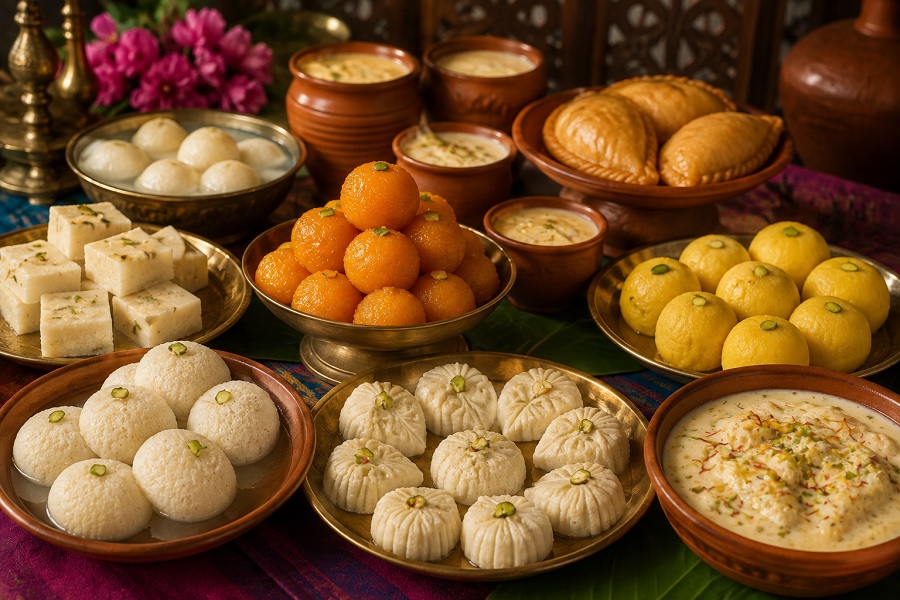
Bengal is widely associated with iconic sweets such as Rasgulla, Sandesh, Mishti Doi, Chamcham, Pantua, Rajbhog and Nolen Gur Sandesh. Kolkata is an important starting point for a Bengali sweet trail, but the experience extends beyond the city into different towns and regions of West Bengal.
The attraction of Bengali sweet tourism lies in the combination of taste, tradition and travel. Visitors can explore traditional sweet shops, observe confectioners preparing chhena-based sweets, taste seasonal specialties and learn how sweets are connected with Bengali celebrations and social customs.
Famous Bengali Sweets to Explore
1. Rasgulla
Rasgulla, or rosogolla, is one of Bengal’s best-known sweets. It is made from chhena and cooked in sugar syrup until the soft dumplings become light and spongy. Its popularity has made it an essential part of many visitors’ Bengali food experiences.
2. Sandesh
Sandesh is a delicate chhena-based sweet known for its soft texture and relatively subtle sweetness. Traditional versions can be flavored with ingredients such as cardamom, while seasonal varieties may feature nolen gur, the famous date-palm jaggery associated with Bengal’s winter food culture.
3. Mishti Doi
Mishti doi is sweetened fermented yogurt traditionally prepared from milk with sugar or jaggery. It is commonly set in earthen pots, which contribute to its characteristic texture and presentation. Bengal also has several regional and stylistic variations of mishti doi.
4. Nolen Gur Sweets
Winter is an especially exciting season for Bengali sweet tourism because nolen gur, or date-palm jaggery, becomes a star ingredient. Travellers can look for nolen gur sandesh and other seasonal creations that showcase the distinctive caramel-like flavour of fresh jaggery.
5. Chamcham and Other Regional Varieties
Chamcham, Rajbhog, Pantua, Kheer Kadam, Kacha Golla and Chhanar Jilipi add variety to a Bengali sweet trail. Exploring these lesser-known choices can make a food-focused trip more interesting than simply tasting the most famous sweets.
Kolkata: The Gateway to Bengali Sweet Tourism
Kolkata provides an excellent introduction to Bengal’s mishti culture. Historic neighbourhoods and traditional sweet shops allow travellers to combine sightseeing with food exploration.
A Kolkata sweet trail can include sampling different forms of Rasgulla, Sandesh and Mishti Doi, followed by regional specialties and seasonal sweets. Some long-established confectioneries have been serving Bengali sweets for generations, making the shops themselves part of the culinary heritage experience.
Beyond Kolkata
Bengali sweet tourism does not end in Kolkata. Travellers can explore sweet-making traditions in different parts of West Bengal, where local specialties and preparation styles vary.
A broader food journey can include Krishnanagar, Shaktigarh and other regional destinations, allowing visitors to discover sweets that may not be as internationally famous as Rasgulla or Sandesh.
The Cultural Importance of Bengali Sweets
Bengali sweets are closely connected with hospitality and celebrations. Visitors are often introduced to mishti when visiting Bengali homes, while sweets also appear during festivals, family occasions and religious practices.
This cultural connection makes sweet tourism different from simply visiting a restaurant. Travellers experience the social meaning of food while discovering how recipes and confectionery techniques are passed from one generation to another. Recent research on traditional Bengali fermented dairy products also highlights the role of local knowledge and small-scale sweet makers in preserving these practices.
Experiencing Bengali Sweet Tourism
Travellers can make the experience more engaging by:
Visiting traditional sweet shops and local markets
Trying both famous and lesser-known sweets
Sampling seasonal nolen gur specialties
Comparing different styles of mishti doi
Learning about chhena preparation
Speaking with local confectioners
Exploring sweets connected with festivals
Photographing traditional sweet-making techniques
Buying suitable sweets as travel gifts
Combining sweet tasting with Kolkata heritage walks
Best Time for a Bengali Sweet Trail
Bengali sweets can be enjoyed throughout the year, but winter is particularly attractive for travellers interested in nolen gur-based specialties. Seasonal ingredients can create a different sweet experience from one visit to another.
Travellers should also remember that many milk-based sweets are perishable. If purchasing sweets to take home, it is sensible to ask the shop about storage requirements, freshness and suitable travel duration.
Why Bengali Sweet Tourism Is Growing
Food tourism increasingly focuses on authentic local experiences rather than simply visiting famous attractions. Bengali sweets fit naturally into this trend because they combine regional ingredients, traditional craftsmanship, cultural stories and memorable flavours.
A Bengali sweet trail can also support local confectioners and small businesses while encouraging the preservation of traditional recipes and food knowledge.
Conclusion
Bengali Famous Sweet Food Tourism offers travellers a delicious way to discover Bengal’s culture. From the soft texture of Rasgulla and delicate character of Sandesh to the creamy richness of Mishti Doi and seasonal flavour of Nolen Gur sweets, every sweet offers a different glimpse into the region’s culinary heritage.
For travellers, the real attraction is not simply eating sweets. It is discovering the people, places, traditions and stories behind them. A journey through Bengal’s mishti culture can therefore become a memorable combination of food, heritage, culture and travel