Drone Buying Guide for Beginners
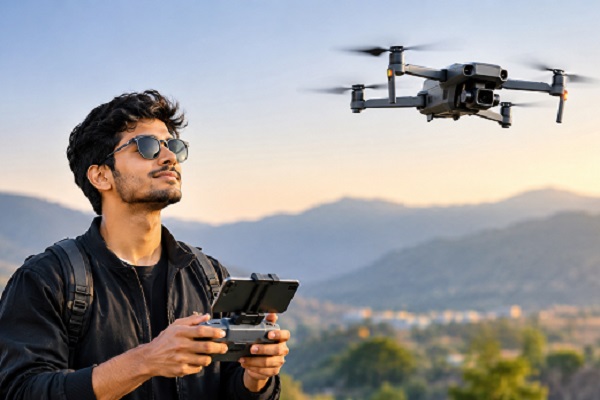
Drones have evolved from niche gadgets into versatile tools used for photography, videography, travel, agriculture, inspections, and recreation. With advancements in technology, modern drones are easier to fly, safer to operate, and packed with intelligent features that make aerial photography accessible even to first-time users.
However, with so many models available, choosing your first drone can feel overwhelming. Understanding the key features, intended use, and legal requirements will help you make a smart purchase that matches both your needs and budget.
Decide How You Plan to Use Your Drone
Before comparing specifications, think about why you want a drone. Some buyers simply want a fun gadget to fly on weekends, while others are interested in aerial photography, travel content, or professional filmmaking.
Entry-level drones are ideal for learning the basics of flight, while camera-focused models offer higher image quality, advanced stabilization, and intelligent flight modes. Identifying your primary purpose makes it easier to narrow your options.
Choose a Beginner-Friendly Drone
For first-time pilots, ease of use is more important than advanced features. Many beginner drones include GPS positioning, automatic take-off and landing, altitude hold, and one-button return-to-home functions that make flying much less intimidating.
Obstacle detection, hover stability, and beginner flight modes also help reduce the chances of crashes while building confidence.
A drone designed for beginners provides a safer and more enjoyable learning experience.
Camera Quality Matters
If photography or videography is one of your goals, camera quality should be a priority. Many entry-level drones can capture Full HD or 4K video, while premium models offer larger sensors, higher dynamic range, and superior low-light performance.
A three-axis gimbal is especially valuable because it stabilizes the camera during flight, producing smooth and professional-looking footage even when the drone is moving.
Consider Battery Life
Flight time varies significantly between drone models. Most beginner drones offer between 20 and 35 minutes of flying on a single battery charge.
If you plan to spend long periods outdoors, purchasing one or two extra batteries allows you to extend your flying sessions without interruption.
Battery life should always be considered alongside charging time and replacement costs.
Look for Essential Safety Features
Modern drones include several intelligent safety technologies that make flying easier and reduce the risk of accidents.
Useful features include:
* GPS positioning
* Automatic Return-to-Home (RTH)
* Obstacle avoidance sensors
* Low battery warnings
* Geofencing
* Emergency landing functions
These technologies help protect both the drone and its surroundings, especially for inexperienced pilots.
Portability Makes Travel Easier
If you intend to carry your drone while traveling, choose a compact, foldable model that easily fits into a backpack.
Lightweight drones are convenient for vacations, hiking, and outdoor adventures while remaining simple to transport and store.
A portable design encourages more frequent use without adding unnecessary bulk.
Understand Drone Regulations
Before flying, it's important to understand the drone regulations in your country. Many regions have rules regarding maximum flying altitude, restricted airspace, airport zones, and registration requirements.
Flying responsibly protects public safety and helps avoid penalties or legal issues.
Always check the latest local aviation guidelines before operating your drone.
Budget Beyond the Drone
The purchase price is only part of the overall investment. Beginners should also budget for essential accessories that improve safety and convenience.
Useful accessories include:
* Extra batteries
* Spare propellers
* Carrying case
* Fast charger
* High-speed memory card
* Propeller guards
* Landing pad
These additions improve the overall ownership experience and help protect your equipment.
Learn Before You Fly
Even though modern drones are highly automated, spending time learning the controls is essential.
Practice in wide, open spaces away from people, buildings, and power lines. Start with simple maneuvers before attempting advanced flight modes or aerial photography.
Many drone manufacturers also provide simulator apps that allow beginners to practice virtually before taking their first flight.
Building confidence gradually leads to safer and more enjoyable flying.
Final Thoughts
Buying your first drone is an exciting step into a world of aerial creativity and exploration. Rather than focusing only on the most expensive model, beginners should prioritize ease of use, safety features, camera quality, battery life, and portability.
With the right drone and a commitment to responsible flying, you'll be able to capture stunning landscapes, memorable travel moments, and unique perspectives while developing valuable flying skills.
A well-chosen beginner drone isn't just a gadget—it's an investment in creativity, learning, and unforgettable experiences from above.
I can also Generate a realistic 16:9 feature image (single image, no collage, no text or logo) along with **20 SEO-friendly LinkedIn hashtags** for this article.
.jpg)