Small Home Changes That Improve Everyday Comfort
You do not always need a major renovation to make your home feel more comfortable. Small, affordable changes can improve how a space looks, feels, and functions every day. From better lighting to smarter organization, a few simple adjustments can make your home more relaxing and convenient.
Improve the Lighting
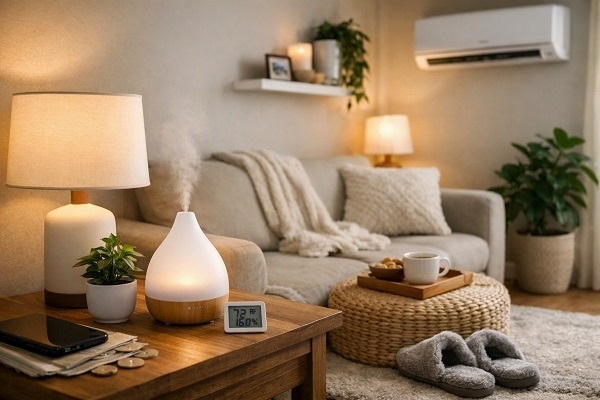
Lighting can completely change the atmosphere of a room. Replace harsh bulbs with warmer lighting in areas where you relax, such as the bedroom or living room.
You can also add a small table lamp or floor lamp to create softer, more comfortable lighting instead of relying on a single bright ceiling light.
Declutter Frequently Used Areas
A cluttered table, kitchen counter, or workspace can make a room feel unnecessarily stressful.
Start with the areas you use most often. Remove items you rarely use and give frequently used belongings a designated place. Even small amounts of organization can make everyday tasks easier.
Make Your Bedroom More Comfortable
Your bedroom should feel calm and practical. Keep unnecessary items away from the bed, use comfortable bedding, and make sure the room has enough ventilation.
Changing pillow covers and bedsheets regularly can also make the space feel fresher without requiring expensive upgrades.
Rearrange Your Furniture
Sometimes the problem is not the furniture itself but where it is placed.
Try moving furniture to create clearer walking paths and more open space. Position seating so that conversations are easier, and keep frequently used items within convenient reach.
A simple rearrangement can make a familiar room feel completely different.
Add a Touch of Greenery
Indoor plants can make a room feel more lively and welcoming. Choose low-maintenance plants when you do not have much time for care.
Even a small plant near a window, desk, or shelf can add visual interest without taking up much space.
Improve Airflow
Good airflow can make a home feel significantly more comfortable, particularly during warmer months.
Keep windows and ventilation areas clear, clean fans regularly, and avoid unnecessarily blocking air circulation with furniture or heavy curtains.
Create a Dedicated Entry Area
The entrance of your home can quickly become a collection point for shoes, bags, keys, and other everyday items.
A small shoe rack, wall hooks, or a simple tray for keys can keep the area organized. This also makes leaving and returning home less stressful.
Upgrade Small Everyday Items
Comfort often comes from the things you interact with every day. Replacing a worn-out doormat, uncomfortable cushion, poor-quality towels, or difficult-to-use storage containers can improve your routine more than buying decorative items you rarely use.
Focus on objects you touch and use frequently.
Make Your Workspace More Comfortable
For people who work or study at home, the workspace deserves attention.
Adjust your chair and desk to a comfortable height, keep your most-used items nearby, and reduce unnecessary clutter. Better cable organization can also make the desk feel cleaner and easier to use.
Use Curtains Strategically
Curtains affect both privacy and the amount of light entering a room.
Use lighter curtains where you want more natural light and thicker curtains where you need more privacy or want to reduce bright sunlight. Choose according to the room's purpose rather than using the same style everywhere.
Organize Your Kitchen for Convenience
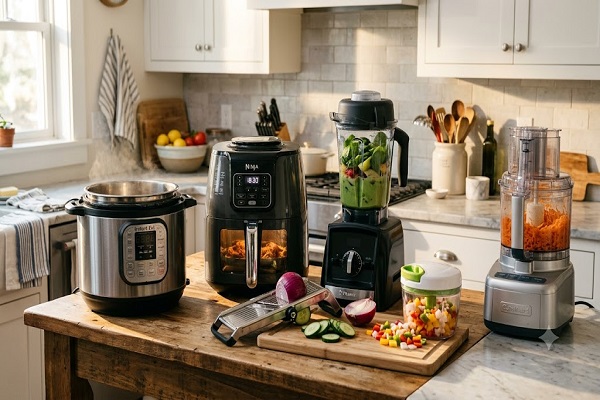
A well-organized kitchen can save time every day. Keep commonly used utensils, spices, and cookware within easy reach.
Group similar items together and avoid filling every shelf just because there is available space. A simpler kitchen layout can make cooking and cleaning easier.
Add Small Storage Solutions
You do not always need large cupboards to control clutter.
Storage baskets, drawer organizers, wall shelves, and boxes can help keep smaller items organized. Use vertical space where possible, especially in compact rooms.
Make Your Bathroom More Practical
Small changes can improve bathroom convenience quickly. Add hooks for towels, organizers for toiletries, and a designated place for cleaning products.
Keeping frequently used items accessible while storing rarely used products elsewhere can also make the bathroom feel less crowded.
Reduce Unnecessary Noise
A comfortable home does not have to be completely silent, but constant background noise can become tiring.
Close doors and windows when outside noise becomes distracting, use rugs or curtains to soften echoes, and keep appliances maintained so they do not create unnecessary sounds.
Keep Frequently Used Items Within Reach
Think about the things you use every day. Are they stored in inconvenient places?
Move everyday items closer to where you actually use them. This simple change can reduce small frustrations and make routines feel more natural.
Create One Relaxation Corner
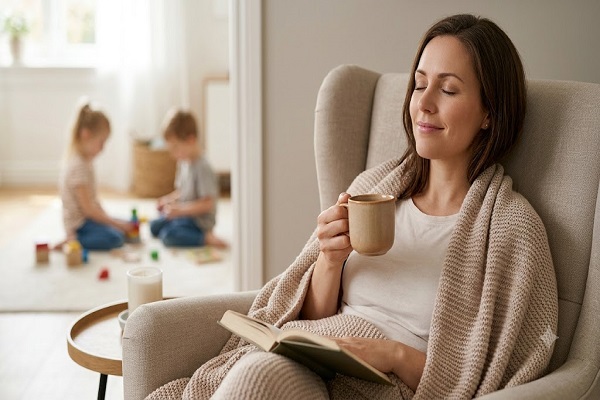
You do not need an entire room for relaxation. A comfortable chair, a small side table, good lighting, and a few personal items can create a dedicated corner for reading, listening to music, or simply taking a break.
Having one space associated with relaxation can make it easier to switch off after a busy day.
Focus on Function Before Decoration
Decor can make a home attractive, but comfort usually comes from functionality.
Before buying another decorative item, ask whether a purchase will make the room easier, more comfortable, or more enjoyable to use. Practical improvements often provide more long-term value.
Make Changes One at a Time
There is no need to transform your entire home in one weekend. Start with the room or area that causes the most inconvenience.
Make one small improvement, see how it affects your routine, and then move to the next area. This approach is easier on your budget and helps you make changes that genuinely suit your lifestyle.
Final Thoughts
A comfortable home is not necessarily the biggest or most expensive one. It is a space that works well for the people living in it.
Better lighting, improved organization, thoughtful furniture placement, cleaner airflow, and small practical upgrades can make everyday life noticeably easier. Start with simple changes and focus on the areas you use most. Over time, these small improvements can create a home that feels more comfortable, organized, and enjoyable.
.jpg)