Discover Tropical Agriculture Through Banana Farm Tourism
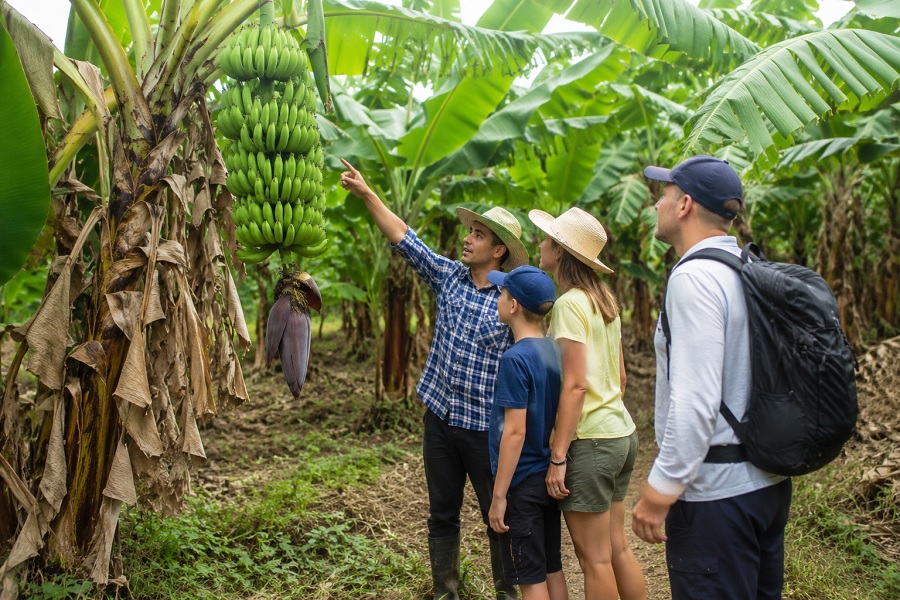
Banana Farm Tourism Experiences: Explore Tropical Agriculture and Local Food Culture
Banana Farm Tourism Experiences offer travelers a refreshing way to explore tropical agriculture, discover how bananas are grown, and experience the lifestyle of farming communities. From walking through banana plantations to tasting fresh fruit and learning traditional farming practices, these experiences combine nature, education, food, and rural tourism.
As travelers increasingly look for authentic experiences away from crowded tourist attractions, agricultural tourism has become an interesting option for families, couples, students, food enthusiasts, and nature lovers.
What Is Banana Farm Tourism?
Banana farm tourism involves visiting working banana plantations and learning about banana cultivation, harvesting, processing, and local food traditions. Depending on the destination, visitors may be able to walk through plantations, meet farmers, participate in guided activities, and taste freshly harvested bananas.
Some farms also offer farm stays, traditional meals, cooking demonstrations, fruit-tasting sessions, photography opportunities, and educational programs.
Why Visit a Banana Farm?
A banana plantation provides a unique opportunity to understand how an everyday fruit reaches the consumer. Visitors can see banana plants at different stages of growth and learn about soil preparation, irrigation, crop management, harvesting, and post-harvest handling.
The experience can also provide a closer connection with rural communities and local agricultural traditions.
Banana Plantation Tours
A guided plantation walk is one of the main attractions of banana farm tourism. Visitors can explore rows of banana plants while learning about the growing cycle.
A knowledgeable local guide may explain:
How banana plants grow
Different banana varieties
Plantation management
Irrigation methods
Soil requirements
Natural pest-management practices
Harvesting techniques
Post-harvest handling
Local uses of bananas
Walking through a green plantation can also provide an enjoyable nature experience.
Fresh Banana Tasting
Fresh fruit tasting is another highlight of a banana farm visit. Travelers may have the opportunity to taste locally grown varieties and compare differences in size, texture, aroma, and sweetness.
Depending on the region and season, farms may offer bananas in several varieties, including dessert and cooking types.
Visitors should follow the farm's harvesting and tasting rules rather than picking fruit without permission.
Banana-Based Food Experiences
Bananas are used in many different cuisines around the world. A farm tourism experience can introduce visitors to local banana-based dishes and snacks.
Possible culinary experiences include:
Banana bread
Banana chips
Banana pancakes
Banana fritters
Banana smoothies
Banana desserts
Banana-based traditional dishes
Banana leaf-wrapped foods
Banana flower preparations
Regional banana snacks
Cooking demonstrations can make the experience even more engaging, especially for families and food enthusiasts.
Learning About Sustainable Farming
Banana farm tourism can also introduce travelers to sustainable agriculture. Some farms use practices designed to conserve water, protect soil, reduce waste, and support biodiversity.
Visitors may learn about composting, organic farming methods, natural fertilizers, responsible irrigation, crop rotation, and environmentally conscious plantation management.
Not every banana farm uses the same agricultural methods, so travelers should ask individual farms about their practices.
Family-Friendly Banana Farm Experiences
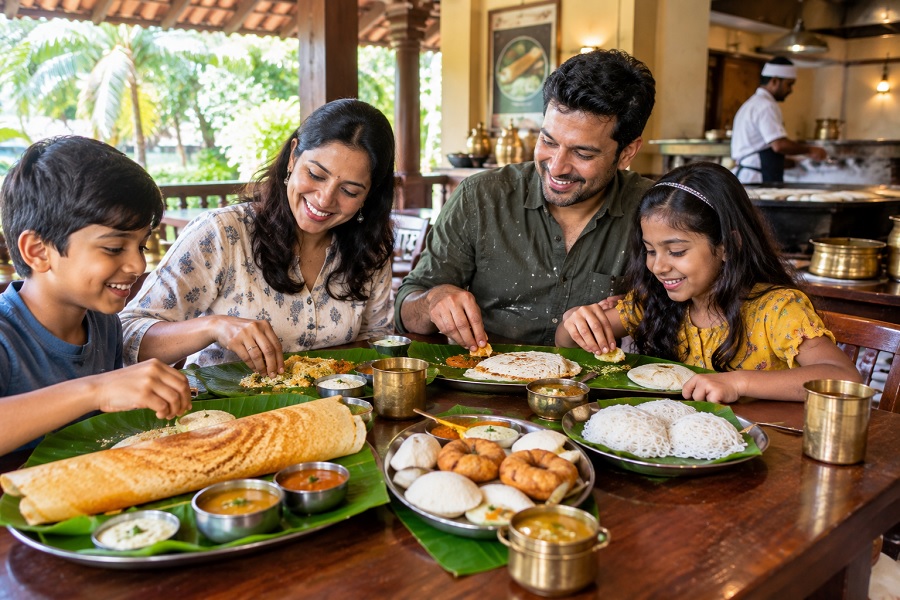
Banana farms can be educational destinations for families. Children can learn where food comes from while enjoying an outdoor environment.
Farm activities may include guided plantation walks, fruit tasting, simple agricultural demonstrations, photography, and educational games.
Parents should check whether a farm has child-friendly paths, shaded areas, toilets, food facilities, and appropriate safety arrangements before visiting.
Banana Farm Tourism for Food Lovers
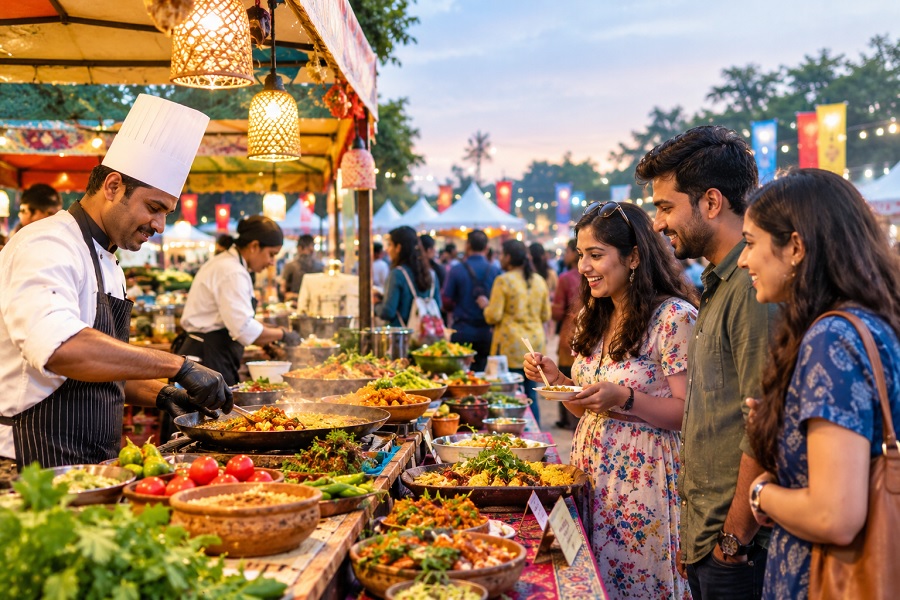
Food travelers can combine plantation visits with local culinary exploration. A banana farm may serve as the starting point for discovering regional recipes and traditional ingredients.
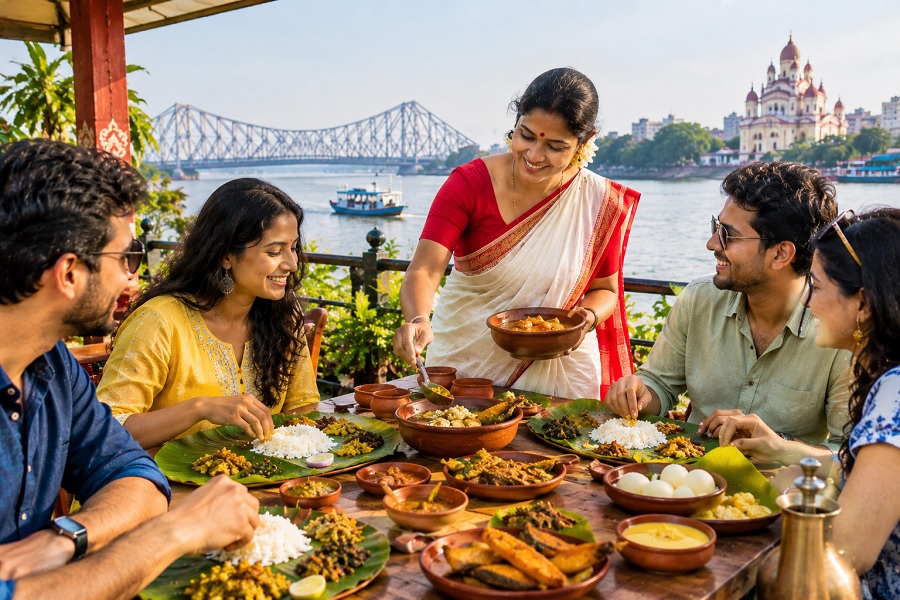
Travelers can learn how bananas, banana flowers, and banana leaves are incorporated into local cuisine. In some destinations, farm-to-table meals allow visitors to enjoy dishes prepared using locally grown ingredients.
Photography Opportunities
Banana plantations can provide attractive photography settings because of their lush green landscapes and distinctive large leaves.
Travelers can capture:
Plantation landscapes
Banana bunches
Farm workers during permitted activities
Traditional farming tools
Rural pathways
Banana flowers
Harvesting activities
Local food preparation
Farm-to-table meals
Family travel moments
Visitors should always ask permission before photographing farmers or workers.
Best Time for Banana Farm Visits
Bananas can be cultivated in suitable tropical and subtropical environments throughout much of the year, but the best time for a plantation visit depends on the location and farm schedule.
Before traveling, visitors should check the farm's opening hours, seasonal activities, weather conditions, harvest periods, and tour availability.
Morning visits can often be comfortable because temperatures may be lower than during the afternoon.
What to Carry
Travelers visiting a banana farm should consider carrying:
Comfortable walking shoes
Lightweight clothing
Hat or cap
Drinking water
Sunscreen
Insect repellent
Camera or smartphone
Rain protection when appropriate
Small backpack
Reusable water bottle
Closed footwear can be particularly useful because plantation paths may be muddy or uneven.
Responsible Banana Farm Tourism
Responsible tourism is important when visiting working farms. Travelers should respect farm rules, avoid damaging plants, stay on designated paths, and dispose of waste properly.
Visitors should not pick fruit, enter restricted areas, or interfere with agricultural activities unless the farm specifically allows it.
Buying locally produced food or farm products can also help support small agricultural businesses and rural communities.
Supporting Local Farmers
Banana farm tourism can create additional income opportunities for farming communities. Revenue from guided tours, farm stays, food experiences, workshops, and local product sales can complement traditional agricultural income.
When managed responsibly, farm tourism can encourage visitors to appreciate the work involved in producing food while creating stronger connections between travelers and rural communities.
Banana Farm Stays
Some agricultural destinations offer farm accommodation where visitors can stay overnight and experience rural life more closely.
A farm stay may include:
Plantation walks
Local meals
Sunrise or sunset views
Farming demonstrations
Cooking sessions
Rural cultural activities
Fruit tasting
Nature walks
Farm stays can be particularly appealing to travelers looking for slower and more immersive holidays.
Educational Value
Banana farm tourism can serve as an informal learning experience. Students and families can gain practical knowledge about agriculture, food production, environmental conservation, and rural livelihoods.
Educational tours can also help younger travelers understand the journey from farm to market.
Combining Banana Farms With Other Attractions
A banana plantation visit can easily be included in a broader rural tourism itinerary. Travelers can combine it with nearby villages, farmers' markets, waterfalls, nature trails, traditional food destinations, cultural attractions, and local handicraft centers.
This approach can turn a short farm visit into a complete countryside travel experience.
Future of Banana Farm Tourism
The future of banana farm tourism is closely connected with growing interest in experiential travel, sustainable agriculture, local food, and rural destinations.
Technology can also enhance farm tourism through digital booking systems, interactive educational displays, virtual farm tours, multilingual guides, and location-based travel information.
At the same time, maintaining authentic interactions with farmers and local communities will remain important.
Conclusion
Banana Farm Tourism Experiences provide travelers with an enjoyable opportunity to discover tropical agriculture, taste fresh produce, learn about local food traditions, and connect with rural communities. Whether it is a short plantation walk, a family educational tour, a farm-to-table meal, or an overnight farm stay, banana tourism can turn an ordinary agricultural landscape into a memorable travel experience.
With responsible planning and respect for local farming communities, banana farm tourism can benefit both visitors and destinations while encouraging greater appreciation for sustainable food production and rural culture.