Commodity Research- Daily Evening Track - 16-Mar-2026 by Kotak Securities
Bullion slips below $4,980 as rising oil prices and West Asia tensions dampen rate-cut expectations
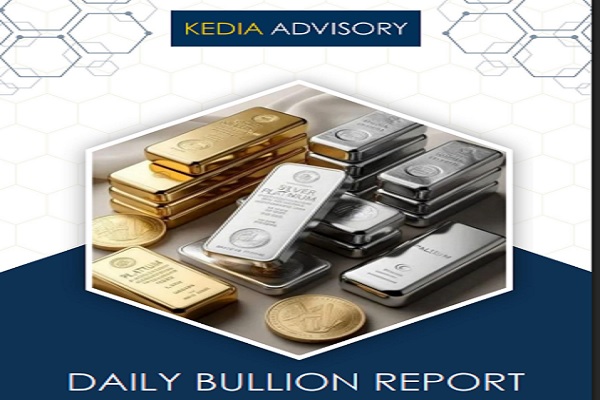
Spot gold slipped below $4,980/Oz, losing about 1% as investors assessed the inflationary implications of surging oil prices amid the escalating US–Israel–Iran conflict, now entering its third week. The metal extended its recent weakness after posting two consecutive weekly declines. Silver also remained under pressure, falling nearly 4% to around $78 per ounce and marking a fourth straight daily loss. Rising crude prices, with oil fluctuating above $100 per barrel, have intensified inflation concerns, reducing expectations for near-term policy easing by the Federal Reserve. Markets currently see virtually no chance of a rate cut at this week’s meeting, a dynamic that typically weighs on non-yielding assets such as precious metals. Meanwhile, disruptions to shipping through the Strait of Hormuz continue to amplify energy market volatility. In the near term, elevated energy prices and persistent inflation may limit upside in bullion. However, if geopolitical tensions prolong economic uncertainty and reinforce stagflation risks, gold’s role as a macro hedge could re-emerge as a dominant driver later in the year
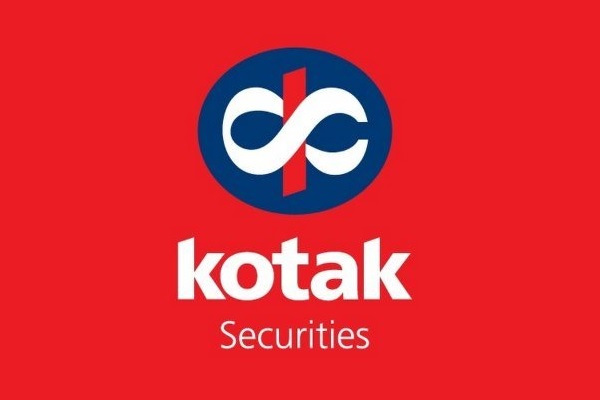
WTI crude oil traded above $99 per barrel on Monday as markets refocused on escalating supply risks in the West Asia. Tensions intensified after U.S. strikes near Kharg Island, the hub that handles roughly 90% of Iran’s crude exports, raising concerns about disruptions to flows through the Strait of Hormuz, one of the world’s most critical energy transit routes. The risk premium deepened after Iranian drones struck a key oil terminal in Fujairah Oil Terminal, a strategic outlet for the UAE’s Murban crude, although loading operations have since resumed. Meanwhile, the IEA announced a coordinated release of more than 400 million barrels of strategic reserves to stabilize markets and counter potential supply disruptions. Diplomatic uncertainty persists as Trump urged international cooperation to secure shipping routes while warning of further escalation. Crude markets remain highly sensitive to geopolitical developments around Hormuz. While emergency stock releases may temporarily cushion supply fears, sustained escalation could keep risk premiums elevated and maintain bullish pressure on oil prices in the near term.
Base metals traded lower, with lead, aluminium, and zinc declining more than 1%, while copper slipped about 0.5% to hover near $12,720 per ton. The broader weakness reflects persistent pressure from a stronger dollar and elevated U.S. Treasury yields, both of which continue to weigh on the metals complex. Market sentiment has also turned cautious as geopolitical tensions intensified after U.S. strikes on Iranian targets near Kharg Island, raising concerns over energy supply disruptions and driving oil prices higher. Meanwhile, recent data from National Bureau of Statistics of China showed a stronger-than-expected start to the year, with industrial production rising 6.3% and fixed-asset investment expanding 1.8%, suggesting improving momentum before geopolitical risks clouded the outlook. In the near term, profit-taking after the recent rally, coupled with geopolitical uncertainty and potential demand moderation, could keep base metals under pressure despite underlying supply risks.
U.S. natural gas futures slipped toward $3.10 per MMBtu, extending losses from a one-month high as a warmer spring outlook and record domestic output outweighed geopolitical supply concerns. Latest data from the U.S. Energy Information Administration showed a 38 Bcf storage withdrawal, below expectations of 42 Bcf, signaling that seasonal heating demand is fading with winter’s end. Although the Iran war has disrupted shipments through the Strait of Hormuz and halted operations at Qatar’s major LNG hub, the impact on U.S. prices remains muted due to ample domestic supply and LNG export terminals already running near full capacity. Fundamentally, the market remains well supplied, keeping near-term price risks tilted to the downside unless demand unexpectedly strengthens.
Please refer disclaimer at https://www.kotaksecurities.com/disclaimer
SEBI Registration No. INZ000200137